


Wydawcy
Katalog tematyczny
- Archeologia (109)
- Ekonomia, finanse, business (13704)
- Filozofia (1445)
- Historia (3040)
- Języki i językoznawstwo (2356)
- Lifestyle, hobby i rozrywka (475)
- Medycyna (9704)
- Nauki humanistyczne (4)
- Nauki o Ziemi i środowisku (2638)
- Nauki ścisłe (20412)
- Nauki społeczne (8486)
- Nauki techniczne (13450)
- Prawo (1696)
- Publikacje informacyjne i interdyscyplinarne (1288)
- Religia i wierzenia (917)
- Technika komputerowa (4067)
- Zdrowie, relacje międzyludzkie i rozwój osobisty (657)





Informacje szczegółowe o książce
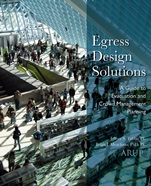
Egress Design Solutions: A Guide to Evacuation and Crowd Management Planning
ISBN 9780471719564
Autor: Jeffrey Tubbs, Brian Meacham
Wydawca: Wiley
Dostępność: 3-6 tygodni
Cena: 638,40 zł
Przed złożeniem zamówienia prosimy o kontakt mailowy celem potwierdzenia ceny.
ISBN13: |
9780471719564 |
ISBN10: |
0471719560 |
Autor: |
Jeffrey Tubbs, Brian Meacham |
Oprawa: |
Hardback |
Rok Wydania: |
2007-05-25 |
Ilość stron: |
544 |
Wymiary: |
240x203 |
Tematy: |
AM |
The definitive architectural resource on designing for egress, evacuation, and life safety Egress systems, in concert with evacuation plans and crowd management, form the fundamental basis of good life–safety design for emergency events, yet there are fewcomplete and comprehensive reference books covering the broad nature of this subject. This book fills this gap by providing a comprehensive review of egress design and analysis, covering egress fundamentals and strategies, performance solutions, human behavior, evacuation modeling, evacuation planning, and crowd management. The authors, both recognized experts in the field, present egress concepts that are both prescriptive and performance–based, accounting for human behavior in emergency conditions as well as a range of expected hazards. Contents include: A review of historic and recent tragic life–loss fire events An overview of prescriptive and performance–based U.S. building codes Practical design solutions for a wide range of occupancies Techniques for coordinating egress systems with other critical life safety systems
Foreword. Acknowledgments. Introduction. St. Lawrence University Laboratory Building. Dallas–Fort Worth International Airport. International Finance Center. Overview. Myths and Misconceptions. Summary. References. Part 1. Background. 1. Building Codes and Regulations. History and Overview of Building and Fire Codes in the United States. Model Codes. Scope of Building and Fire Codes. Application of Building and Fire Codes. Responsibilities. ICC Codes and Egress. NFPA Codes. Evolution to Performance–Based Codes. Looking to the Future. References. Recommended Reading. 2. Historic Events. Iroquois Theater, Chicago, Illinois, 1903. Triangle Shirtwaist Fire, New York, New York, 1911. Italian Hall Disaster, Calumet, Michigan, 1913. Rhythm Club, Natchez, Mississippi, 1940. Cocoanut Grove Nightclub Fire, Boston, Massachusetts, 1942. Ringling Brothers, Barnum & Bailey Circus Tent Fire, Hartford, Connecticut, 1944. Our Lady of Angels School Fire, Chicago, Illinois, 1958. Hartford Hospital Fire, Hartford, Connecticut, 1961. Beverly Hills Supper Club Fire, Southgate, Kentucky, 1977. The Who Concert, Cincinnati, Ohio, 1979. MGM Grand Fire, Las Vegas, Nevada, 1980. Dupont Plaza, San Juan, Puerto Rico, 1986. World Trade Center Bombing, New York, New York, 1993. World Trade Center Collapse, New York, New York, 2001. E2 Nightclub, Chicago, Illinois, 2003. The Station Nightclub Fire, West Warwick, Rhode Island, 2003. Cook County Administration Building, Chicago, Illinois, 2003. Summary. References. Recommended Reading. Part 2. Egress System Fundamentals 3. Egress Strategies. Egress System Goals and Objectives. General Egress Strategies. Designing for Occupants with Disabilities. Prescribed Performance. Emerging Egress Strategies. Performance–Based Approaches. Selecting and Evaluating Options. Summary. References. Recommended Reading. 4. Prescriptive Egress Concepts. Fundamentals. Occupant Load. Exit Access. Exit Components. Exit Discharge. Assembly Occupancies. Summary. References. Recommended Reading. 5. Supporting Systems. Systems Approach. Accessibility. Security. Control of Combustibles. Structural Integrity. Fire Rating. Construction Type. Fire Resistance. Compartmentation. Floors. Walls. Doors. Detection Systems. Occupant Notification. Suppression Systems. Smoke Management Systems. Back–Up Power. Evacuation Using Elevators. Types of Elevators. References. Recommended Reading. Part 3. Human Behavior and Performance Concepts. 6. Human Behavior Considerations for Egress System Design. People–Building–Event Interaction. Occupant Characterization. Occupant Reaction and Response in Emergency Situations. Human Behavior and Crowds. Using Occupant Risk Factors to Aid Egress System Design. Summary. References. Recommended Reading. 7. Performance Egress Concepts. Performance Egress Overview. Tenability Criteria. Hazards. Safety Factors and Uncertainties. Evacuation Time Calculation Overview. Limitations with Engineering Calculations. Designing for Elevator Evacuation. References. Recommended Reading. Part 4. Evacuation Planning and Design 8. Evacuation Planning and Crowd Management. Evacuation Planning Overview. Evacuation Plan Development. Typical Challenges with Evacuation Plans. Roles and Responsibilities during Incidents. Evacuation Drilling and Training. Crowd Management Planning. Summary. References. Recommended Reading. 9. Design Solutions. Airport Terminals. Air Traffic Control Towers. Arenas, Stadia, and Sports Facilities. Convention and Exhibit Centers. Courthouses. Detention and Correctional Facilities. Day–Care, Adult–Care, and Assisted–Living Facilities. Hazardous Occupancies. Health–Care Facilities. Historic and Existing Buildings. Museums and Libraries. Performing Arts Centers. Rail Stations and Platforms. Rail and Road Tunnels. Retail Facilities. Tall Buildings. Summary. References. Recommended Reading. Appendix. About the Authors. Index.
Jeffrey S. Tubbs , PE, is an associate principal with the global engineering and consulting firm Arup, and is staff group leader of Arup′s Westborough, Massachusetts, office. Tubbs is a registered fire protection engineer in seven states, and has extensive experience developing prescriptive and performance–based code fire protection, life safety, and egress strategies for projects in the United States and internationally. In addition to being an adjunct instructor at the Center for Fire Safety Studies at Worcester Polytechnic Institute, Tubbs has also contributed his expertise to various building design texts and led the Arup contributions to the National Construction Safety Team investigation of the February 20, 2002, fire at The Station nightclub in West Warwick, Rhode Island. Brian J. Meacham , PhD, PE, is a principal with Arup, leading the firm′s Global Risk Consulting Business. A licensed engineer and a fellow of the Society of Fire Protection Engineers, Meacham is widely regarded as an expert in risk–informed performance–based approaches to building regulation and fire protection design. He holds appointments of adjunct associate professor in fire protection engineering at Worcester Polytechnic Institute, and research associate professor and director, Center for Risk and Security, Clark University. Meacham is the editor of the ICC book Performance–Based Building Design Concepts: A Companion to the ICC Performance Code and lead editor of the NFPA book Extreme Event Mitigation in Buildings: Analysis and Design.
Koszyk
Książek w koszyku: 0 szt.
Wartość zakupów: 0,00 zł
Informacje


Kontakt
Gambit
Centrum Oprogramowania
i Szkoleń Sp. z o.o.
Al. Pokoju 29b/22-24
31-564 Kraków
Siedziba Księgarni
ul. Kordylewskiego 1
31-542 Kraków
+48 12 410 5991
+48 12 410 5987
+48 12 410 5989
Subskrypcje
Administratorem danych osobowych jest firma Gambit COiS Sp. z o.o. Na podany adres będzie wysyłany wyłącznie biuletyn informacyjny.
Autoryzacja płatności

Informacje na temat autoryzacji płatności poprzez PayU.

© Copyright 2012: GAMBIT COiS Sp. z o.o. Wszelkie prawa zastrzeżone.
Projekt i wykonanie: Alchemia Studio Reklamy