


Wydawcy
Katalog tematyczny
- Archeologia (109)
- Ekonomia, finanse, business (13704)
- Filozofia (1445)
- Historia (3040)
- Języki i językoznawstwo (2356)
- Lifestyle, hobby i rozrywka (475)
- Medycyna (9704)
- Nauki humanistyczne (4)
- Nauki o Ziemi i środowisku (2638)
- Nauki ścisłe (20412)
- Astronomia (294)
- Biologia (5119)
- Chemia (6540)
- Chemia analityczna (361)
- Chemia fizyczna (346)
- Chemia nieorganiczna (137)
- Chemia organiczna (535)
- Krystalografia (27)
- Minerologia (46)
- Fizyka (3309)
- Matematyka (4574)
- Nauki ścisłe, ogólnie (503)
- Nauki społeczne (8486)
- Nauki techniczne (13450)
- Prawo (1696)
- Publikacje informacyjne i interdyscyplinarne (1288)
- Religia i wierzenia (917)
- Technika komputerowa (4067)
- Zdrowie, relacje międzyludzkie i rozwój osobisty (657)





Informacje szczegółowe o książce
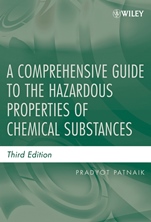
A Comprehensive Guide to the Hazardous Properties of Chemical Substances
ISBN 9780471714583
Autor: Pradyot Patnaik
Wydawca: Wiley
Dostępność: 3-6 tygodni
Cena: 1 063,65 zł
Przed złożeniem zamówienia prosimy o kontakt mailowy celem potwierdzenia ceny.
ISBN13: |
9780471714583 |
ISBN10: |
0471714585 |
Autor: |
Pradyot Patnaik |
Oprawa: |
Hardback |
Rok Wydania: |
2007-06-12 |
Numer Wydania: |
3rd Edition |
Ilość stron: |
1084 |
Wymiary: |
263x186 |
Tematy: |
PN |
The definitive guide to the hazardous properties of chemical compounds
Correlating chemical structure with toxicity to humans and the environment, and the chemical structure of compounds to their hazardous properties, A Comprehensive Guide to the Hazardous Properties of Chemical Substances, Third Edition allows users to assess the toxicity of a substance even when no experimental data exists. Thus, it bridges the gap between hazardous materials and chemistry. Extensively updated and expanded, this reference:
Examines organics, metals and inorganics, industrial solvents, common gases, particulates, explosives, and radioactive substances, covering everything from toxicity and carcinogenicity to flammability and explosive reactivity to handling and disposal practices
Arranges hazardous chemical substances according to their chemical structures and functional groups for easy reference
Includes updated information on the toxic, flammable, and explosive properties of chemical substances
Covers additional metals in the chapters on toxic and reactive metals
Updates the threshold exposure limits in the workplace air for a number of substances
Features the latest information on industrial solvents and toxic and flammable gases
Includes numerous tables, formulas, and a glossary for quick reference
Because it provides information that enables those with a chemistry background to perform assessments without prior data, this comprehensive reference appeals to chemists, chemical engineers, toxicologists, and forensic scientists, as well as industrial hygienists, occupational physicians, Hazmat professionals, and others in related fields.
Spis treści:
Preface.
Preface to the First Edition.
Acknowledgments.
PART A.
I. Introduction.
II. Glossary.
III. Physical Properties of Compounds and Hazardousw Characteristics.
IV. Toxic Pro
perties of Chemical Substances.
V. Target Organs and Toxicology.
VI. Cancer–Causing Chemicals.
VII. Teratogenic Substances.
VIII. Habit–Forming Addictive Substances.
IX. Flammable and Combustible Properties of Chemical Substances.
X. Explosive Characteristics of Chemical Substances.
XI. Peroxide–Forming Substance.
XII. Chemical Warfare Agents.
XIII. Biological Warfare Agents and Bioterrorism.
PART B.
Chapter 1. Acids, Carboxylic.
Chapter 2. Acids, Mineral.
Chapter 3. Acids, Peroxy.
Chapter 4. Alcohols.
Chapter 5. Aldehydes.
Chapter 6. Alkalies.
Chapter 7. Alkaloids.
Chapter 8. Amines, Aliphatic.
Chapter 9. Amines, Aromatic.
Chapter 10. Asbestos.
Chapter 11. Azo Dyes.
Chapter 12. Chlorohydrins.
Chapter 13. Cyanides, Organic (Nitriles).
Chapter 14. Cyanides, Inorganic.
Chapter 15. Dioxin and Related Compounds.
Chapter 16. Epoxy Compounds.
Chapter 17. Esters.
Chapter 18. Ethers.
Chapter 19. Gases, Common Toxic and Flammable.
Chapter 20. Glycol Ethers.
Chapter 21. Haloethers.
Chapter 22. Halogenated Hydrocarbons.
Chapter 23. Halogen, Halogen Oxides, and Interhalgen Compounds.
Chapter 24. Heterocyclic Compounds.
Chapter 25. Hydrocarbons, Aliphatic and Alicyclic.
Chapter 26. Hydrocarbons, Aromatic.
Chapter 27. Industrial Solvents.
Chapter 28. Isocyanates, Organic.
Chapter 29. Ketones.
Chapter 30. Metal Acetylides and Fulminates.
Chapter 31. Metal.
Chapter 32. Metal Alkyls.
Chapter 33. Metal Azides.
Chapter 34. Metal Carbonyls.
Chapter 35. Metal Hydrides.
Chapter 36. Metals, Reactive.
Chapter 37. Metals, Toxic.
Chapter 38. Mustard Gas and Sulfur Mustards.
Chapter 39. Nerve Gases.
Chapter 40. Nitro Explosives.
Chapter 41. Oxidizers.
Chapter 42. Particulates.
Chapter 43. Peroxides, Organic.
Chapter 44. Pesticides and Herbicides: Classification, Structure, and Analysis.
Chapter 45.
Pesticides, Carbamate.
Chapter 46. Pesticides, Organochlorine.
Chapter 47. Pesticides, Organophosphorus.
Chapter 48. Herbicides, Chlorophenoxy Acid.
Chapter 49. Herbicides, Triazine.
Chapter 50. Herbicides, Urea.
Chapter 51. Phenols.
Chapter 52. Phosphorus and Its Compounds.
Chapter 53. Polychlorinated Biphenyls.
Chapter 54. Radon and Radioactive Substances.
Chapter 55. Sulfate Esters.
Chapter 56. Sulfur–Containing Organics (Miscellaneous).
Chapter 57. Miscellaneous Substances.
Appendix A. Federal Regulations.
Appendix B. IARC List of Carcinogenic Agents (Update 2006)/
Appendix C. NTP List of Catcinogens (2004) 11th Annual Report.
Chemical Substances – CAS Registry Number Index.
CAS Registry Number – Chemical Substances Index.
Subject Index.
Nota biograficzna:
Pradyot Patnaik, PhD, is the Director of the Environmental Chemistry Laboratory of the Interstate Environmental Commission at Staten Island, New York, and a research investigator at the Center for Environmental Science of the City University of New York at the College of Staten Island. He is also an Adjunct Professor at the New Jersey Institute of Technology at Newark and at the Community College of Philadelphia. Dr. Patnaik is the author of Handbook of Environmental Analysis, Handbook of Inorganic Chemicals, and Deans′ Analytical Chemistry Handbook, Second Edition.
Okładka tylna:
The definitive guide to the hazardous properties of chemical compounds
Correlating chemical structure with toxicity to humans and the environment, and the chemical structure of compounds to their hazardous properties, A Comprehensive Guide to the Hazardous Properties of Chemical Substances, Third Edition allows users to assess the toxicity of a substance even when no experimental data exists. Thus, it bridges the gap between hazardous materials and chemistry. Extensively updated and expanded, this re
ference:
Examines organics, metals and inorganics, industrial solvents, common gases, particulates, explosives, and radioactive substances, covering everything from toxicity and carcinogenicity to flammability and explosive reactivity to handling and disposal practices
Arranges hazardous chemical substances according to their chemical structures and functional groups for easy reference
Includes updated information on the toxic, flammable, and explosive properties of chemical substances
Covers additional metals in the chapters on toxic and reactive metals
Updates the threshold exposure limits in the workplace air for a number of substances
Features the latest information on industrial solvents and toxic and flammable gases
Includes numerous tables, formulas, and a glossary for quick reference
Because it provides information that enables those with a chemistry background to perform assessments without prior data, this comprehensive reference appeals to chemists, chemical engineers, toxicologists, and forensic scientists, as well as industrial hygienists, occupational physicians, Hazmat professionals, and others in related fields.
Koszyk
Książek w koszyku: 0 szt.
Wartość zakupów: 0,00 zł
Informacje


Kontakt
Gambit
Centrum Oprogramowania
i Szkoleń Sp. z o.o.
Al. Pokoju 29b/22-24
31-564 Kraków
Siedziba Księgarni
ul. Kordylewskiego 1
31-542 Kraków
+48 12 410 5991
+48 12 410 5987
+48 12 410 5989
Subskrypcje
Administratorem danych osobowych jest firma Gambit COiS Sp. z o.o. Na podany adres będzie wysyłany wyłącznie biuletyn informacyjny.
Autoryzacja płatności

Informacje na temat autoryzacji płatności poprzez PayU.

© Copyright 2012: GAMBIT COiS Sp. z o.o. Wszelkie prawa zastrzeżone.
Projekt i wykonanie: Alchemia Studio Reklamy