


Wydawcy
Katalog tematyczny
- Archeologia (109)
- Ekonomia, finanse, business (13704)
- Filozofia (1445)
- Historia (3040)
- Języki i językoznawstwo (2356)
- Lifestyle, hobby i rozrywka (475)
- Medycyna (9704)
- Nauki humanistyczne (4)
- Nauki o Ziemi i środowisku (2638)
- Nauki ścisłe (20412)
- Nauki społeczne (8486)
- Nauki techniczne (13450)
- Prawo (1696)
- Publikacje informacyjne i interdyscyplinarne (1288)
- Religia i wierzenia (917)
- Technika komputerowa (4067)
- Zdrowie, relacje międzyludzkie i rozwój osobisty (657)





Informacje szczegółowe o książce
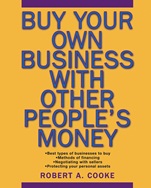
Buy Your Own Business With Other Peoples Money
ISBN 9780471694984
Autor: Robert A. Cooke
Wydawca: Wiley
Dostępność: 3-6 tygodni
Cena: 115,50 zł
Przed złożeniem zamówienia prosimy o kontakt mailowy celem potwierdzenia ceny.
ISBN13: |
9780471694984 |
ISBN10: |
0471694983 |
Autor: |
Robert A. Cooke |
Oprawa: |
Paperback |
Rok Wydania: |
2005-05-20 |
Ilość stron: |
240 |
Wymiary: |
230x191 |
Tematy: |
KM |
You don′t have to be rich to buy your own business!
Millions of Americans dream of owning their own business. But starting a new business from scratch means a big investment and accepting a lot of risk. Often, it makes more sense to buy an existing business than to build one from the ground up. In fact, with flexible financing options and a willing seller, you can buy an established business with little or none of your own cash—and start living your entrepreneurial dream today.
Buy Your Own Business with Other People′s Money presents a wealth of creative financing possibilities for would–be entrepreneurs just like you. It helps cut through the confusion and gives you the real deal on how much a business is really worth, how much cash you′ll need to buy it, and where to find that cash. You′ll even learn how to use seller financing, so that sellers actually lend you the money to buy their business! This complete guide to buying a business also covers:The pros and cons of owning your own businessPicking the right kind of business for youDetermining fair value for a business and its assetsBorrowing from banks, other institutions, and relativesNegotiating the best price with the sellerDeciding on a proprietorship, partnership, LLC, or corporationWorking with one or more partnersPlus: Information on business plans, SBA loan programs, and official forms
You don′t have to be a millionaire to leave the nine–to–five life behind. Owning your own business might seem like a dream—but you can make it a reality with the unbeatable advice you′ll find in Buy Your Own Business with Other People′s Money.
Spis treści:
INTRODUCTION.
Chapter 1: The Good and the Bad of Owning Your Own Business.
The Fictions and the Facts about Owning a Business.
Fiction Number One: No Boss.
Fiction
Number Two: Short Work Hours.
Fiction Number Three: You Will Have Lots of Money.
Fiction Number Four: You Will Enjoy the Prestige of Owning a Local Business.
Do the Advantages of Entrepreneurship Outweigh the Disadvantages?
Decide on the Type of Business That Is Best for You.
Determine Your Preference or Need as to Geographic Area.
Consider the Hours of Operation.
Experience and Knowledge Are Important.
Pick a Business You Enjoy.
Creating Your Experience.
Chapter 2: How Much to Pay (Borrow) to Buy a Business.
How Much Is the Seller Asking?
What Do Similar Businesses Sell For?
What Is the Value of the Business’s Assets?
Value the Assets at Their Book Value.
The Book Value of Equipment.
The Book Value of Accounts Receivable.
Inventory.
Patents and Copyrights.
The Book Value of Other Assets.
The Asset Called Goodwill.
The Capitalization of Earnings.
How to Determine the Real Net Income of a Business.
Determine the Price of a Business Based on Its Earnings (Income).
Capitalization of Earnings and Return on Investment.
The Sales Multiplier.
Third–Party Information.
Solicit Information from Employees of the Business.
Check the Bank Statements.
When Real Estate Is Part of the Business.
In Summary, the Eight Methods of Valuing a Business.
Chapter 3: Sources of Money for Your Business.
Borrow the Purchase Price from the Seller.
The “Business for Sale” Ads.
The Seller’s Motivation to Sell.
Enticing the Business Owner to Sell to You.
Find Cash Inside the Business.
The Equipment Owned by the Business.
Intangible Assets.
Accounts Receivable.
Excess Inventory.
Actual Cash in the Business.
Personal Assets That Can Generate Cash.
Obtaining Money from Commercial Banks.
Choose a Bank That Is Small–Business Oriented.
Have the Requisite Experience.
Buy a Business That Has
Loyal Customers or Clients.
Buy a Business That Is in the Right Location.
Prepare Projections of Income and Expenses of the Business.
Your Presentation to the Bank.
Loans from Suppliers.
The Shortcut—Buy Out Your Boss Using His or Her Money.
Buy a Franchise, but Not with the Franchisor’s Money.
Friends and Relatives as a Source of Borrowed Funds.
The Government—The Small Business Administration (SBA).
To Summarize.
Chapter 4: Do You Want Partners?
Why You Might Have One or More Partners.
The Partner Has Money.
The Partner Has Expertise That You Lack.
The Partner Has Contacts.
The Partner’s Personality Complements Yours.
The Seller of the Business Can Be Your Temporary Partner.
The Part–Time Family Business Has Grown Up.
Your Down–and–Out Relative Needs a Job.
You Want to Include Your Best Friend in Your Deal.
People Who May Help You Find Potential Partners.
Stay Out of Trouble with the Government(s).
Companies in the Business of Being a Partner.
Venture Capitalist.
Small Business Investment Company (SBIC).
The Form That Your Partnership Should Use.
The Business Form Choices.
General Partnership.
Limited Liability Company (LLC).
Corporation.
What If You Go It Alone, without a Partner?
More Information on Forms of Doing Business.
Chapter 5: Technicalities of Buying a Business.
Buy Just Certain Assets of the Business.
Cash.
Accounts Receivable from Customers.
Other Accounts Receivable.
Inventory.
Equipment.
Bulk Sales Law.
Assume the Liabilities of the Business When You Buy the Assets?
The Seller Takes on Risks, Too.
Using the Business Debts in Your Negotiation.
Buy the Business as One Package—A Corporation.
APPENDIX A: The Business Plan.
What Is a Business Plan?
Why Every Business Needs a Business Plan.
What Is the Format of a Business Plan
?
Using Professional Assistance in Preparing a Business Plan.
Help in Reading This Sample Business Plan.
APPENDIX B: Finding Investors and Navigating the Regulations.
Securities and Exchange Commission Brochure.
Active Capital—Frequently Asked Questions.
What Is Active Capital?
Who Needs Active Capital?
Who Manages Active Capital?
How Is Active Capital Different from Other Internet–Based Investment Programs?
Can Any Investor Enroll with Active Capital?
Can Any Entrepreneur Enroll with Active Capital?
How Much Does It Cost to Enroll with Active Capital?
How Do Active Capital Fees Compare to “Go It Alone” Costs?
How Much Capital Can Be Raised Using Active Capital?
How Much Does Active Capital Itself Lend or Invest?
Do I Need a Lawyer to List on Active Capital?
If I Fill Out My Form but Do Not Post It Right Away, Do I Need to Sign Up Again?
After I Have Filled Out All My Forms, May I Change My Answers?
Must I Notify Active Capital After I Have Made a Deal?
Can I Use Active Capital If I Am a Canadian or Other Non–U.S. Company?
Can I Get Other Forms of Non–Equity Financing through Active Capital?
How Do I Learn When Potential Investors Read My Plan?
How Many Investors May Review My Plan?
Do All Investors Demand to Play a Role in Each Company?
How Can Lawyers or Accountants or Consultants Register on Active Capital?
Can I Register on Active Capital if I Have Filed for a Public Stock Offering with the SEC or Have Not “Blue Skyed” in Every State in Which I Am Seeking Investment?
State Securities Regulations Administrators.
APPENDIX C: Small Business Administration Loan Programs.
Basic 7(a) Loan Program.
What SBA Seeks in a Loan Application.
Eligibility Criteria.
Small Business Size Standards.
Eligible Businesses.
Business Types and Applicants with Additional Considerations.
Ineligible Businesses
Koszyk
Książek w koszyku: 0 szt.
Wartość zakupów: 0,00 zł
Informacje


Kontakt
Gambit
Centrum Oprogramowania
i Szkoleń Sp. z o.o.
Al. Pokoju 29b/22-24
31-564 Kraków
Siedziba Księgarni
ul. Kordylewskiego 1
31-542 Kraków
+48 12 410 5991
+48 12 410 5987
+48 12 410 5989
Subskrypcje
Administratorem danych osobowych jest firma Gambit COiS Sp. z o.o. Na podany adres będzie wysyłany wyłącznie biuletyn informacyjny.
Autoryzacja płatności

Informacje na temat autoryzacji płatności poprzez PayU.

© Copyright 2012: GAMBIT COiS Sp. z o.o. Wszelkie prawa zastrzeżone.
Projekt i wykonanie: Alchemia Studio Reklamy