


Wydawcy
Katalog tematyczny
- Archeologia (109)
- Ekonomia, finanse, business (13704)
- Filozofia (1445)
- Historia (3040)
- Języki i językoznawstwo (2356)
- Lifestyle, hobby i rozrywka (475)
- Medycyna (9704)
- Nauki humanistyczne (4)
- Nauki o Ziemi i środowisku (2638)
- Nauki ścisłe (20412)
- Nauki społeczne (8486)
- Nauki techniczne (13450)
- Budownictwo lądowe (1045)
- Chemia przemysłowa (2258)
- Elektronika i telekomunikacja (3287)
- Energetyka (1122)
- Inne nauki stosowane (363)
- Inżynieria biochemiczna (507)
- Inżynieria transportu (232)
- Mechanika i materiały (3316)
- Nauka o środowisku (321)
- Rolnictwo (507)
- Technika, ogólnie (475)
- Prawo (1696)
- Publikacje informacyjne i interdyscyplinarne (1288)
- Religia i wierzenia (917)
- Technika komputerowa (4067)
- Zdrowie, relacje międzyludzkie i rozwój osobisty (657)





Informacje szczegółowe o książce
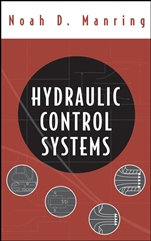
Hydraulic Control Systems
ISBN 9780471693116
Autor: Noah D. Manring
Wydawca: Wiley
Dostępność: 3-6 tygodni
Cena: 773,85 zł
Przed złożeniem zamówienia prosimy o kontakt mailowy celem potwierdzenia ceny.
ISBN13: |
9780471693116 |
ISBN10: |
0471693111 |
Autor: |
Noah D. Manring |
Oprawa: |
Hardback |
Rok Wydania: |
2005-05-24 |
Ilość stron: |
464 |
Wymiary: |
237x162 |
Tematy: |
TG |
A unique resource that demystifies the physical basics of hydraulic systems
Hydraulic Control Systems offers students and professionals a reliable, complete volume of the most up–to–date hows and whys of today′s hydraulic control system fundamentals. Complete with insightful industry examples, it features the latest coverage of modeling and control systems with a widely accepted approach to systems design.
Hydraulic Control Systems is a powerful tool for developing a solid understanding of hydraulic control systems that will serve the practicing engineer in the field. Throughout the book, illustrative case studies highlight important topics and demonstrate how equations can be implemented and used in the real world.
Featuring exercise problems at the end of every chapter, Hydraulic Control Systems presents:A useful review of fluid mechanics and system dynamicsThorough analysis of transient fluid flow forces within valvesDiscussions of flow ripple for both gear pumps and axial piston pumpsUpdated analysis of the pump control problems associated with swash plate type machinesA successful methodology for hydraulic system design—starting from the load point of the system and working backward to the ultimate power sourceReduced–order models and PID controllers showing control objectives of position, velocity, and effort
Spis treści:
Preface.
Introduction.
I. FUNDAMENTALS.
1 Fluid Properties.
1.1 Introduction.
1.2 Fluid Mass Density.
1.3 Fluid Bulk Modulus.
1.4 Thermal Fluid Properties.
1.5 Fluid Viscosity.
1.6 Vapor Pressure.
1.7 Chemical Properties.
1.8 Fluid Types and Selection.
1.9 Conclusion.
1.10 References.
1.11 Homework Problems.
2 Fluid Mechanics.
2.1 Introduction.
2.2 Governing Equations.
2.3 Fluid Flow.
2.4 Pressure Losses.
2.5 Pressure Transients.
2.6 Hydraulic E
nergy and Power.
2.7 Lubrication Theory.
2.8 Conclusion.
2.9 References.
2.10 Homework Problems.
3 Dynamic Systems and Controls.
3.1 Introduction.
3.2 Modeling.
3.3 Linearization.
3.4 Dynamic Behavior.
3.5 State–Space Analysis.
3.6 Block Diagrams and the Laplace Transform.
3.7 Stability.
3.8 Compensation.
3.9 Conclusion.
3.10 References.
3.11 Homework Problems.
II HYDRAULIC COMPONENTS.
4 Hydraulic Control Valves.
4.1 Introduction.
4.2 Valve Flow Coefficients.
4.3 Two–Way Spool Valves.
4.4 Three–Way Spool Valves.
4.5 Four–Way Spool Valves.
4.6 Poppet Valves.
4.7 Flapper Nozzle Valves.
4.8 Conclusion.
4.9 References.
4.10 Homework Problems.
5 Hydraulic Pumps.
5.1 Introduction.
5.2 Pump Efficiency.
5.3 Gear Pumps.
5.4 Axial–Piston Swash–Plate Pumps.
5.5 Conclusion.
5.6 References.
5.7 Homework Problems.
6 Hydraulic Actuators.
6.1 Introduction.
6.2 Actuator Types.
6.3 Linear Actuators.
6.4 Rotary Actuators.
6.5 Conclusion.
6.6 References.
6.7 Homework Problems.
III HYDRAULIC CONTROL SYSTEMS.
7 Valve–Controlled Hydraulic Systems.
7.1 Introduction.
7.2 Four–Way Valve Control of a Linear Actuator.
7.3 Three–Way Valve Control of a Linear Actuator.
7.4 Four–Way Valve Control of a Rotary Actuator.
7.5 Conclusion.
7.6 References.
7.7 Homework Problems.
8 Pump–Controlled Hydraulic Systems.
8.1 Introduction.
8.2 Fixed–Displacement Pump Control of a Linear Actuator.
8.3 Variable–Displacement Pump Control of a Rotary Actuator.
8.4 Conclusion.
8.5 References.
8.6 Homework Problems.
INDEX.
Nota biograficzna:
NOAH D. MANRING is James C. Dowell Associate Professor and Director of Graduate Studies in the Mechanical and Aerospace Engineering Department at Universit
y of Missouri–Columbia (UMC). Before joining the faculty at UMC, he worked for eight years in the off–highway mobile equipment industry. He holds ten U.S. patents for innovations in the field of fluid power. As a professor, he has received research funding from Caterpillar, Inc., Festo Corp., and the National Fluid Power Association, among others, as well as the U.S. Department of Education, the National Science Foundation, and various private donors. He currently serves as an associate editor of the International Journal of Fluid Power and the Journal of Dynamic Systems, Measurement, and Control. He has done consulting work for several industrial firms including Moog Inc., FMC Wyoming Corp., Dennison Hydraulics, and Parker Hannifin.
Okładka tylna:
A unique resource that demystifies the physical basics of hydraulic systems
Hydraulic Control Systems offers students and professionals a reliable, complete volume of the most up–to–date hows and whys of today′s hydraulic control system fundamentals. Complete with insightful industry examples, it features the latest coverage of modeling and control systems with a widely accepted approach to systems design.
Hydraulic Control Systems is a powerful tool for developing a solid understanding of hydraulic control systems that will serve the practicing engineer in the field. Throughout the book, illustrative case studies highlight important topics and demonstrate how equations can be implemented and used in the real world.
Featuring exercise problems at the end of every chapter, Hydraulic Control Systems presents:A useful review of fluid mechanics and system dynamicsThorough analysis of transient fluid flow forces within valvesDiscussions of flow ripple for both gear pumps and axial piston pumpsUpdated analysis of the pump control problems associated with swash plate type machinesA successful methodology for hydraulic system
design—starting from the load point of the system and working backward to the ultimate power sourceReduced–order models and PID controllers showing control objectives of position, velocity, and effort
Koszyk
Książek w koszyku: 0 szt.
Wartość zakupów: 0,00 zł
Informacje


Kontakt
Gambit
Centrum Oprogramowania
i Szkoleń Sp. z o.o.
Al. Pokoju 29b/22-24
31-564 Kraków
Siedziba Księgarni
ul. Kordylewskiego 1
31-542 Kraków
+48 12 410 5991
+48 12 410 5987
+48 12 410 5989
Subskrypcje
Administratorem danych osobowych jest firma Gambit COiS Sp. z o.o. Na podany adres będzie wysyłany wyłącznie biuletyn informacyjny.
Autoryzacja płatności

Informacje na temat autoryzacji płatności poprzez PayU.

© Copyright 2012: GAMBIT COiS Sp. z o.o. Wszelkie prawa zastrzeżone.
Projekt i wykonanie: Alchemia Studio Reklamy