


Wydawcy
Katalog tematyczny
- Archeologia (109)
- Ekonomia, finanse, business (13704)
- Filozofia (1445)
- Historia (3040)
- Języki i językoznawstwo (2356)
- Lifestyle, hobby i rozrywka (475)
- Medycyna (9704)
- Nauki humanistyczne (4)
- Nauki o Ziemi i środowisku (2638)
- Nauki ścisłe (20412)
- Nauki społeczne (8486)
- Nauki techniczne (13450)
- Prawo (1696)
- Publikacje informacyjne i interdyscyplinarne (1288)
- Religia i wierzenia (917)
- Technika komputerowa (4067)
- Zdrowie, relacje międzyludzkie i rozwój osobisty (657)





Informacje szczegółowe o książce
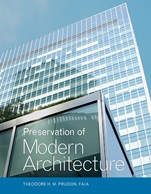
Preservation of Modern Architecture
ISBN 9780471662945
Autor: Theodore H. M. Prudon
Wydawca: Wiley
Dostępność: 3-6 tygodni
Cena: 584,85 zł
Przed złożeniem zamówienia prosimy o kontakt mailowy celem potwierdzenia ceny.
ISBN13: |
9780471662945 |
ISBN10: |
0471662941 |
Autor: |
Theodore H. M. Prudon |
Oprawa: |
Hardback |
Rok Wydania: |
2008-05-20 |
Ilość stron: |
960 |
Wymiary: |
289x217 |
Tematy: |
AM |
An architect′s guide to the preservation of modern architecture filled with illustrative case studies Modern architecture, built from approximately the 1920s to the 1970s, defined the twentieth century. Now, as works of modern architecture face a fate ranging from deterioration to functional obsolescence, the unique challenges of saving these buildings are evolving preservation practice. How does one preserve the design intent and character of a modern building while using new materials and advanced technologies not available when the building was constructed? Author Theodore Prudon answers that question in this comprehensive professional reference for architects and preservation professionals on the preservation of twentieth–century modern architecture. Preservation of Modern Architecture is divided into two parts that comprehensively cover both theory and practice, including the latest building materials and technology: Part One includes an introduction to the topic, and explores evolving preservation philosophies and standards as well as preservation issues unique to modern materials and systems. Part One also guides you through the investigation and assessment of modern buildings and structures. Part Two is filled with case studies of preservation projects throughout the United States, Europe, and Australia, including accompanying photographs and illustrations. Projects range from single–family residences to performing arts centers, schools, airport terminals, and industrial complexes, giving the reader a full range of both the challenges and techniques involved in preserving modern structures, small and large.
PART I 1. Preserving Modern Architecture: The Beginning 2. Philosophical Issues Affecting Preservation and Design 3. Evolving Preservation Philosophies and Standards 4. Preservation Issues for Modern Materials and Systems 5. Preserving Modern Architecture: What, Why, Where and How 6. Investigation and Assessment of Modern Buildings and Structures PART II–– Building Typologies: Case Studies 7. Pavilions 1. German Pavilion, Barcelona, Spain 2. Aluminaire 8. Residences 1. Single family Villa Savoye, Poissy, France Gropius House, Lincoln, MA Farnsworth House, Plano, IL 2. Suburban Developments Greenbelt, MD Levittown, Long Island, NY Mar Vista, Los Angeles, CA 3. Multi family Chatham Towers, New York, NY Peabody Terrace, Cambridge, MA Hilliard Houses, Chicago, IL 9. Prefabrication 1. Cemesto 2. Lustron 10. Schools 1. Open Air School, Amsterdam, The Netherlands 2. Crow Island, Winnetka, Illinois, USA 3. Munkegård Elementary School, Søborg, Denmark 11. Performing Arts Centers 1. Royal National Theatre (London, England) 2. Lincoln Center, New York, NY 3. Sydney Opera House, Sydney, Australia 12. Hospitality 1. Caribe Hotel, Puerto Rico 2. Royal SAS (now the Radisson) Hotel, Copenhagen 13. Airport Terminals 1. TWA Terminal, New York, NY 2. Dulles International Airport, Chantilly, Virginia 14. Industrial buildings 1. Lingotto, Turin, Italy 2. Van Nelle, Rotterdam, The Netherlands 15. Exterior Cladding Materials––Glass and Stone 1. Glass Department Store Schunck or "Glaspaleis", Heerlen, The Netherlands Lever House – New York, NY 2. Thin Stone Veneer Finlandia Hall, Helsinki, Finland Amoco Building, Chicago, IL 16. Miscellaneous 1. Sanatorium Zonnestraal, Hilversum, The Netherlands 2. First Presbyterian Church – Stamford, NY
THEODORE H. M. PRUDON, PhD, FAIA, a leading expert on the preservation of modern architecture, was educated at the University of Delft, Netherlands, and Columbia University where he received his doctorate. He is a partner of Prudon & Partners, based in New York City, and teaches preservation at Columbia University′s Graduate School of Architecture, Planning and Preservation. Prudon is the President of DOCOMOMO US and a board member of DOCOMOMO International. DOCOMOMO is dedicated to the study of significant works of Modern Movement architecture, landscape design, and urban planning around the world.
"The book is especially deft in its handling of the philosophical and practical issues of preserving Modernism." ( Architectural Record , June 2009) "…is the first that addresses the spectrum of issues associated with the stewardship of modern architecture, presents significant manifestations of modernism and frames the philosophical, assessment and conservation challenges of this body of the built environment. ( AIA.org , February 2009) "Overall, Preservation of Modern Architecture looks to be a legitimate source to bolster one’s knowledge or gain foundational information about modern architecture." ( chicagoarchitecturetoday.com, January 2009) "Throughout, Preservation of Modern Architecture is illustrated extensively with excellent black and white photographs, many of them historic in nature, and excellent plans of each of the case buildings. This book is essential not only for all organizations, practices and educational institutions involved in the practice and education of conservation but also is an extremely useful adjunct to every school of architecture in the world….deserves the very widest of readership for those wishing to understand and value the development of Modern Architecture in the world." ( Architectural Science Review , December 2008) "It is a comprehensive volume that endeavors to address every conceivable aspect of its topic. This book begins the necessary and potentially very exciting discussion on the future of the historic preservation movement in the United States and around the world. Take the time to read Preservation of Modern Architecture." ( Traditional Building , October 2008) Winner of the Association for Preservation Technology International 2008 Lee Nelson Book Award Oh, the irony. Trend–setting modernist architectural statements of the 20th century, once said to transcend style and region, now require historic preservation. Often functionally obsolete, these structures, in many cases, have suffered neglect, major alterations, or demolition. Convincing owners and governments to protect modernist buildings is a tough sell, unless they are clearly iconic. Architect and Columbia University professor of preservation Prudon explains the situation fully. He includes a section on the materials and methods of the 20th century and the preservation issues of each. The book′s second part consists of case studies of a variety of building types. Anyone who has read architecture history will be interested in the way some significant 20th–century buildings have been preserved, rehabilitated, or restored—often at great expense—and how they are being used today. More illustrations would have been welcome. Recommended for academic libraries supporting architecture, urban planning, or structural engineering programs. —David R. Conn, Surrey P.L., B.C. ( Library Journal , September 1, 2008)
Koszyk
Książek w koszyku: 0 szt.
Wartość zakupów: 0,00 zł
Informacje


Kontakt
Gambit
Centrum Oprogramowania
i Szkoleń Sp. z o.o.
Al. Pokoju 29b/22-24
31-564 Kraków
Siedziba Księgarni
ul. Kordylewskiego 1
31-542 Kraków
+48 12 410 5991
+48 12 410 5987
+48 12 410 5989
Subskrypcje
Administratorem danych osobowych jest firma Gambit COiS Sp. z o.o. Na podany adres będzie wysyłany wyłącznie biuletyn informacyjny.
Autoryzacja płatności

Informacje na temat autoryzacji płatności poprzez PayU.

© Copyright 2012: GAMBIT COiS Sp. z o.o. Wszelkie prawa zastrzeżone.
Projekt i wykonanie: Alchemia Studio Reklamy