


Wydawcy
Katalog tematyczny
- Archeologia (109)
- Ekonomia, finanse, business (13704)
- Filozofia (1445)
- Historia (3040)
- Języki i językoznawstwo (2356)
- Lifestyle, hobby i rozrywka (475)
- Medycyna (9704)
- Nauki humanistyczne (4)
- Nauki o Ziemi i środowisku (2638)
- Nauki ścisłe (20412)
- Nauki społeczne (8486)
- Edukacja (229)
- Kryminologia, opieka spełeczna (284)
- Obronność (10)
- Polityka (1389)
- Psychologia (777)
- Socjologia (410)
- Społeczeństwo i kultura (187)
- Nauki techniczne (13450)
- Prawo (1696)
- Publikacje informacyjne i interdyscyplinarne (1288)
- Religia i wierzenia (917)
- Technika komputerowa (4067)
- Zdrowie, relacje międzyludzkie i rozwój osobisty (657)





Informacje szczegółowe o książce
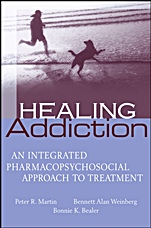
Healing Addiction: An Integrated Pharmacopsychosocial Approach to Treatment
ISBN 9780471656302
Autor: Peter Martin, Bennett Alan Weinberg, Bonnie K. Bealer
Wydawca: Wiley
Dostępność: 3-6 tygodni
Cena: 327,60 zł
Przed złożeniem zamówienia prosimy o kontakt mailowy celem potwierdzenia ceny.
ISBN13: |
9780471656302 |
ISBN10: |
0471656305 |
Autor: |
Peter Martin, Bennett Alan Weinberg, Bonnie K. Bealer |
Oprawa: |
Paperback |
Rok Wydania: |
2006-11-14 |
Ilość stron: |
272 |
Wymiary: |
234x157 |
Tematy: |
JC |
An integrative guide tounderstanding and treating addiction
Spurred on by such advances as recent brain imaging studies, better knowledge of co–occurring disorders, and grassroots treatment approaches, Healing Addiction lays out a contemporary, unified understanding of addiction that encompasses both addictive substances and addictive behaviors. Written by three leaders in the field of addiction research and treatment, it presents an integrated model of addiction as a mental illness involving physiological changes in the brain, and addiction treatment as requiring both medical and psychosocial components.
Healing Addiction begins by discussing addiction as a whole. Early chapters detail the many faces of addiction, its historical development, its classification as a chronic disease, and the biopsychosocial factors that put people at risk for addiction. Moving to treatment, the book introduces the myriad people who can act as resources for the addict—medical doctors, mental health professionals, social workers, clergy, family, and friends—while covering initial diagnosis and treatment.
Healing Addiction covers specific addictions and their recommended treatments, including:AlcoholHeroin and other opiatesBarbiturates, benozodiazepines, and other hypnotics and tranquillizersCocaine and amphetaminesMarijuana and tobaccoBehavioral addictionsPathological gamblingEating disorders
In its final section, Healing Addiction describes the recovery process, including both the criteria for treatment success and the challenges associated with life after addiction.
Filled with helpful resources and illuminating case studies, Healing Addiction is a breakthrough guide that brings together the latest neuroscience, pharmacology, social understanding, and psychological research. It is a key resource for professionals in the addiction community, for social scholars and policy
makers, and for the interested general reader.
Spis treści:
Foreword.
Preface by Peter R. Martin, M.D.
Preface by Bennett Alan Weinberg, Esq., and Bonnie K. Bealer.
Acknowledgments.
Part I Out of Control: The Biopsychosocial Model of the Causes of Addiction.
1 The Many Faces of Addiction.
Who Is the Addict?
Symptoms of Addiction.
Stages of Addiction.
Primary and Secondary Addiction.
2 The Historical Development of Drug Addiction.
Changing Attitudes about Psychoactive Substances.
Epidemiology: The Prevalence of Drug Use.
3 Addiction as a Disease.
The Drive to Use Drugs.
Drugs and the Chemical Systems of the Brain.
Neuroadaptation.
Complications of Drug Abuse.
4 Biopsychosocial Factors in Addiction.
Biological Factors: Brain Chemistry.
Psychological Factors.
Social Factors.
Biopsychosocial Factors and the Typical Course of Addiction.
Part II The Integrated Approach: Pharmacopsychosocial Treatment of Addiction as a Bona Fide Mental Illness.
5 The Players: Psychiatrists and Other Physicians, Therapists, Social Workers, Clergy, Family and Friends, and Support Groups.
Addiction and Co–Occurring Psychiatric Conditions.
Importance of Pharmaceuticals in Treatment.
Advice to Caregivers: “Above All, Do No Harm!”.
6 Identification and Diagnosis: Why Is It Difficult to Recognize Addiction?
7 Initiating Treatment.
What Can the Family Do, and Why Is the Family Invaluable in Recovery?
How Should Treatment Continue after Detoxification or Stabilization?
Healing: When Treatment Requires Professional Supervision.
8 Treatment Programs.
Inpatient or Outpatient Treatment: Which Is More Effective or Gives the Better Value for the Money?
Who Really Decides What Treatment Is Best?<
br>Psychosocial Treatment Programs.
Medical Model.
Safety of Medications in the Treatment of
Primary Addiction: Why Become Addicted to
a Doctor–Prescribed Medicine?
Part III Gaining Understanding: Treating Drug Addictions.
9 Alcohol.
The Case of Joe A..
Pharmacology.
Chemical Considerations.
Absorption, Distribution, and Elimination.
Drug Interactions.
Medical Complications.
Other Issues Related to Treating Alcoholism.
Alcoholism as a Paradigm for Understanding Drug Addiction.
10 Heroin and Other Morphine–Related Drugs.
Intoxication.
The Case of Bob R..
Drug–Seeking Behavior: Sought–After Effects.
Neuroadaptation.
11 CNS Depressants: Barbiturates, Benzodiazepines, and Other Hypnotics and Tranquilizers.
Patterns of Use.
The Case of Mike R..
Drug–Seeking Behavior: Sought–After Effects.
Neuroadaptation.
12 Stimulants: Cocaine and Amphetamines.
Pharmacology.
Amphetamines, Including Methamphetamine.
The Case of Roy T.
Patterns of Use.
Drug–Seeking Behavior: Sought–After Effects.
Neuroadaptation.
Medical and Other Complications.
13 Marijuana and Tobacco.
Gateway Drug?
The Case of John T.
Patterns of Use.
Intoxication.
Pharmacology.
Absorption, Distribution, Metabolism, and Excretion.
Endocannabinoid System.
Medical Complications.
Note on Tobacco.
Part IV Gaining Understanding: Treating Behavioral Addictions.
14 What Are Behavioral Addictions?
The Case of Marilyn B.
Sex Addiction: Problematic Hypersexuality.
The Case of Alex T.
15 Pathological Gambling.
Epidemiol
ogy.
The Case of John C.
Gambling Addiction: Behavioral Characteristics.
Neuroadaptation?
16 Food.
Hardwiring the Brain.
Pleasure and Pain.
Obesity.
Anorexia Nervosa.
Bulimia Nervosa.
Summary and Comparison of the Eating Disorders.
Epidemiology.
Neuroadaptation: Tolerance, Dependence, and Withdrawal?
Part V Recovery as an Ongoing Process: Control Is Never Complete.
17 Criteria for Treatment Success.
18 Entering a New Life.
Denial and “Slips”.
Continuing Relationship with the Physician or Therapist.
Should Recovering Addicts Become Treatment Professionals?
19 Managing Long–Term Treatment.
Recovery Requires Maintaining Health.
Honesty with the Primary Care Doctor Helps Both Patient and Doctor.
The Primary Care Doctor: Partner in Recovery and Point Man of the Recovery Net.
Beware of the Quickly Drawn Pen and the Ever–Ready Prescription Pad.
Denial Is Incompatible with Recovery—Healing Requires Acceptance of Addiction(s).
Responsible Recovery—The Blame Game Helps No One.
Drugs Are Not Dangerous—People Who Take Drugs Can Make Them Dangerous.
Mutual Trust, Respect, and Open Communication in the Physician–Patient Relationship.
Recovery Is More than Abstinence.
Pharmacopsychosocial Treatment Knits a Strong Recovery Safety Net.
Peer Mutual Support Fellowship: A Safe Haven in the Storm of Addiction.
Recovery Requires Self–Examination—with Help from Others Who Care about the Recovering Addict.
Professional Guidance on the Journey from Active Addiction to Recovery.
Psychotherapy with a Professional Is Highly Compatible
Koszyk
Książek w koszyku: 0 szt.
Wartość zakupów: 0,00 zł
Informacje


Kontakt
Gambit
Centrum Oprogramowania
i Szkoleń Sp. z o.o.
Al. Pokoju 29b/22-24
31-564 Kraków
Siedziba Księgarni
ul. Kordylewskiego 1
31-542 Kraków
+48 12 410 5991
+48 12 410 5987
+48 12 410 5989
Subskrypcje
Administratorem danych osobowych jest firma Gambit COiS Sp. z o.o. Na podany adres będzie wysyłany wyłącznie biuletyn informacyjny.
Autoryzacja płatności

Informacje na temat autoryzacji płatności poprzez PayU.

© Copyright 2012: GAMBIT COiS Sp. z o.o. Wszelkie prawa zastrzeżone.
Projekt i wykonanie: Alchemia Studio Reklamy