


Wydawcy
Katalog tematyczny
- Archeologia (109)
- Ekonomia, finanse, business (13704)
- Filozofia (1445)
- Historia (3040)
- Języki i językoznawstwo (2356)
- Lifestyle, hobby i rozrywka (475)
- Medycyna (9704)
- Nauki humanistyczne (4)
- Nauki o Ziemi i środowisku (2638)
- Nauki ścisłe (20412)
- Astronomia (294)
- Biologia (5119)
- Chemia (6540)
- Chemia analityczna (361)
- Chemia fizyczna (346)
- Chemia nieorganiczna (137)
- Chemia organiczna (535)
- Krystalografia (27)
- Minerologia (46)
- Fizyka (3309)
- Matematyka (4574)
- Nauki ścisłe, ogólnie (503)
- Nauki społeczne (8486)
- Nauki techniczne (13450)
- Prawo (1696)
- Publikacje informacyjne i interdyscyplinarne (1288)
- Religia i wierzenia (917)
- Technika komputerowa (4067)
- Zdrowie, relacje międzyludzkie i rozwój osobisty (657)





Informacje szczegółowe o książce
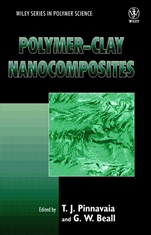
Polymer–Clay Nanocomposites
ISBN 9780471637004
Autor: T. J. Pinnavaia, G. W. Beall
Wydawca: Wiley
Dostępność: 3-6 tygodni
Cena: 2 136,75 zł
Przed złożeniem zamówienia prosimy o kontakt mailowy celem potwierdzenia ceny.
ISBN13: |
9780471637004 |
ISBN10: |
0471637009 |
Autor: |
T. J. Pinnavaia, G. W. Beall |
Oprawa: |
Hardback |
Rok Wydania: |
2000-12-05 |
Ilość stron: |
370 |
Wymiary: |
237x152 |
Tematy: |
PN |
Polymer–clay nanocomposites are formed through the union of two very different materials with organic and mineral pedigrees. The hybrid compositions, however, exhibit large increases in tensile strength, modulus, and heat distortion temperature as compared with the pristine polymer. The composites also have lower water sensitivity, reduced permeability to gases, and a similar thermal coefficient of expansion. All of these property improvements can be realized without a loss of clarity in the polymer. Further, it has been found that nanocomposites impart a level of flame retardance and UV resistance not present in the pure polymer. These improvements in performance properties at relatively low clay loading (typically 2 –10wt %) have stimulated intensive research in both industry and academia over the past decade.
Polymer–Clay Nanocomposites presents the first comprehensive overview of the state of the art of these materials since they were first reported a decade ago. Covering both the theory and practical applications, this volume in the ′Wiley Series in Polymer Science′ covers the key aspects of these important materials including:
∗ Polymer–clay intercalates
∗ The preparation and general properties of special practical and commercial significance (including strength, stiffness, toughness, permeability, fire retardation and chemical stability)
∗ The elucidation of the structural and rheological factors influencing performance and processing properties
Polymer–Clay Nanocomposites is an indispensable text for polymer scientists, composites formulators, materials engineers, resin producers, filters and additive producers as well as university lecturers, and organic and inorganic chemists working in this important and fascinating area.
Spis treści:
Contributors.
Series Preface.
Preface.
Polymer–clay Intercalates.
Layered Silicate–Polymer Intercalati
on Compounds.
Electroactive Polymers Intercalated in Clays and Related Solids.
Polymer–Clay Nanocomposites Derived from Polymer–Silicate Gels.
Polymerization of Organic Monomers and Biomolecules on Hectorite.
Nanocomposite Synthesis and Properties.
Polymer–Clay Nanocomposites.
In Situ Polymerization Route to Nylon 6–Clay Nanocomposites.
Epoxy–Clay Nanocomposites.
Polypropylene–Clay Nanocomposites.
Polyethylene Terephthalate–Clay Nanocomposites.
Special Properties and Applications.
Polymer–Layered Silicate Nanocomposites with Conventional Flame Retardants.
Nanocomposite Technology for Enhancing the Gas Barrier of Polyethylene Terephthalate.
Structure and Rheology.
Structural Characterization of Polymer–Layered Silicate Nanocomposites.
New Conceptual Model for Interpreting Nanocomposite Behavior.
Modeling the Phase Behavior of Polymer–Clay Nanocomposites.
Rheological Properties of Polymer–Layered Silicate Nanocomposites.
Index.
Okładka tylna:
Polymer–clay nanocomposites are formed through the union of two very different materials with organic and mineral pedigrees. The hybrid compositions, however, exhibit large increases in tensile strength, modulus, and heat distortion temperature as compared with the pristine polymer. The composites also have lower water sensitivity, reduced permeability to gases, and a similar thermal coefficient of expansion. All of these property improvements can be realized without a loss of clarity in the polymer. Further, it has been found that nanocomposites impart a level of flame retardance and UV resistance not present in the pure polymer. These improvements in performance properties at relatively low clay loading (typically 2 –10wt %) have stimulated intensive research in both industry and academia over the past decade.
Polymer–Clay Nanocomposites presents the first com
prehensive overview of the state of the art of these materials since they were first reported a decade ago. Covering both the theory and practical applications, this volume in the ′Wiley Series in Polymer Science′ covers the key aspects of these important materials including:
∗ Polymer–clay intercalates
∗ The preparation and general properties of special practical and commercial significance (including strength, stiffness, toughness, permeability, fire retardation and chemical stability)
∗ The elucidation of the structural and rheological factors influencing performance and processing properties
Polymer–Clay Nanocomposites is an indispensable text for polymer scientists, composites formulators, materials engineers, resin producers, filters and additive producers as well as university lecturers, and organic and inorganic chemists working in this important and fascinating area.
Koszyk
Książek w koszyku: 0 szt.
Wartość zakupów: 0,00 zł
Informacje


Kontakt
Gambit
Centrum Oprogramowania
i Szkoleń Sp. z o.o.
Al. Pokoju 29b/22-24
31-564 Kraków
Siedziba Księgarni
ul. Kordylewskiego 1
31-542 Kraków
+48 12 410 5991
+48 12 410 5987
+48 12 410 5989
Subskrypcje
Administratorem danych osobowych jest firma Gambit COiS Sp. z o.o. Na podany adres będzie wysyłany wyłącznie biuletyn informacyjny.
Autoryzacja płatności

Informacje na temat autoryzacji płatności poprzez PayU.

© Copyright 2012: GAMBIT COiS Sp. z o.o. Wszelkie prawa zastrzeżone.
Projekt i wykonanie: Alchemia Studio Reklamy