


Wydawcy
Katalog tematyczny
- Archeologia (109)
- Ekonomia, finanse, business (13704)
- Filozofia (1445)
- Historia (3040)
- Języki i językoznawstwo (2356)
- Lifestyle, hobby i rozrywka (475)
- Medycyna (9704)
- Nauki humanistyczne (4)
- Nauki o Ziemi i środowisku (2638)
- Geografia (299)
- Nauki o Ziemi (1661)
- Geologia (414)
- Hydrologia (237)
- Meteorologia i klimatologia (114)
- Paleontologia (33)
- Wulkanologia i sejsmologia (44)
- Planowanie przestrzenne (53)
- Środowisko (607)
- Nauki ścisłe (20412)
- Nauki społeczne (8486)
- Nauki techniczne (13450)
- Prawo (1696)
- Publikacje informacyjne i interdyscyplinarne (1288)
- Religia i wierzenia (917)
- Technika komputerowa (4067)
- Zdrowie, relacje międzyludzkie i rozwój osobisty (657)





Informacje szczegółowe o książce
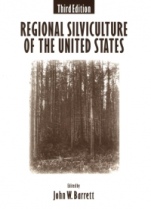
Regional Silviculture of the United States
ISBN 9780471598176
Autor: John W. Barrett
Wydawca: Wiley
Dostępność: 3-6 tygodni
Cena: 1 596,00 zł
Przed złożeniem zamówienia prosimy o kontakt mailowy celem potwierdzenia ceny.
ISBN13: |
9780471598176 |
ISBN10: |
0471598178 |
Autor: |
John W. Barrett |
Oprawa: |
Hardback |
Rok Wydania: |
1995-01-04 |
Numer Wydania: |
3rd Edition |
Ilość stron: |
656 |
Wymiary: |
239x166 |
Tematy: |
RB |
A valuable working resource for professionals.
An excellent text for advanced forestry students . . .
This unique book provides students and professionals with a broad– based knowledge of contemporary silviculture theory and practice. Throughout, the authors emphasize fundamental questions of edaphic, physiographic, and climatic site factors, as well as ecological relationships and silvical characteristics of major tree species. Updated and expanded to reflect the many scientific, socioeconomic, and public policy trends that have had a profound impact on silviculture over the past decade, this Third Edition of Regional Silviculture of the United States: Brings together the knowledge and expertise of fourteen leading experts from around the nation Provides a rational framework with which to critically assess forest data and to develop innovative silvicultural solutions Features region–by–region coverage of the eleven major forest types in the continental U.S. and Alaska Offers a detailed look at practices that promote a wide range of forest resources—from wood production and outdoor recreation, to wildlife habitat and range forage production Now includes more in–depth coverage of such crucial themes as biodiversity, endangered species, habitat fragmentation, forest health, landscape management, neotropical migrants, and more
"...silviculture is not reducible to a series of rules; it must be flexible and adaptable to a variety of conditions. Much of it is an art as well as a synthesis of ecology and economics. There is no single best answer to how a stand should be managed. And institutional and societal constraints must be considered." —from the Preface by John W. Barrett
Regional Silviculture of the United States, Third Edition is not a "cookbook,"offering pat recipes for solving "typical" silvicultural problems. Instead, it arms those responsible for the development and care of fo
rests with something far more valuable—a rational framework for the analysis of forest data and the development of innovative solutions tailored to specific forest types and the shifting politicoeconomic constraints under which silviculturalists must work.
One way in which this book achieves that goal is by providing readers with a broad–based knowledge of contemporary silviculture theory and practice. In chapters organized according to the eleven major forest regions of the continental U.S., fourteen recognized experts from around the nation—each of them a specialist in a particular region of operation—offer their valuable insights and observations on silviculture in general and on various silvicultural practices with which they are familiar. Throughout, the authors are attentive to fundamental considerations of edaphic, physiographic, and climatic site factors, as well as ecological relationships and silvical characteristics of major tree species.
This Third Edition of John W. Barrett′s classic has been revised and expanded to encompass a number of important themes which have risen to prominence within silviculture over the past decade, including biodiversity, endangered species, habitat fragmentation, forest health, landscape management, and neotropical migrants.
Timely, authoritative, and comprehensive in scope, Regional Silviculture of the United States, Third Edition is a valuable resource for foresters, forestry students, ecologists, environmental scientists, and all those concerned with development, management, and preservation of our most valuable national treasure.
Spis treści:
The Forests of the United States (D. Smith).
The Northeastern Region (R. Seymour).
The Lake States Region (J. Johnson).
The Central Region (G. Parker & C. Merritt).
The Southern Appalachian Hardwood Region (D. Smith).
The Southern Bottomland Hardwood Region and Brown Loam Bluffs Subregion (J
. Hodges).
The Southern Pine Region (L. Walker).
The Middle and Southern Rocky Mountain Region (J. Long).
The Northern Rocky Mountain Region (D. Adams).
The California Region (J. Helms).
The Pacific Northwest Region (S. Tesch).
The Alaska Region (J. Zasada & E. Packee).
Appendices.
Index.
Nota biograficzna:
JOHN W. BARRETT, PhD, is Professor of Forestry Emeritus with the Department of Forestry, Wildlife, and Fisheries at the University of Tennessee in Knoxville.
Okładka tylna:
A valuable working resource for professionals.
An excellent text for advanced forestry students . . .
This unique book provides students and professionals with a broad– based knowledge of contemporary silviculture theory and practice. Throughout, the authors emphasize fundamental questions of edaphic, physiographic, and climatic site factors, as well as ecological relationships and silvical characteristics of major tree species. Updated and expanded to reflect the many scientific, socioeconomic, and public policy trends that have had a profound impact on silviculture over the past decade, this Third Edition of Regional Silviculture of the United States: Brings together the knowledge and expertise of fourteen leading experts from around the nation Provides a rational framework with which to critically assess forest data and to develop innovative silvicultural solutions Features region–by–region coverage of the eleven major forest types in the continental U.S. and Alaska Offers a detailed look at practices that promote a wide range of forest resources—from wood production and outdoor recreation, to wildlife habitat and range forage production Now includes more in–depth coverage of such crucial themes as biodiversity, endangered species, habitat fragmentation, forest health, landscape management, neotropical migrants, and more
"...silviculture is not reducibl
e to a series of rules; it must be flexible and adaptable to a variety of conditions. Much of it is an art as well as a synthesis of ecology and economics. There is no single best answer to how a stand should be managed. And institutional and societal constraints must be considered." —from the Preface by John W. Barrett
Regional Silviculture of the United States, Third Edition is not a "cookbook,"offering pat recipes for solving "typical" silvicultural problems. Instead, it arms those responsible for the development and care of forests with something far more valuable—a rational framework for the analysis of forest data and the development of innovative solutions tailored to specific forest types and the shifting politicoeconomic constraints under which silviculturalists must work.
One way in which this book achieves that goal is by providing readers with a broad–based knowledge of contemporary silviculture theory and practice. In chapters organized according to the eleven major forest regions of the continental U.S., fourteen recognized experts from around the nation—each of them a specialist in a particular region of operation—offer their valuable insights and observations on silviculture in general and on various silvicultural practices with which they are familiar. Throughout, the authors are attentive to fundamental considerations of edaphic, physiographic, and climatic site factors, as well as ecological relationships and silvical characteristics of major tree species.
This Third Edition of John W. Barrett′s classic has been revised and expanded to encompass a number of important themes which have risen to prominence within silviculture over the past decade, including biodiversity, endangered species, habitat fragmentation, forest health, landscape management, and neotropical migrants.
Timely, authoritative, and comprehensive in scope, Regional Silviculture of the United States, Third Edition is
Koszyk
Książek w koszyku: 0 szt.
Wartość zakupów: 0,00 zł
Informacje


Kontakt
Gambit
Centrum Oprogramowania
i Szkoleń Sp. z o.o.
Al. Pokoju 29b/22-24
31-564 Kraków
Siedziba Księgarni
ul. Kordylewskiego 1
31-542 Kraków
+48 12 410 5991
+48 12 410 5987
+48 12 410 5989
Subskrypcje
Administratorem danych osobowych jest firma Gambit COiS Sp. z o.o. Na podany adres będzie wysyłany wyłącznie biuletyn informacyjny.
Autoryzacja płatności

Informacje na temat autoryzacji płatności poprzez PayU.

© Copyright 2012: GAMBIT COiS Sp. z o.o. Wszelkie prawa zastrzeżone.
Projekt i wykonanie: Alchemia Studio Reklamy