


Wydawcy
Katalog tematyczny
- Archeologia (109)
- Ekonomia, finanse, business (13704)
- Filozofia (1445)
- Historia (3040)
- Języki i językoznawstwo (2356)
- Lifestyle, hobby i rozrywka (475)
- Medycyna (9704)
- Nauki humanistyczne (4)
- Nauki o Ziemi i środowisku (2638)
- Nauki ścisłe (20412)
- Astronomia (294)
- Biologia (5119)
- Chemia (6540)
- Chemia analityczna (361)
- Chemia fizyczna (346)
- Chemia nieorganiczna (137)
- Chemia organiczna (535)
- Krystalografia (27)
- Minerologia (46)
- Fizyka (3309)
- Matematyka (4574)
- Nauki ścisłe, ogólnie (503)
- Nauki społeczne (8486)
- Nauki techniczne (13450)
- Prawo (1696)
- Publikacje informacyjne i interdyscyplinarne (1288)
- Religia i wierzenia (917)
- Technika komputerowa (4067)
- Zdrowie, relacje międzyludzkie i rozwój osobisty (657)





Informacje szczegółowe o książce
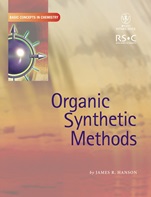
Organic Synthetic Methods
ISBN 9780471549109
Autor: James R. Hanson
Wydawca: Wiley
Dostępność: 3-6 tygodni
Cena: 297,15 zł
Przed złożeniem zamówienia prosimy o kontakt mailowy celem potwierdzenia ceny.
ISBN13: |
9780471549109 |
ISBN10: |
047154910X |
Autor: |
James R. Hanson |
Oprawa: |
Paperback |
Rok Wydania: |
2004-08-10 |
Ilość stron: |
176 |
Wymiary: |
249x191 |
Tematy: |
PN |
Synthesis is one of the major endeavours of the organic chemist, and the design of a successful synthesis requires a sound knowledge of functional group chemistry, stereochemistry and organic reaction mechanisms.
Organic Synthetic Methods introduces the major methods of creating carbon–carbon and carbon–nitrogen bonds, along with functional group interconversions (Oxidation, reduction, halogenation). The use of protecting groups and solid–phase methods are also discussed. The analysis of the structure of a target molecule, in terms of the structural consequences of synthetic reactions, is introduced to enable the student to identify key dissections and building blocks and hence develop a suitable synthetic method. Examples of the synthesis of labelled compounds are also provided.
Spis treści:
1. Introduction.
1.1 Synthetic Strategies.
1.2 Steric Factors.
1.3 Criteria for Evaluating Synthetic Routes.
1.4 Some Synthetic Terms.
1.5 Learning to Apply Synthetic Methods.
2. Organometallic and Ylide Methods of carbon–Carbon Bond Formation.
2.1 Introduction.
2.2 Reactions of Organometallic Compounds.
2.3 Acetylides and Nitriles.
2.4 Ylide Reactions.
2.5 Silicon and Boron in C–C Bond Formation.
3. Carbonyl Activation and Enolate Chemistry in Carbon–Carbon Bond Formation.
3.1 Introduction.
3.2 Alkylation Reactions.
3.3 Enolate Anions in Carbonyl Addition Reactions.
3.4 The Stereochemistry of Condensation Reactions.
4. Carbocations in Synthesis.
4.1 Introduction.
4.2 Alkly Carbocations: The Friedel–Crafts Alkylation.
4.3 Carbocations Derived from Aldehydes and Ketones.
4.4 Acylium Carbocations: The Friedel–Crafts Acylation.
4.5 Acid–catalysed Rearrangement Reactions.
5. Free Radical and Pericyclic Reactions in the Formation of Carbon–Carbon Bonds.
5.1 Carbon Radical Reactio
ns.
5.2 Radical Addition Reactions.
5.3 Carbenes.
5.4 Alkene Metathesis.
5.5 The Diels–Alder Reaction.
5.6 The Ene Reaction.
5.7 The Cope and Claisen Rearrangements.
6. Methods of Making Carbon–Nitrogen Bonds.
6.1 Introduction.
6.2 Electrophilic Methods of Making C–N Bonds.
6.3 Nucleophilic Methods of Making C–N Bonds.
6.4 Rearrangements Methods.
6.5 The Synthesis of Amino Acids.
6.6 The Synthesis of Heterocyclic Compounds.
7. Functional Group Transformations.
7.1 Oxidation.
7.2 Reduction.
7.3 Halogenation.
8. Protecting Groups.
8.1 Protection of Functional Groups.
8.2 Peptide Synthesis.
8.3 Combinatorial Synthesis.
9. Some Examples of Total Synthesis.
9.1 Introduction.
9.2 β–Eudesmol.
9.3 Griseofulvin.
9.4 Thiamine (Vitamin B<sub>1</sub>).
9.5 Prostaglandins.
Further Reading.
Answers to Problems.
Subject Index.
Nota biograficzna:
James R. Hanson is Professor in the Department of Chemistry at the University of Sussex.
Okładka tylna:
Synthesis is one of the major endeavours of the organic chemist, and the design of a successful synthesis requires a sound knowledge of functional group chemistry, stereochemistry and organic reaction mechanisms.
Organic Synthetic Methods introduces the major methods of creating carbon–carbon and carbon–nitrogen bonds, along with functional group interconversions (Oxidation, reduction, halogenation). The use of protecting groups and solid–phase methods are also discussed. The analysis of the structure of a target molecule, in terms of the structural consequences of synthetic reactions, is introduced to enable the student to identify key dissections and building blocks and hence develop a suitable synthetic method. Examples of the synthesis of labelled compounds are als
o provided.
Koszyk
Książek w koszyku: 0 szt.
Wartość zakupów: 0,00 zł
Informacje


Kontakt
Gambit
Centrum Oprogramowania
i Szkoleń Sp. z o.o.
Al. Pokoju 29b/22-24
31-564 Kraków
Siedziba Księgarni
ul. Kordylewskiego 1
31-542 Kraków
+48 12 410 5991
+48 12 410 5987
+48 12 410 5989
Subskrypcje
Administratorem danych osobowych jest firma Gambit COiS Sp. z o.o. Na podany adres będzie wysyłany wyłącznie biuletyn informacyjny.
Autoryzacja płatności

Informacje na temat autoryzacji płatności poprzez PayU.

© Copyright 2012: GAMBIT COiS Sp. z o.o. Wszelkie prawa zastrzeżone.
Projekt i wykonanie: Alchemia Studio Reklamy