


Wydawcy
Katalog tematyczny
- Archeologia (109)
- Ekonomia, finanse, business (13704)
- Filozofia (1445)
- Historia (3040)
- Języki i językoznawstwo (2356)
- Lifestyle, hobby i rozrywka (475)
- Medycyna (9704)
- Nauki humanistyczne (4)
- Nauki o Ziemi i środowisku (2638)
- Nauki ścisłe (20412)
- Astronomia (294)
- Biologia (5119)
- Chemia (6540)
- Chemia analityczna (361)
- Chemia fizyczna (346)
- Chemia nieorganiczna (137)
- Chemia organiczna (535)
- Krystalografia (27)
- Minerologia (46)
- Fizyka (3309)
- Matematyka (4574)
- Nauki ścisłe, ogólnie (503)
- Nauki społeczne (8486)
- Nauki techniczne (13450)
- Prawo (1696)
- Publikacje informacyjne i interdyscyplinarne (1288)
- Religia i wierzenia (917)
- Technika komputerowa (4067)
- Zdrowie, relacje międzyludzkie i rozwój osobisty (657)





Informacje szczegółowe o książce
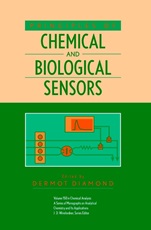
Principles of Chemical and Biological Sensors
ISBN 9780471546191
Autor: Dermot Diamond
Wydawca: Wiley
Dostępność: 3-6 tygodni
Cena: 1 012,20 zł
Przed złożeniem zamówienia prosimy o kontakt mailowy celem potwierdzenia ceny.
ISBN13: |
9780471546191 |
ISBN10: |
0471546194 |
Autor: |
Dermot Diamond |
Oprawa: |
Hardback |
Rok Wydania: |
1998-11-10 |
Ilość stron: |
368 |
Wymiary: |
235x159 |
Tematy: |
PN |
An authoritative review of modern sensor technology–essential information for analytical chemists, biochemists, biotechnologists, spectroscopists, and chemical engineers
As sensors begin to realize their commercial and practical potential in fields ranging from the automobile and semiconductor industries to environmental monitoring and clinical diagnostics, this timely work offers an important survey of the principles, construction, and applications of the most popular types of chemical and biological sensors in use today.
Principles of Chemical and Biological Sensors brings together a wealth of valuable material in a single source, providing scientists and researchers with a basic grasp of the latest developments in this area, as well as information on trends and future directions.
Coverage includes:
∗ Amperometric, modified, potentiometric, and voltammetric electrodes
∗ Optrodes and direct spectroscopic methods
∗ Enzyme and antibody based biosensors
∗ Processing signals from sensors
∗ Miniaturization of sensors
∗ Sensor arrays and intelligent sensing systems
Principles of Chemical and Biological Sensors is an essential reference for scientists in research and industry aiming to make optimum use of these cutting–edge devices in their work.
Spurred by a dramatic increase in R&D support over the last twenty years, sensors are poised for a revolution similar to the one seen in microcomputers in the late 1980s. Matching enhanced performance with lower cost, new generations of sensing devices promise to gain a firm footing in many different areas, from environmental regulation to manufacturing and other industries.
Principles of Chemical and Biological Sensors offers a state–of–the–art look at the principles and applications of the most popular sensors available today, coupled with an exploration of potential directions and developments for the future of this dynam
ic field. From amperometric, potentiometric, and voltammetric electrodes to smart sensors, digital filtering, and more, this useful volume contains essential information across a range of sensor types and functions. Topics covered include:
∗ Ion–selective electrodes and optrodes
∗ Amperometric methods of detection
∗ Biomaterials for biosensors
∗ Optical chemical sensors
∗ Miniaturized chemical sensors
∗ Sensor signal processing
Expertly balancing breadth and depth of coverage within a single, easy–to–use resource, Principles of Chemical and Biological Sensors is essential reading for analytical chemists, biochemists, chemical engineers, and others who will benefit from the tremendous strides being made in sensor research and technology today.
Spis treści:
Overview (D. Diamond).
Ion–Selective Electrodes and Optodes (D. Diamond & F. Sáez de Viteri).
Amperometric Methods of Detection (J. Cassidy, et al.).
Biomaterials for Biosensors (T. McCormack, et al.).
Optical Chemical Sensors (B. MacCraith).
Miniaturized Chemical Sensors (R. Forster).
Sensor Signal Processing (H. McCabe).
Index.
Nota biograficzna:
DERMOT DIAMOND, PhD, Senior Lecturer at the Dublin City University School of Chemical Sciences, is currently the director of the DCU Biomedical and Environmental Sensor Technology (BEST) Centre. He is the coauthor of Spreadsheet Applications in Chemistry Using Microsoft(r) Excel(r) (Wiley), and has published extensively on many aspects of sensor technology, including chemical sensor arrays, selectivity in chemical sensors, sensor instrumentation, ion–selective electrodes, optical sensors, and biosensors.
Okładka tylna:
An authoritative review of modern sensor technology–essential information for analytical chemists, biochemists, biotechnologists, spectroscopists, and chemical engineers
As sensors begin to realize their commercial and practical potential in fields ranging from the automobile and semiconductor industries to environmental monitoring and clinical diagnostics, this timely work offers an important survey of the principles, construction, and applications of the most popular types of chemical and biological sensors in use today.
Principles of Chemical and Biological Sensors brings together a wealth of valuable material in a single source, providing scientists and researchers with a basic grasp of the latest developments in this area, as well as information on trends and future directions.
Coverage includes:
∗ Amperometric, modified, potentiometric, and voltammetric electrodes
∗ Optrodes and direct spectroscopic methods
∗ Enzyme and antibody based biosensors
∗ Processing signals from sensors
∗ Miniaturization of sensors
∗ Sensor arrays and intelligent sensing systems
Principles of Chemical and Biological Sensors is an essential reference for scientists in research and industry aiming to make optimum use of these cutting–edge devices in their work.
Spurred by a dramatic increase in R&D support over the last twenty years, sensors are poised for a revolution similar to the one seen in microcomputers in the late 1980s. Matching enhanced performance with lower cost, new generations of sensing devices promise to gain a firm footing in many different areas, from environmental regulation to manufacturing and other industries.
Principles of Chemical and Biological Sensors offers a state–of–the–art look at the principles and applications of the most popular sensors available today, coupled with an exploration of potential directions and developments for the future of this dynamic field. From amperometric, potentiometric, and voltammetric electrodes to smart sensors, digital filtering, and more, this useful volume contains essential information across a
range of sensor types and functions. Topics covered include:
∗ Ion–selective electrodes and optrodes
∗ Amperometric methods of detection
∗ Biomaterials for biosensors
∗ Optical chemical sensors
∗ Miniaturized chemical sensors
∗ Sensor signal processing
Expertly balancing breadth and depth of coverage within a single, easy–to–use resource, Principles of Chemical and Biological Sensors is essential reading for analytical chemists, biochemists, chemical engineers, and others who will benefit from the tremendous strides being made in sensor research and technology today.
Koszyk
Książek w koszyku: 0 szt.
Wartość zakupów: 0,00 zł
Informacje


Kontakt
Gambit
Centrum Oprogramowania
i Szkoleń Sp. z o.o.
Al. Pokoju 29b/22-24
31-564 Kraków
Siedziba Księgarni
ul. Kordylewskiego 1
31-542 Kraków
+48 12 410 5991
+48 12 410 5987
+48 12 410 5989
Subskrypcje
Administratorem danych osobowych jest firma Gambit COiS Sp. z o.o. Na podany adres będzie wysyłany wyłącznie biuletyn informacyjny.
Autoryzacja płatności

Informacje na temat autoryzacji płatności poprzez PayU.

© Copyright 2012: GAMBIT COiS Sp. z o.o. Wszelkie prawa zastrzeżone.
Projekt i wykonanie: Alchemia Studio Reklamy