


Wydawcy
Katalog tematyczny
- Archeologia (109)
- Ekonomia, finanse, business (13704)
- Filozofia (1445)
- Historia (3040)
- Języki i językoznawstwo (2356)
- Lifestyle, hobby i rozrywka (475)
- Medycyna (9704)
- Nauki humanistyczne (4)
- Nauki o Ziemi i środowisku (2638)
- Nauki ścisłe (20412)
- Astronomia (294)
- Biologia (5119)
- Biochemia (575)
- Biologia człowieka (14)
- Biologia komórkowa (377)
- Biologia molekularna (398)
- Biologia rozwoju (130)
- Biologia, ogólnie (1277)
- Botanika (280)
- Hydrobiologia (92)
- Mikrobiologia (363)
- Mykologia (22)
- Zoologia (303)
- Chemia (6540)
- Fizyka (3309)
- Matematyka (4574)
- Nauki ścisłe, ogólnie (503)
- Nauki społeczne (8486)
- Nauki techniczne (13450)
- Prawo (1696)
- Publikacje informacyjne i interdyscyplinarne (1288)
- Religia i wierzenia (917)
- Technika komputerowa (4067)
- Zdrowie, relacje międzyludzkie i rozwój osobisty (657)





Informacje szczegółowe o książce
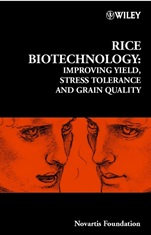
Rice Biotechnology: Improving Yield, Stress Tolerance and Grain Quality
ISBN 9780471496618
Autor: Jamie A. Goode, Derek J. Chadwick
Wydawca: Wiley
Dostępność: 3-6 tygodni
Cena: 848,40 zł
Przed złożeniem zamówienia prosimy o kontakt mailowy celem potwierdzenia ceny.
ISBN13: |
9780471496618 |
ISBN10: |
0471496618 |
Autor: |
Jamie A. Goode, Derek J. Chadwick |
Oprawa: |
Hardback |
Rok Wydania: |
2001-04-17 |
Ilość stron: |
272 |
Wymiary: |
234x162 |
Tematy: |
PS |
Rice is the most important food crop for half the world′s population. Over the last three decades, the imporvement in human nutrition and health in Asia has largely been attributable to a relatively stable and affordable rice supply. The challenge to produce enough rice for the future, however, remains daunting, as the current rate of population growth outpaces that of increases in rice production. Science has a central role to play in raising rice productivity and this book highlights areas of plant science that are particularly relevant to solving the major constraints on rice production. Examining molecular, genetic and cellular techniques, it considers recent advances in four research approaches for increasing yields and improving the nutritional quality of rice. Plant genomics: knowing the identity and location of each gene in the rice genome is of immense value in all aspects of rice science and cultivar improvement. Molecular biological approaches to increase yield: to produce more biomass by increasing photosynthetic rate and duration, and by improving grain filling. Enhancing tolerance to biotic and abiotic stresses: with new DNA array technologies, it is now possible to assess global genomic response to stresses. Understanding the relationships among stress pathways may create new opportunities for gene manipulation to enhance tolerance to multiple biotic and abiotic stresses. Improving nutritional quality in the grain: knowledge of the biosynthesis of micronutrients in plants permits genetic engineering of metabolic pathways to enhance the availability of micronutrients.
Spis treści:
Opening Address: The Challenge to Feed the World′s Poor (M. Hossain).
Chair′s Introduction (G. Khush).
A Framework for Sequencing the Rice Genome (G. Presting, et al.).
Rice Genomics: Current Status of Genome Sequencing (T. Matsumoto).
Rice––The Pivotal Genome in Cereal Compara
tive Genetics (M. Gale, et al.).
Bioinformatics for Rice Resources (B. Sobral, et al.).
Regulation of Gene Expression by Small Molecules in Rice (S. Zhang, et al.).
Introduction of Genes Encoding C4 Photosynthesis Enzymes into Rice Plants: Physiological Consequences (M. Ku, et al.).
Increasing Rice Photosynthesis by Manipulation of the Acclimation and Adaptation to Light (P. Horton, et al.).
Increasing Rice Productivity and Yield by Manipulation of Starch Synthesis (T. Okita, et al.).
Genetic Analysis of Plant Disease Resistance Pathways (J. Parker, et al.).
Regulation of Systemic Acquired Resistance by NPR1 and its Partners (X. Dong, et al.).
Improving Plant Drought, Salt and Freezing Tolerance by Gene Transfer of a Single Stress–inducible Transcription Factor (K. Yamaguchi–Shinozaki & K. Shinozaki).
Dissection of Defence Response Pathways in Rice (J. Leach, et al.).
Breeding for Nutritional Characteristics in Cereals (R. Graham & G. Gregorio).
Biosynthesis of beta–Carotene (Provitamin A) in Rice Endosperm Achieved by Genetic Engineering (S. Al–Babili, et al.).
Developing Transgenic Grains with Improved Oils, Proteins and Carbohydrates (B. Mazur).
Summing–Up: Cutting –Edge Science for Rice Improvement––Breakthroughs and Beneficiaries (J. Bennett).
Index of Contributors.
Subject Index.
Okładka tylna:
Rice is the most important food crop for half the world′s population. Over the last three decades, the imporvement in human nutrition and health in Asia has largely been attributable to a relatively stable and affordable rice supply. The challenge to produce enough rice for the future, however, remains daunting, as the current rate of population growth outpaces that of increases in rice production. Science has a central role to play in raising rice productivity and this book highlights areas of plant science that are particular
ly relevant to solving the major constraints on rice production. Examining molecular, genetic and cellular techniques, it considers recent advances in four research approaches for increasing yields and improving the nutritional quality of rice. Plant genomics: knowing the identity and location of each gene in the rice genome is of immense value in all aspects of rice science and cultivar improvement. Molecular biological approaches to increase yield: to produce more biomass by increasing photosynthetic rate and duration, and by improving grain filling. Enhancing tolerance to biotic and abiotic stresses: with new DNA array technologies, it is now possible to assess global genomic response to stresses. Understanding the relationships among stress pathways may create new opportunities for gene manipulation to enhance tolerance to multiple biotic and abiotic stresses. Improving nutritional quality in the grain: knowledge of the biosynthesis of micronutrients in plants permits genetic engineering of metabolic pathways to enhance the availability of micronutrients.
Koszyk
Książek w koszyku: 0 szt.
Wartość zakupów: 0,00 zł
Informacje


Kontakt
Gambit
Centrum Oprogramowania
i Szkoleń Sp. z o.o.
Al. Pokoju 29b/22-24
31-564 Kraków
Siedziba Księgarni
ul. Kordylewskiego 1
31-542 Kraków
+48 12 410 5991
+48 12 410 5987
+48 12 410 5989
Subskrypcje
Administratorem danych osobowych jest firma Gambit COiS Sp. z o.o. Na podany adres będzie wysyłany wyłącznie biuletyn informacyjny.
Autoryzacja płatności

Informacje na temat autoryzacji płatności poprzez PayU.

© Copyright 2012: GAMBIT COiS Sp. z o.o. Wszelkie prawa zastrzeżone.
Projekt i wykonanie: Alchemia Studio Reklamy