


Wydawcy
Katalog tematyczny
- Archeologia (109)
- Ekonomia, finanse, business (13704)
- Filozofia (1445)
- Historia (3040)
- Języki i językoznawstwo (2356)
- Lifestyle, hobby i rozrywka (475)
- Medycyna (9704)
- Nauki humanistyczne (4)
- Nauki o Ziemi i środowisku (2638)
- Nauki ścisłe (20412)
- Astronomia (294)
- Biologia (5119)
- Chemia (6540)
- Chemia analityczna (361)
- Chemia fizyczna (346)
- Chemia nieorganiczna (137)
- Chemia organiczna (535)
- Krystalografia (27)
- Minerologia (46)
- Fizyka (3309)
- Matematyka (4574)
- Nauki ścisłe, ogólnie (503)
- Nauki społeczne (8486)
- Nauki techniczne (13450)
- Prawo (1696)
- Publikacje informacyjne i interdyscyplinarne (1288)
- Religia i wierzenia (917)
- Technika komputerowa (4067)
- Zdrowie, relacje międzyludzkie i rozwój osobisty (657)





Informacje szczegółowe o książce
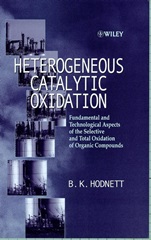
Heterogeneous Catalytic Oxidation: Fundamental and Technological Aspects of the Selective and Total Oxidation of Organic Compounds
ISBN 9780471489948
Autor: B. K. Hodnett
Wydawca: Wiley
Dostępność: 3-6 tygodni
Cena: 2 259,60 zł
Przed złożeniem zamówienia prosimy o kontakt mailowy celem potwierdzenia ceny.
ISBN13: |
9780471489948 |
ISBN10: |
0471489948 |
Autor: |
B. K. Hodnett |
Oprawa: |
Hardback |
Rok Wydania: |
2000-04-14 |
Ilość stron: |
360 |
Wymiary: |
240x167 |
Tematy: |
PN |
Heterogeneous catalytic oxidation is a key technique used in the large–scale production of organic chemicals. However, the recent climate of environmental awareness has seen an increase in its use as a technique for reducing polluting emissions from chemical factories. Heterogeneous Catalytic Oxidation; Fundamental and Technological Aspects of the Selective and Total Oxidation of Organic Compounds presents the essence of catalytic chemistry, describing the structure of catalysts, the technology in which they are used and the chemical transformations that occur during the reaction. Including descriptions of how reactants and products interact on the molecular scale with the active sites on the surface of these materials, this text uses catalytic oxidation to explain the principles of heterogeneous catalysis. Following an introduction to the principles and chemistry of catalytic oxidation, Professor Hodnett uses detailed case studies which represent and illustrate the fundamentals and technology for specific aspects of heterogeneous catalytic oxidation, including:
∗ Propene oxidation to acrolein.
∗ n–Butane oxidation to maleic anhydride.
∗ Epoxidation over silver catalysts.
∗ Fundamentals and technologies of the catalytic destruction of volatile organic compounds.
∗ Ammoxidation for the insertion of nitrogen into organic structures.
∗ Oxidative insertion of chlorine into ethylene and catalytic combustion of chlorinated hydrocarbons.
∗ Liquid phase oxidations with particular emphasis on the use of hydrogen peroxide as an oxidizing agent.
Spis treści:
Preface
1 General Introduction
1.1 Presentation of Material
1.2 The Role and Importance of Heterogeneous Catalytic Oxidation Processes in the Chemical Industry
References to Chapter 1
2 Introduction to Heterogeneous Catalysis
2.1 Macroscopic and Microscopic Structure of Heterogeneous Catalysts
2.2 The Five
Basic Steps in Heterogeneous Catalysis
2.3 Testing of Heterogeneous Catalysts
2.4 Diffusion
2.5 Adsorption at the Gas–Solid Interface
2.6 Kinetics of Oxidation Reactions
2.7 Characterization of Oxidation Catalysts
References to Chapter 2
3 General Principles of Heterogeneous Catalytic Oxidation
3.1 Generic Features of Catalytic Oxidation Reactions
3.2 The Mode of Activation of the Hydrocarbon and Discriminating Capacity of Active Sites in Oxidation Catalysis
3.3 Types of Active Oxygen Species Involved in Oxidation Catalysis
3.4 Structural Features of Oxidation Catalysts
References to Chapter 3
4 Propene Oxidation to Acrolein: Allylic Oxidation over Catalysts with Highly Mobile Oxygen Anions
4.1 Introduction
4.2 The Composition of Multicomponent Bismuth Molybdate Catalysts for Propene Oxidation
4.3 The Surface Allyl Species
4.4 Source of Oxygen Inserted into Propene to Form Acrolein
4.5 Oxygen Transport within Bismuth Molybdate Catalysts
4.6 The Overall Reaction Mechanism
References to Chapter 4
5 Oxidation Activation of Alkanes: Oxidation of n–butane to Maleic Arthydride
5.1 Introduction
5.2 Technologies for the Production of Maleic Anhydride
5.3 The Preparation, Structure and Performance of Vanadium Phosphorus Oxide Catalysts
5.4 Activation of n–butane
5.5 The Nature of the Active Site and the Reaction Mechanism
5.6 Conclusions
References to Chapter 5
6 Epoxidation of Alkenes: Reactivity of Electrophilie Oxygen Species
6.1 Introduction
6.2 Technology for Ethylene Oxide Production
6.3 Catalyst Composition, Structure and Performance
6.4 Reaction Kinetics and Network
6.5 The Nature of the Oxygen Species on and under the Silver Surface
6.6 Reactivity of Oxygen Species on Silver
References to Chapter 6
7 Catalytic Combustion
7.1 Introduction
7.2 Environmental Applications of Catalytic Combustion
7.3 Principles of Catalytic Combustio
n
7.4 Choice of Materials for the Construction of Combustion Catalysts
7.5 Poisoning of Combustion Catalysts
7.6 Reactivity of the Substrate
7.7 Kinetics of Catalytic Combustion Reactions
7.8 Nature of the Active Species of Working Precious Metal Catalysts
References to Chapter 7
8 Activation and Insertion of Nitrogen into Organic Compounds
8.1 Introduction
8.2 Technology for Propene Ammoxidation
8.3 Catalysts Used in Ammoxidation
8.4 The Ammoxidation Reaction Network
8.5 Mechanism of Nitrogen Insertion in Ammoxidation
8.6 Nitrogen Insertion in Ammoxidation
References to Chapter 8
9 Catalytic Oxidation Reactions Involving Chlorine: Oxychlorination and the Oxidative Destruction of Chlorinated Hydrocarbons
9.1 Introduction
9.2 Vinyl Chloride by Oxychlorination
9.3 Technology for Vinyl Chloride Production
9.4 Oxychlorination Catalyst Composition, Preparation and Characterization
9.5 The Mechanism of Oxychlorination
9.6 Destruction of Chlorinated Hydrocarbons by Catalytic Oxidation
9.7 By–product Formation during the Catalytic Oxidation of Chlorinated Hydrocarbons
9.8 Polychlorinated Biphenyls, Dioxins and the Environment
References to Chapter 9
10 Oxidation Reactions Catalysed by Zeolites and Structured Mesoporous Materials
10.1 Zeolites
10.2 Redox Molecular Sieves
10.3 Structured Mesoporous Silicates in Oxidation Reactions
References to Chapter 10
Index
Okładka tylna:
Heterogeneous catalytic oxidation is a key technique used in the large–scale production of organic chemicals. However, the recent climate of environmental awareness has seen an increase in its use as a technique for reducing polluting emissions from chemical factories. Heterogeneous Catalytic Oxidation; Fundamental and Technological Aspects of the Selective and Total Oxidation of Organic Compounds presents the essence of catalytic chemistry, describing the structure of catalysts, t
he technology in which they are used and the chemical transformations that occur during the reaction. Including descriptions of how reactants and products interact on the molecular scale with the active sites on the surface of these materials, this text uses catalytic oxidation to explain the principles of heterogeneous catalysis. Following an introduction to the principles and chemistry of catalytic oxidation, Professor Hodnett uses detailed case studies which represent and illustrate the fundamentals and technology for specific aspects of heterogeneous catalytic oxidation, including:
∗ Propene oxidation to acrolein.
∗ n–Butane oxidation to maleic anhydride.
∗ Epoxidation over silver catalysts.
∗ Fundamentals and technologies of the catalytic destruction of volatile organic compounds.
∗ Ammoxidation for the insertion of nitrogen into organic structures.
∗ Oxidative insertion of chlorine into ethylene and catalytic combustion of chlorinated hydrocarbons.
∗ Liquid phase oxidations with particular emphasis on the use of hydrogen peroxide as an oxidizing agent.
Koszyk
Książek w koszyku: 0 szt.
Wartość zakupów: 0,00 zł
Informacje


Kontakt
Gambit
Centrum Oprogramowania
i Szkoleń Sp. z o.o.
Al. Pokoju 29b/22-24
31-564 Kraków
Siedziba Księgarni
ul. Kordylewskiego 1
31-542 Kraków
+48 12 410 5991
+48 12 410 5987
+48 12 410 5989
Subskrypcje
Administratorem danych osobowych jest firma Gambit COiS Sp. z o.o. Na podany adres będzie wysyłany wyłącznie biuletyn informacyjny.
Autoryzacja płatności

Informacje na temat autoryzacji płatności poprzez PayU.

© Copyright 2012: GAMBIT COiS Sp. z o.o. Wszelkie prawa zastrzeżone.
Projekt i wykonanie: Alchemia Studio Reklamy