


Wydawcy
Katalog tematyczny
- Archeologia (109)
- Ekonomia, finanse, business (13704)
- Filozofia (1445)
- Historia (3040)
- Języki i językoznawstwo (2356)
- Lifestyle, hobby i rozrywka (475)
- Medycyna (9704)
- Nauki humanistyczne (4)
- Nauki o Ziemi i środowisku (2638)
- Nauki ścisłe (20412)
- Nauki społeczne (8486)
- Nauki techniczne (13450)
- Prawo (1696)
- Publikacje informacyjne i interdyscyplinarne (1288)
- Religia i wierzenia (917)
- Technika komputerowa (4067)
- Zdrowie, relacje międzyludzkie i rozwój osobisty (657)





Informacje szczegółowe o książce
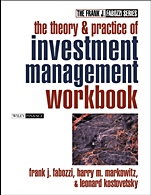
The Theory and Practice of Investment Management Workbook: Step–by–Step Exercises and Tests to Help You Master The Theory and Practice of Investment Management
ISBN 9780471489504
Autor: Harry M. Markowitz, Frank J. Fabozzi, Leonard Kostovetsky
Wydawca: Wiley
Dostępność: 3-6 tygodni
Cena: 313,95 zł
Przed złożeniem zamówienia prosimy o kontakt mailowy celem potwierdzenia ceny.
ISBN13: |
9780471489504 |
ISBN10: |
0471489506 |
Autor: |
Harry M. Markowitz, Frank J. Fabozzi, Leonard Kostovetsky |
Oprawa: |
Paperback |
Rok Wydania: |
2004-02-17 |
Ilość stron: |
420 |
Wymiary: |
226x151 |
Tematy: |
KF |
A practical workbook that promotes the understanding of investment management
The Workbook includes a full answer key and brief chapter summaries, making the information that readers attain from The Theory and Practice of Investment Management (0–471–22889–0) that much more valuable.
Harry M. Markowitz, PhD (San Diego, CA), is a consultant in the finance area. In 1990 he shared the Nobel Prize in Economics for his work in portfolio theory.
Leonard Kostovetsky (Woodmere, NY) is a PhD student in finance at Princeton University. He is the founder of the Princeton Finance and Economics Forum.
Spis treści:
PART ONE: Questions and Problems.
CHAPTER 1: Investment Management.
CHAPTER 2: Portfolio Selection.
CHAPTER 3: Applying Mean–Variance Analysis.
CHAPTER 4: Asset Pricing Models.
CHAPTER 5: Calculating Investment Returns.
CHAPTER 6: Common Stock Markets, Trading Arrangements, and Trading Costs.
CHAPTER 7: Tracking Error and Common Stock Portfolio Management.
CHAPTER 8: Common Stock Portfolio Management Strategies.
CHAPTER 9: Traditional Fundamental Analysis I: Sources of Information.
CHAPTER 10: Traditional Fundamental Analysis II: Financial Ratio Analysis.
CHAPTER 11: Traditional Fundamental Analysis III: Earnings Analysis, Cash Analysis, Dividends, and Dividend Discount Models.
CHAPTER 12: Security Analysis Using Value–Based Metrics.
CHAPTER 13: Multi–Factor Equity Risk Models.
CHAPTER 14: Equity Derivatives I: Features and Valuation.
CHAPTER 15: Equity Derivatives II: Portfolio Management Applications.
CHAPTER 16: Fixed–Income Securities.
CHAPTER 17: Real Estate–Backed Securities.
CHAPTER 18: General Principles of Bond Valuation.
CHAPTER 19: Yield Measures and Forward Rates.
CHAPTER 20: Valuation of Bonds with Embedded Options.
CHAPTER 21: Measuring Interest Rate Risk.
CHAPTER 22: Fixed–Income Portfolio Strategi
es.
CHAPTER 23: Bond Portfolio Analysis Relative to a Benchmark.
CHAPTER 24: Multi–Factor Fixed–Income Risk Models and Their Applications.
CHAPTER 25: Fixed–Income Derivatives and Risk Control.
CHAPTER 26: Investment Companies.
CHAPTER 27: Exchange–Traded Funds.
CHAPTER 28: Real Estate Investment.
CHAPTER 29: Hedge Funds.
CHAPTER 30: Private Equity.
CHAPTER 31: Active Asset Allocation.
PART TWO: Solutions.
CHAPTER 1: Investment Management.
CHAPTER 2: Portfolio Selection.
CHAPTER 3: Applying Mean–Variance Analysis.
CHAPTER 4: Asset Pricing Models.
CHAPTER 5: Calculating Investment Returns.
CHAPTER 6: Common Stock Markets, Trading Arrangements, and Trading Costs.
CHAPTER 7: Tracking Error and Common Stock Portfolio Management 341
CHAPTER 8: Common Stock Portfolio Management Strategies 343
CHAPTER 9: Traditional Fundamental Analysis I: Sources of Information 347
CHAPTER 10: Traditional Fundamental Analysis II: Financial Ratio Analysis 349
CHAPTER 11: Traditional Fundamental Analysis III: Earnings Analysis, Cash Analysis, Dividends, and Dividend Discount Models.
CHAPTER 12: Security Analysis Using Value–Based Metrics.
CHAPTER 13: Multi–Factor Equity Risk Models.
CHAPTER 14: Equity Derivatives I: Features and Valuation.
CHAPTER 15: Equity Derivatives II: Portfolio Management Applications.
CHAPTER 16: Fixed–Income Securities.
CHAPTER 17: Real Estate–Backed Securities.
CHAPTER 18: General Principles of Bond Valuation.
CHAPTER 19: Yield Measures and Forward Rates.
CHAPTER 20: Valuation of Bonds with Embedded Options.
CHAPTER 21: Measuring Interest Rate Risk.
CHAPTER 22: Fixed–Income Portfolio Strategies.
CHAPTER 23: Bond Portfolio Analysis Relative to a Benchmark.
CHAPTER 24: Multi–Factor Fixed–Income Risk Models and Their Applications.
CHAPTER 25: Fixed–Income Derivatives and Risk Cont
rol.
CHAPTER 26: Investment Companies.
CHAPTER 27: Exchange–Traded Funds.
CHAPTER 28: Real Estate Investment.
CHAPTER 29: Hedge Funds.
CHAPTER 30: Private Equity.
CHAPTER 31: Active Asset Allocation.
Koszyk
Książek w koszyku: 0 szt.
Wartość zakupów: 0,00 zł
Informacje


Kontakt
Gambit
Centrum Oprogramowania
i Szkoleń Sp. z o.o.
Al. Pokoju 29b/22-24
31-564 Kraków
Siedziba Księgarni
ul. Kordylewskiego 1
31-542 Kraków
+48 12 410 5991
+48 12 410 5987
+48 12 410 5989
Subskrypcje
Administratorem danych osobowych jest firma Gambit COiS Sp. z o.o. Na podany adres będzie wysyłany wyłącznie biuletyn informacyjny.
Autoryzacja płatności

Informacje na temat autoryzacji płatności poprzez PayU.

© Copyright 2012: GAMBIT COiS Sp. z o.o. Wszelkie prawa zastrzeżone.
Projekt i wykonanie: Alchemia Studio Reklamy