


Wydawcy
Katalog tematyczny
- Archeologia (109)
- Ekonomia, finanse, business (13704)
- Filozofia (1445)
- Historia (3040)
- Języki i językoznawstwo (2356)
- Lifestyle, hobby i rozrywka (475)
- Medycyna (9704)
- Nauki humanistyczne (4)
- Nauki o Ziemi i środowisku (2638)
- Nauki ścisłe (20412)
- Astronomia (294)
- Biologia (5119)
- Chemia (6540)
- Chemia analityczna (361)
- Chemia fizyczna (346)
- Chemia nieorganiczna (137)
- Chemia organiczna (535)
- Krystalografia (27)
- Minerologia (46)
- Fizyka (3309)
- Matematyka (4574)
- Nauki ścisłe, ogólnie (503)
- Nauki społeczne (8486)
- Nauki techniczne (13450)
- Prawo (1696)
- Publikacje informacyjne i interdyscyplinarne (1288)
- Religia i wierzenia (917)
- Technika komputerowa (4067)
- Zdrowie, relacje międzyludzkie i rozwój osobisty (657)





Informacje szczegółowe o książce
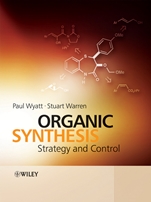
Organic Synthesis: Strategy and Control
ISBN 9780471489405
Autor: Paul Wyatt, Stuart Warren
Wydawca: Wiley
Dostępność: 3-6 tygodni
Cena: 858,90 zł
Przed złożeniem zamówienia prosimy o kontakt mailowy celem potwierdzenia ceny.
ISBN13: |
9780471489405 |
ISBN10: |
0471489409 |
Autor: |
Paul Wyatt, Stuart Warren |
Oprawa: |
Hardback |
Rok Wydania: |
2007-04-20 |
Ilość stron: |
918 |
Wymiary: |
254x189 |
Tematy: |
PN |
Organic Synthesis: Strategy and Control is a sequel to Stuart Warren’s bestseller Organic Synthesis: The Disconnection Approach. The ‘Disconnection’ book concentrated on the planning behind the synthesis of compounds.
The two themes of this new book are strategy and control: solving problems either by finding an alternative strategy or by controlling any established strategy to make it work.
The book is divided into five sections that deal with selectivity, carbon–carbon single bonds, carbon–carbon double bonds, stereochemistry and functional group strategy. Interpenetrating this structure, the 36 chapters start with classic methods and progress to modern methods and modern strategic considerations. Heterocyclic chemistry is treated throughout the book with full mechanistic explanations as part of organic chemistry rather than a separate mystery.
A comprehensive, practical account of the key concepts involved in synthesising compounds.Takes a mechanistic approach, which explains reactions and gives guidelines on how reactions might behave in different situations. Focuses on reactions that really work rather than those with limited application.Extensive, up–to–date references in each chapter.
Students and professional chemists familiar with Organic Synthesis: The Disconnection Approach will enjoy the leap into a book designed for chemists at the coalface of organic synthesis.
Spis treści:
Preface.
A: Introduction: Selectivity.
1. Planning Organic Syntheses: Tactics, Strategy, and Control.
2. Chemoselectivity.
3. Regioselectivity: Controlled Aldol Reactions.
4. Stereoselectivity: Stereoselective Aldol Reactions.
5. Alternative Strategies for Enone Synthesis.
6. Choosing a Strategy : The Synthesis of cyclope
ntenones.
B: Making Carbon–Carbon Bonds.
7. The Ortho Strategy for Aromatic Compounds.
8. δ–Complexes of Metals.
9. Controlling the Michael Reaction.
10. Specific Enol Equivalents.
11. Extended Enolates.
12. Allyl Anions.
13. Homoenolates.
14. Acyl Anion Equivalents.
C: Carbon–Carbon Double Bonds.
15. Synthesis of Double Bonds of Defined Stereochemistry.
16. Stereo–Controlled Vinyl Anion Equivalents.
17. Electrophilic Attack on Alkenes.
18. Vinyl Cations: Palladium–Catalysed C–C Coupling.
19. Allyl Alcohols: Allyl Cation Equivalents (and More).
D: Stereochemistry.
20. Control of Stereochemistry — Introduction.
21 Controlling Relative Stereochemistry.
22. Resolution.
23. The Chiral Pool.
24. Asymmetric Induction I: Reagent–Based Strategy.
25. Asymmetric Induction II: Asymmetric Catalysis: Formation of C–O and C–N Bonds.
26. Asymmetric Induction III: Asymmetric Catalysis: Formation of C–H and C–C Bonds.
27. Asymmetric Induction IV: Substrate–Based Strategy.
28. Kinetic Resolution.
29. Enzymes: Biological Methods in Asymmetric Synthesis.
30. New Chiral Centres from Old — Enantiomerically Pure Compounds & Sophisticated Syntheses.
31. Strategy of Asymmetric Synthesis.
E: Functional Group Strategy.
32. Functionalisation of Pyridine.
33. Oxidation of Aromatic Compounds, Enols and Enolates.
34. Functionality and Pericyclic Reactions: Nitrogen Heterocycles by Cycloadditions and Sigmatropic Rearrangements.
35. Synthesis and Chemistry of Azoles and other Heterocycles with Two or more Heteroatoms.
36. Tandem Organic
Reactions.
General References.
Index.
Nota biograficzna:
Paul Wyatt, Senior Lecturer and Director of Undergraduate Studies, School of Chemistry, University of Bristol, UK and Stuart Warren, Reader in Organic Chemistry, Department of Chemistry, University of Cambridge, UK.
Okładka tylna:
Organic Synthesis: Strategy and Control is a sequel to Stuart Warren’s bestseller Organic Synthesis: The Disconnection Approach. The ‘Disconnection’ book concentrated on the planning behind the synthesis of compounds.
The two themes of this new book are strategy and control: solving problems either by finding an alternative strategy or by controlling any established strategy to make it work.
The book is divided into five sections that deal with selectivity, carbon–carbon single bonds, carbon–carbon double bonds, stereochemistry and functional group strategy. Interpenetrating this structure, the 36 chapters start with classic methods and progress to modern methods and modern strategic considerations. Heterocyclic chemistry is treated throughout the book with full mechanistic explanations as part of organic chemistry rather than a separate mystery.
A comprehensive, practical account of the key concepts involved in synthesising compounds.Takes a mechanistic approach, which explains reactions and gives guidelines on how reactions might behave in different situations. Focuses on reactions that really work rather than those with limited application.Extensive, up–to–date references in each chapter.
Students and professional chemists familiar with Organic Synthesis: The Disconnection Approach will enjoy the leap into a book designed for chemists at the coalface of organic synthesis.
Koszyk
Książek w koszyku: 0 szt.
Wartość zakupów: 0,00 zł
Informacje


Kontakt
Gambit
Centrum Oprogramowania
i Szkoleń Sp. z o.o.
Al. Pokoju 29b/22-24
31-564 Kraków
Siedziba Księgarni
ul. Kordylewskiego 1
31-542 Kraków
+48 12 410 5991
+48 12 410 5987
+48 12 410 5989
Subskrypcje
Administratorem danych osobowych jest firma Gambit COiS Sp. z o.o. Na podany adres będzie wysyłany wyłącznie biuletyn informacyjny.
Autoryzacja płatności

Informacje na temat autoryzacji płatności poprzez PayU.

© Copyright 2012: GAMBIT COiS Sp. z o.o. Wszelkie prawa zastrzeżone.
Projekt i wykonanie: Alchemia Studio Reklamy