


Wydawcy
Katalog tematyczny
- Archeologia (109)
- Ekonomia, finanse, business (13704)
- Filozofia (1445)
- Historia (3040)
- Języki i językoznawstwo (2356)
- Lifestyle, hobby i rozrywka (475)
- Medycyna (9704)
- Nauki humanistyczne (4)
- Nauki o Ziemi i środowisku (2638)
- Nauki ścisłe (20412)
- Astronomia (294)
- Biologia (5119)
- Chemia (6540)
- Chemia analityczna (361)
- Chemia fizyczna (346)
- Chemia nieorganiczna (137)
- Chemia organiczna (535)
- Krystalografia (27)
- Minerologia (46)
- Fizyka (3309)
- Matematyka (4574)
- Nauki ścisłe, ogólnie (503)
- Nauki społeczne (8486)
- Nauki techniczne (13450)
- Prawo (1696)
- Publikacje informacyjne i interdyscyplinarne (1288)
- Religia i wierzenia (917)
- Technika komputerowa (4067)
- Zdrowie, relacje międzyludzkie i rozwój osobisty (657)





Informacje szczegółowe o książce
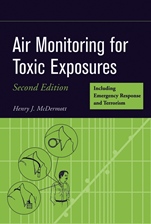
Air Monitoring for Toxic Exposures
ISBN 9780471454359
Autor: Henry J. McDermott
Wydawca: Wiley
Dostępność: 3-6 tygodni
Cena: 892,50 zł
Przed złożeniem zamówienia prosimy o kontakt mailowy celem potwierdzenia ceny.
ISBN13: |
9780471454359 |
ISBN10: |
0471454354 |
Autor: |
Henry J. McDermott |
Oprawa: |
Hardback |
Rok Wydania: |
2004-10-05 |
Numer Wydania: |
2nd Edition |
Ilość stron: |
688 |
Wymiary: |
261x188 |
Tematy: |
PN |
An invaluable resource for using air monitoring for industrial hygiene and emergency response––now updated and revised
Since the publication of the first edition of Air Monitoring for Toxic Exposures, important changes have occurred in the field of air sampling. Technological advances have led to measurement instruments with greater portability, sensitivity, and complexity. In addition, emergency response and planning personnel now require certain air monitoring skills to be prepared for terrorist incidents that could involve airborne agents. Air Monitoring for Toxic Exposures, Second Edition covers all these developments and more, making it the most in–depth, comprehensive, and up–to–date reference on the subject available.
This book offers ready–to–use information for measuring a wide variety of airborne hazardous materials including chemicals, radon, and bioaerosols. It provides the practical procedures needed for air sampling, collecting biological and bulk samples, evaluating dermal exposures, and determining the advantages and limitations of a given air monitoring method.
Seasoned industrial hygienists will appreciate the text’s detailed coverage of the latest sampling equipment. Other safety professionals–who may not have or require as detailed a technical understanding–will value the book’s "start–to–finish" overview of the subject. And, specifically for fire service, hazmat, and other emergency specialists, a new chapter functions as a stand–alone guide to air monitoring for emergency and terrorism response.
Other new or greatly revised chapters cover:A general overview for less technical readersHow to plan monitoring and use a statistical sampling approachMonitoring using "sample collection devices"Sample collection device methods for aerosolsInstruments with sensors for specific chemicalsInstru
ments for multiple gases and vaporsColorimetric systems for gas and vapor samplingSampling for bioaerosols including moldPassive monitoring devices
A clear style, numerous illustrations and photographs, and easy–to–apply instructions make
Air Monitoring for Toxic Exposures, Second Edition an accessible resource for nontechnical or student readers, while its depth of coverage ensures its place as the most comprehensive professional reference on the subject available.
Spis treści:
Preface.
PART I: BACKGROUND CONCEPTS FOR AIR MONITORING.
1. Air Monitoring review.
2. Hazards.
3. Exposure Assessment Strategy and Monitoring Plan.
4. Air Monitoring at Emergencies Including Terrorism Events.
PART II: SAMPLE COLLECTION DEVICE METHODS FOR CHEMICALS.
5. Introduction to Monitoring Using Sample Collection Devices.
6. Sample Collection Device Methods for Gases and Vapors.
7. Sample Collection Device Methods for Aerosols.
8. Concurrent Sampling for Vapors and Aerosols.
PART III: REAL–TIME MGEASUREMENT INSTRUEMENTS.
9. Introduction to Monitoring Using Real–Time Methods.
10. Instrument with Sensors for Specific Chemicals.
11. General Survey Instruments for Gases and Vapors.
12. Instruments for Multiple Specific Gases and Vapors: GC, GC/MS, and IR.
13. Colorimetric Systems for Gas and Vapor Sampling.
14. Real–Time Sampling Methods for Aerosols.
PART IV: MINITORING FOR AIRBORNE AGENTS OTHER THAN CHEMICALS.
15. Radon Measurements.
16. Sampling for Bioaerosols.
PART V: SPECIFIC SAMPLING APPLICATIONS AND SUPPLEMENTARY INFORMATION.
17. Specific Sampling Situations.
18. Biological Monitoring.
19. Surface Sampling Methods.
20. Bulk Sampling Methods.
Appendix A: Air Sampling Procedures.
Appendix B: Gas and Vapor Calibrations.
Appendix C: Field Calibration of Gas and Vapor Sensors.
Appendi
x D: Chemical–Specific Guidelines for Air Sampling and Analysis.
Index.
Nota biograficzna:
HENRY J. McDERMOTT is President and Principal Scientist for H. J. McDermott, Inc., which provides professional consulting services in the general area of occupational safety and health, with emphasis in improving safety, health, and environmental performance; risk–based preventive programs; emergency response; ventilation; litigation support; increasing safety; and health staff efficiency and impact.
Okładka tylna:
An invaluable resource for using air monitoring for industrial hygiene and emergency response––now updated and revised
Since the publication of the first edition of Air Monitoring for Toxic Exposures, important changes have occurred in the field of air sampling. Technological advances have led to measurement instruments with greater portability, sensitivity, and complexity. In addition, emergency response and planning personnel now require certain air monitoring skills to be prepared for terrorist incidents that could involve airborne agents. Air Monitoring for Toxic Exposures, Second Edition covers all these developments and more, making it the most in–depth, comprehensive, and up–to–date reference on the subject available.
This book offers ready–to–use information for measuring a wide variety of airborne hazardous materials including chemicals, radon, and bioaerosols. It provides the practical procedures needed for air sampling, collecting biological and bulk samples, evaluating dermal exposures, and determining the advantages and limitations of a given air monitoring method.
Seasoned industrial hygienists will appreciate the text’s detailed coverage of the latest sampling equipment. Other safety professionals–who may not have or require as detailed a technical understanding–will value the book’s "start–to–finish" overvi
ew of the subject. And, specifically for fire service, hazmat, and other emergency specialists, a new chapter functions as a stand–alone guide to air monitoring for emergency and terrorism response.
Other new or greatly revised chapters cover:A general overview for less technical readersHow to plan monitoring and use a statistical sampling approachMonitoring using "sample collection devices"Sample collection device methods for aerosolsInstruments with sensors for specific chemicalsInstruments for multiple gases and vaporsColorimetric systems for gas and vapor samplingSampling for bioaerosols including moldPassive monitoring devices
A clear style, numerous illustrations and photographs, and easy–to–apply instructions make
Air Monitoring for Toxic Exposures, Second Edition an accessible resource for nontechnical or student readers, while its depth of coverage ensures its place as the most comprehensive professional reference on the subject available.
Koszyk
Książek w koszyku: 0 szt.
Wartość zakupów: 0,00 zł
Informacje


Kontakt
Gambit
Centrum Oprogramowania
i Szkoleń Sp. z o.o.
Al. Pokoju 29b/22-24
31-564 Kraków
Siedziba Księgarni
ul. Kordylewskiego 1
31-542 Kraków
+48 12 410 5991
+48 12 410 5987
+48 12 410 5989
Subskrypcje
Administratorem danych osobowych jest firma Gambit COiS Sp. z o.o. Na podany adres będzie wysyłany wyłącznie biuletyn informacyjny.
Autoryzacja płatności

Informacje na temat autoryzacji płatności poprzez PayU.

© Copyright 2012: GAMBIT COiS Sp. z o.o. Wszelkie prawa zastrzeżone.
Projekt i wykonanie: Alchemia Studio Reklamy