


Wydawcy
Katalog tematyczny
- Archeologia (109)
- Ekonomia, finanse, business (13704)
- Filozofia (1445)
- Historia (3040)
- Języki i językoznawstwo (2356)
- Lifestyle, hobby i rozrywka (475)
- Medycyna (9704)
- Nauki humanistyczne (4)
- Nauki o Ziemi i środowisku (2638)
- Nauki ścisłe (20412)
- Astronomia (294)
- Biologia (5119)
- Chemia (6540)
- Chemia analityczna (361)
- Chemia fizyczna (346)
- Chemia nieorganiczna (137)
- Chemia organiczna (535)
- Krystalografia (27)
- Minerologia (46)
- Fizyka (3309)
- Matematyka (4574)
- Nauki ścisłe, ogólnie (503)
- Nauki społeczne (8486)
- Nauki techniczne (13450)
- Prawo (1696)
- Publikacje informacyjne i interdyscyplinarne (1288)
- Religia i wierzenia (917)
- Technika komputerowa (4067)
- Zdrowie, relacje międzyludzkie i rozwój osobisty (657)





Informacje szczegółowe o książce
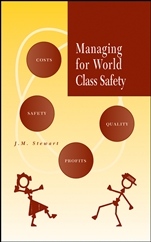
Managing for World Class Safety
ISBN 9780471443865
Autor: James Melville Stewart
Wydawca: Wiley
Dostępność: 3-6 tygodni
Cena: 638,40 zł
Przed złożeniem zamówienia prosimy o kontakt mailowy celem potwierdzenia ceny.
ISBN13: |
9780471443865 |
ISBN10: |
0471443867 |
Autor: |
James Melville Stewart |
Oprawa: |
Hardback |
Rok Wydania: |
2001-11-09 |
Ilość stron: |
296 |
Wymiary: |
242x164 |
Tematy: |
PN |
Replace anecdotal guesswork with quantitative fact when evaluating safety management
Despite the extensive literature on safety, few tools have been available to help managers quantitatively assess the level of safety management and the quality of the safety practices in organizations. In his consulting practice, Dr. Jim Stewart, a former executive at DuPont, developed such a method, crafting a safety survey centering on a comprehensive questionnaire for employees at all levels, that reveals the true level of corporate commitment to safety.
Managing for World Class Safety first describes the model of safety management that underpins the questionnaire and then demonstrates how this innovative procedure illuminates critical intangibles like management commitment, the enforcement of rules, worker involvement, and injury investigation.
The central part of this book is the description of research at the University of Toronto that applies the questionnaire in comprehensive research at five of the world’s safest companies and five with very poor safety. The questionnaire polled 700 people in the ten companies, "measuring" the level of more than twenty key elements such as:The workers’ perception of the priority given to safetyThe belief that all injuries can be preventedThe extent to which line management takes responsibility/accountability for safetyHow well safety rules are followed and enforcedThe frequency and quality of safety meetingsThe level of recognition to reinforce safety excellenceIn every element, the contrast between the responses from the very safe companies and those from the companies with poor safety was dramatic, clearly depicting where the former succeed and the latter fail
By developing quantitative benchmark data, Stewart reasons that it will be easier to convince reluctant management to undertake the fundamental change necessary for a "step change" in their company performance. Man
aging for World Class Safety promises a revolutionary new approach to workplace safety improvement for corporate leaders, safety professionals, and regulators.
Spis treści:
Foreword.
Preface.
Acknowledgments.
Introduction.
The Model of Safety Management.
The Safety Questionnaire.
Selection of Companies for Research.
Research Methodology.
Analysis of the Questionnaire Results.
The Safety Management Approaches of Five Very Safe Companies.
Conclusions –
How Companies Achieve Excellence in Safety.
Applying the Results of the Research.
Appendix A: References and End–Notes.
Appendix B: Nomenclature.
Appendix C: Questions for Interviews of Company Leaders.
Appendix D: Statistical Analysis of Data.
Appendix E: The Safety Questionnaire.
Appendix F: Tables of Detailed Results.
Appendix G: About the Author.
Index.
Nota biograficzna:
J. M. (JIM) STEWART, PhD, a safety management consultant and former executive at DuPont, served as Executive–in–Residence at the Rotman School of Management at the University of Toronto from 1991 to 1998 during which time research for this study was undertaken.
Okładka tylna:
Replace anecdotal guesswork with quantitative fact when evaluating safety management
Despite the extensive literature on safety, few tools have been available to help managers quantitatively assess the level of safety management and the quality of the safety practices in organizations. In his consulting practice, Dr. Jim Stewart, a former executive at DuPont, developed such a method, crafting a safety survey centering on a comprehensive questionnaire for employees at all levels, that reveals the true level of corporate commitment to safety.
Managing for World Class Safety first describes the model of safety management that underpins the questionnaire and then demonstrates how this innovative procedure illuminates critica
l intangibles like management commitment, the enforcement of rules, worker involvement, and injury investigation.
The central part of this book is the description of research at the University of Toronto that applies the questionnaire in comprehensive research at five of the world’s safest companies and five with very poor safety. The questionnaire polled 700 people in the ten companies, "measuring" the level of more than twenty key elements such as:The workers’ perception of the priority given to safetyThe belief that all injuries can be preventedThe extent to which line management takes responsibility/accountability for safetyHow well safety rules are followed and enforcedThe frequency and quality of safety meetingsThe level of recognition to reinforce safety excellenceIn every element, the contrast between the responses from the very safe companies and those from the companies with poor safety was dramatic, clearly depicting where the former succeed and the latter fail
By developing quantitative benchmark data, Stewart reasons that it will be easier to convince reluctant management to undertake the fundamental change necessary for a "step change" in their company performance. Managing for World Class Safety promises a revolutionary new approach to workplace safety improvement for corporate leaders, safety professionals, and regulators.
Koszyk
Książek w koszyku: 0 szt.
Wartość zakupów: 0,00 zł
Informacje


Kontakt
Gambit
Centrum Oprogramowania
i Szkoleń Sp. z o.o.
Al. Pokoju 29b/22-24
31-564 Kraków
Siedziba Księgarni
ul. Kordylewskiego 1
31-542 Kraków
+48 12 410 5991
+48 12 410 5987
+48 12 410 5989
Subskrypcje
Administratorem danych osobowych jest firma Gambit COiS Sp. z o.o. Na podany adres będzie wysyłany wyłącznie biuletyn informacyjny.
Autoryzacja płatności

Informacje na temat autoryzacji płatności poprzez PayU.

© Copyright 2012: GAMBIT COiS Sp. z o.o. Wszelkie prawa zastrzeżone.
Projekt i wykonanie: Alchemia Studio Reklamy