


Wydawcy
Katalog tematyczny
- Archeologia (109)
- Ekonomia, finanse, business (13704)
- Filozofia (1445)
- Historia (3040)
- Języki i językoznawstwo (2356)
- Lifestyle, hobby i rozrywka (475)
- Medycyna (9704)
- Nauki humanistyczne (4)
- Nauki o Ziemi i środowisku (2638)
- Nauki ścisłe (20412)
- Astronomia (294)
- Biologia (5119)
- Chemia (6540)
- Chemia analityczna (361)
- Chemia fizyczna (346)
- Chemia nieorganiczna (137)
- Chemia organiczna (535)
- Krystalografia (27)
- Minerologia (46)
- Fizyka (3309)
- Matematyka (4574)
- Nauki ścisłe, ogólnie (503)
- Nauki społeczne (8486)
- Nauki techniczne (13450)
- Prawo (1696)
- Publikacje informacyjne i interdyscyplinarne (1288)
- Religia i wierzenia (917)
- Technika komputerowa (4067)
- Zdrowie, relacje międzyludzkie i rozwój osobisty (657)





Informacje szczegółowe o książce
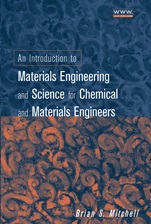
An Introduction to Materials Engineering and Science for Chemical and Materials Engineers
ISBN 9780471436232
Autor: Brian S. Mitchell
Wydawca: Wiley
Dostępność: 3-6 tygodni
Cena: 957,60 zł
Przed złożeniem zamówienia prosimy o kontakt mailowy celem potwierdzenia ceny.
ISBN13: |
9780471436232 |
ISBN10: |
0471436232 |
Autor: |
Brian S. Mitchell |
Oprawa: |
Hardback |
Rok Wydania: |
2004-01-09 |
Ilość stron: |
976 |
Wymiary: |
264x185 |
Tematy: |
PN |
A solid background in materials engineering and science
An understanding of chemical structure and engineering fundamentals leads to further understanding the properties and applications of engineering materials, forming the core knowledge for the future chemical or materials engineer. This knowledge is playing an increasing role in fields such as biomedical or electrical engineering. Therefore, today′s introductory materials science course must provide a solid traditional foundation that will help engineers understand and evaluate emerging topics in this rapidly evolving area.
An Introduction to Materials Engineering and Science for Chemical and Materials Engineers is organized by both engineering subject area and materials class to give instructors versatility in structuring and presenting their courses. Detailed sections on metals and ceramics contain all the contents of a standard course. More advanced topics–found in sections on polymers, composites, and biomaterials–also receive ample and equivalent coverage. All topics are presented from the standpoint of fundamental engineering concepts of thermodynamics, kinetics, and transport phenomena. Additional engineering topics of materials processing and materials selection and design provide important practical instruction for tomorrow′s materials engineers.
Ideal for either a one– or two–semester undergraduate course, An Introduction to Materials Engineering and Science for Chemical and Materials Engineers provides a unique educational tool for the student. Resources for learning include:Cooperative learning exercises with example problems geared towards active learning principlesInstructional objectives to assist both students and teachers in determining the extent and depth of understanding required for each topic, and to assist in course assessment for accreditation purposesDetailed case studies in materials selection, application, and
designEnd–of–chapter references for supplemental readingLinks to Web–based information and graphicsExtensive materials property data
Students and teachers of chemical or materials engineering, as well as those of biomedical, mechanical, electrical, or civil engineering, will all find this book an invaluable resource for establishing a solid understanding of the field.
Spis treści:
Preface.
Acknowledgments.
1 The Structure of Materials.
1.0 Introduction and Objectives.
1.1 Structure of Metals and Alloys.
1.2 Structure of Ceramics and Glasses.
1.3 Structure of Polymers.
1.4 Structure of Composites.
1.5 Structure of Biologics.
References.
Problems.
2 Thermodynamics of Condensed Phases.
2.0 Introduction and Objectives.
2.1 Thermodynamics of Metals and Alloys.
2.2 Thermodynamics of Ceramics and Glasses.
2.3 Thermodynamics of Polymers.
2.4 Thermodynamics of Composites.
2.5 Thermodynamics of Biologics.
References.
Problems.
3 Kinetic Processes in Materials.
3.0 Introduction and Objectives.
3.1 Kinetic Processes in Metals and Alloys.
3.2 Kinetic Processes in Ceramics and Glasses∗.
3.3 Kinetic Processes in Polymers.
3.4 Kinetic Processes in Composites∗.
3.5 Kinetic Processes in Biologics∗.
References.
Problems.
4 Transport Properties of Materials.
4.0 Introduction and Objectives.
4.1 Momentum Transport Properties of Materials∗.
4.2 Heat Transport Properties of Materials.
4.3 Mass Transport Properties of Materials∗.
References.
Problems.
5 Mechanics of Materials.
5.0 Introduction and Objectives.
5.1 Mechanics of Metals and Alloys.
5.2 Mechanics of Ceramics and Glasses.
5.3 Mechanics of Polymers.
5.4 Mechanics of Composites.
5.5 Mechanics of Biologics.
References.
Problems.
6 Electrical, Magnetic, and Optical Properti
es of Materials.
6.1 Electrical Properties of Materials.
6.2 Magnetic Properties of Materials.
6.3 Optical Properties of Materials.
References.
Problems.
7 Processing of Materials.
7.0 Introduction.
7.1 Processing of Metals and Alloys.
7.2 Processing of Ceramics and Glasses.
7.3 Processing of Polymers.
7.4 Processing of Composites.
7.5 Processing of Biologics.
References.
Problems.
8 Case Studies in Materials Selection.
8.0 Introduction and Objectives.
8.1 Selection of Metals for a Compressed Air Tank.
8.2 Selection of Ceramic Piping for Coal Slurries in a Coal Liquefaction Plant.
8.3 Selection of Polymers for Packaging.
8.4 Selection of a Composite for an Automotive Drive Shaft.
8.5 Selection of Materials as Tooth Coatings.
References.
Problems.
Appendix 1: Energy Values for Single Bonds.
Appendix 2: Structure of Some Common Polymers.
Appendix 3: Composition of Common Alloys.
Appendix 4: Surface and Interfacial Energies.
Appendix 5: Thermal Conductivities of Selected Materials.
Appendix 6: Diffusivities in Selected Systems.
Appendix 7: Mechanical Properties of Selected Materials.
Appendix 8: Electrical Conductivity of Selected Materials.
Appendix 9: Refractive Index of Selected Materials.
Answers to Selected Problems.
Index.
∗Sections marked with an asterisk can be omitted in an introductory course.
Nota biograficzna:
BRIAN S. MITCHELL, PhD, is Professor in the Department of Chemical and Biomolecular Engineering at Tulane University in New Orleans, Louisiana. He is also the Associate Director of the Tulane Institute for Macromolecular Engineering and Science.
Okładka tylna:
A solid background in materials engineering and science
An understanding of chemical structure and engineering fundamentals leads to further understanding the properties and applications of engineering materials,
forming the core knowledge for the future chemical or materials engineer. This knowledge is playing an increasing role in fields such as biomedical or electrical engineering. Therefore, today′s introductory materials science course must provide a solid traditional foundation that will help engineers understand and evaluate emerging topics in this rapidly evolving area.
An Introduction to Materials Engineering and Science for Chemical and Materials Engineers is organized by both engineering subject area and materials class to give instructors versatility in structuring and presenting their courses. Detailed sections on metals and ceramics contain all the contents of a standard course. More advanced topics–found in sections on polymers, composites, and biomaterials–also receive ample and equivalent coverage. All topics are presented from the standpoint of fundamental engineering concepts of thermodynamics, kinetics, and transport phenomena. Additional engineering topics of materials processing and materials selection and design provide important practical instruction for tomorrow′s materials engineers.
Ideal for either a one– or two–semester undergraduate course, An Introduction to Materials Engineering and Science for Chemical and Materials Engineers provides a unique educational tool for the student. Resources for learning include:Cooperative learning exercises with example problems geared towards active learning principlesInstructional objectives to assist both students and teachers in determining the extent and depth of understanding required for each topic, and to assist in course assessment for accreditation purposesDetailed case studies in materials selection, application, and designEnd–of–chapter references for supplemental readingLinks to Web–based information and graphicsExtensive materials property data
Students and teachers of chemical or materials engi
Koszyk
Książek w koszyku: 0 szt.
Wartość zakupów: 0,00 zł
Informacje


Kontakt
Gambit
Centrum Oprogramowania
i Szkoleń Sp. z o.o.
Al. Pokoju 29b/22-24
31-564 Kraków
Siedziba Księgarni
ul. Kordylewskiego 1
31-542 Kraków
+48 12 410 5991
+48 12 410 5987
+48 12 410 5989
Subskrypcje
Administratorem danych osobowych jest firma Gambit COiS Sp. z o.o. Na podany adres będzie wysyłany wyłącznie biuletyn informacyjny.
Autoryzacja płatności

Informacje na temat autoryzacji płatności poprzez PayU.

© Copyright 2012: GAMBIT COiS Sp. z o.o. Wszelkie prawa zastrzeżone.
Projekt i wykonanie: Alchemia Studio Reklamy