


Wydawcy
Katalog tematyczny
- Archeologia (109)
- Ekonomia, finanse, business (13704)
- Filozofia (1445)
- Historia (3040)
- Języki i językoznawstwo (2356)
- Lifestyle, hobby i rozrywka (475)
- Medycyna (9704)
- Nauki humanistyczne (4)
- Nauki o Ziemi i środowisku (2638)
- Nauki ścisłe (20412)
- Astronomia (294)
- Biologia (5119)
- Biochemia (575)
- Biologia człowieka (14)
- Biologia komórkowa (377)
- Biologia molekularna (398)
- Biologia rozwoju (130)
- Biologia, ogólnie (1277)
- Botanika (280)
- Hydrobiologia (92)
- Mikrobiologia (363)
- Mykologia (22)
- Zoologia (303)
- Chemia (6540)
- Fizyka (3309)
- Matematyka (4574)
- Nauki ścisłe, ogólnie (503)
- Nauki społeczne (8486)
- Nauki techniczne (13450)
- Prawo (1696)
- Publikacje informacyjne i interdyscyplinarne (1288)
- Religia i wierzenia (917)
- Technika komputerowa (4067)
- Zdrowie, relacje międzyludzkie i rozwój osobisty (657)





Informacje szczegółowe o książce
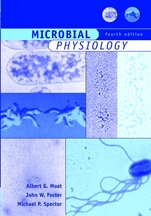
Microbial Physiology
ISBN 9780471394839
Autor: Albert G. Moat, John W. Foster, Michael P. Spector
Wydawca: Wiley
Dostępność: 3-6 tygodni
Cena: 779,10 zł
Przed złożeniem zamówienia prosimy o kontakt mailowy celem potwierdzenia ceny.
ISBN13: |
9780471394839 |
ISBN10: |
0471394831 |
Autor: |
Albert G. Moat, John W. Foster, Michael P. Spector |
Oprawa: |
Paperback |
Rok Wydania: |
2002-08-15 |
Numer Wydania: |
4th Edition |
Ilość stron: |
716 |
Wymiary: |
253x183 |
Tematy: |
PS |
Microbial physiology is the study of the structure, function, energy metabolism, growth, and regulatory mechanisms of microorganisms. The physiology of microorganisms can be used as a model for the metabolic processes common to all living things. Microbial Physiology emphasizes the incredible diversity exhibited by microorganisms in disparate environments, and reveals how genomic approaches can now be used to integrate knowledge of the genetics and molecular biology of an organism with its physiology and metabolism. The Fourth Edition presents genetic and biochemical aspects of how the microbial cell operates, thereby providing a comprehensive reference for anyone wishing to understand the mechanisms underlying cell survival and growth. In addition to these features, this timely volume also:
∗ Retains the logical, easy–to–follow organization of the previous editions: introduction to cell structure and synthesis of cell components, followed by detailed discussions of genetics, metabolism, growth, and regulation
∗ Approaches the subject from a modern molecular genetic perspective
∗ Includes many new and extensively reillustrated figures
∗ Reflects new insights gained from genome projects and features a new chapter on genomics and proteomics
∗ Includes an entirely new chapter on host–parasite interactions, covering the molecular and genetic factors involved in microbial pathogenesis
∗ Presents a thorough revision of sections on amino acids and cell division
∗ Places greater emphasis throughout the text on bacterial responses to environmental stress and features a new chapter devoted to microbial stress responses
∗ Offers new treatments of chaperones, protein folding, programmed cell death, alternative sigma factors, anti–sigma factors, synthesis of cell walls and membranes, mitochondrial evolution, nitrogen fixation, extremophiles, stationary phase regulation, and integrons
∗ Provides extensive updates on all aspects of microbial physiology such as DNA replication, transcription, translation, genetic exchange mechanisms, DNA repair, protein secretion, gene regulation, plasmid addiction, quorum sensing, chemotaxis, protein processing, energy metabolism, bacteriophage, and many others
Professional microbiologists, researchers employed in the biotechnology and pharmaceutical industries, and advanced undergraduate and graduate students in microbiology will find the Fourth Edition of Microbial Physiology a valuable addition to their libraries.
Spis treści:
Preface.
1. Introduction to Microbial Physiology.
2. Macromolecular Synthesis and Processing: DNA, RNA, and Protein Synthesis.
3. Bacterial Genetics: DNA Exchange, Recombination, Mutagenesis and Repair.
4. Microbial Physiology in the Genomic ERA: A Revolutionary Tale.
5. Regulation of Prokaryotic Gene Expression.
6. Bacteriophage Genetics.
7. Cell Structure and Function.
8. Central Pathways of Carbohydrate Metabolism.
9. Energy Production and Metabolite Transport.
10. Metabolism of Substrates Other than Glucose.
11. Fermentation Pathways.
12. Photosynthesis and Inorganic Metabolism.
13. Lipids and Sterols.
14. Nitrogen Metabolism.
15. Biosynthesis and Metabolism of Amino Acids.
16. Purines and Pyrimidines.
17. Bacterial Cell Division.
18. Microbial Stress Responses.
19. Bacterial Differentiation.
20. Host–Parasite Interactions.
Index.
Okładka tylna:
Microbial physiology is the study of the structure, function, energy metabolism, growth, and regulatory mechanisms of microorganisms. The physiology of microorganisms can be used as a model for the metabolic processes common to all living things. Microbial Physiology emphasizes the incredible diversity exhibited by microorganisms in disparate environments, and reveals how genomic approaches can now be used to integrate
knowledge of the genetics and molecular biology of an organism with its physiology and metabolism. The Fourth Edition presents genetic and biochemical aspects of how the microbial cell operates, thereby providing a comprehensive reference for anyone wishing to understand the mechanisms underlying cell survival and growth. In addition to these features, this timely volume also:
∗ Retains the logical, easy–to–follow organization of the previous editions: introduction to cell structure and synthesis of cell components, followed by detailed discussions of genetics, metabolism, growth, and regulation
∗ Approaches the subject from a modern molecular genetic perspective
∗ Includes many new and extensively reillustrated figures
∗ Reflects new insights gained from genome projects and features a new chapter on genomics and proteomics
∗ Includes an entirely new chapter on host–parasite interactions, covering the molecular and genetic factors involved in microbial pathogenesis
∗ Presents a thorough revision of sections on amino acids and cell division
∗ Places greater emphasis throughout the text on bacterial responses to environmental stress and features a new chapter devoted to microbial stress responses
∗ Offers new treatments of chaperones, protein folding, programmed cell death, alternative sigma factors, anti–sigma factors, synthesis of cell walls and membranes, mitochondrial evolution, nitrogen fixation, extremophiles, stationary phase regulation, and integrons
∗ Provides extensive updates on all aspects of microbial physiology such as DNA replication, transcription, translation, genetic exchange mechanisms, DNA repair, protein secretion, gene regulation, plasmid addiction, quorum sensing, chemotaxis, protein processing, energy metabolism, bacteriophage, and many others
Professional microbiologists, researchers employed in the biotechnology and pharmaceutical ind
ustries, and advanced undergraduate and graduate students in microbiology will find the Fourth Edition of Microbial Physiology a valuable addition to their libraries.
Koszyk
Książek w koszyku: 0 szt.
Wartość zakupów: 0,00 zł
Informacje


Kontakt
Gambit
Centrum Oprogramowania
i Szkoleń Sp. z o.o.
Al. Pokoju 29b/22-24
31-564 Kraków
Siedziba Księgarni
ul. Kordylewskiego 1
31-542 Kraków
+48 12 410 5991
+48 12 410 5987
+48 12 410 5989
Subskrypcje
Administratorem danych osobowych jest firma Gambit COiS Sp. z o.o. Na podany adres będzie wysyłany wyłącznie biuletyn informacyjny.
Autoryzacja płatności

Informacje na temat autoryzacji płatności poprzez PayU.

© Copyright 2012: GAMBIT COiS Sp. z o.o. Wszelkie prawa zastrzeżone.
Projekt i wykonanie: Alchemia Studio Reklamy