


Wydawcy
Katalog tematyczny
- Archeologia (109)
- Ekonomia, finanse, business (13704)
- Filozofia (1445)
- Historia (3040)
- Języki i językoznawstwo (2356)
- Lifestyle, hobby i rozrywka (475)
- Medycyna (9704)
- Nauki humanistyczne (4)
- Nauki o Ziemi i środowisku (2638)
- Nauki ścisłe (20412)
- Nauki społeczne (8486)
- Edukacja (229)
- Kryminologia, opieka spełeczna (284)
- Obronność (10)
- Polityka (1389)
- Psychologia (777)
- Socjologia (410)
- Społeczeństwo i kultura (187)
- Nauki techniczne (13450)
- Prawo (1696)
- Publikacje informacyjne i interdyscyplinarne (1288)
- Religia i wierzenia (917)
- Technika komputerowa (4067)
- Zdrowie, relacje międzyludzkie i rozwój osobisty (657)





Informacje szczegółowe o książce
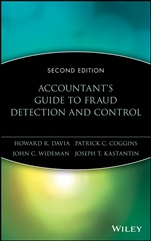
Accountants Guide to Fraud Detection and Control
ISBN 9780471353782
Autor: Howard R. Davia, Patrick C. Coggins, John C. Wideman, Joseph T. Kastantin
Wydawca: Wiley
Dostępność: 3-6 tygodni
Cena: 638,40 zł
Przed złożeniem zamówienia prosimy o kontakt mailowy celem potwierdzenia ceny.
ISBN13: |
9780471353782 |
ISBN10: |
0471353787 |
Autor: |
Howard R. Davia, Patrick C. Coggins, John C. Wideman, Joseph T. Kastantin |
Oprawa: |
Hardback |
Rok Wydania: |
2000-03-20 |
Numer Wydania: |
2nd Edition |
Ilość stron: |
384 |
Wymiary: |
240x164 |
Tematy: |
JBVC |
From internal control structures that are not fraud–specific to insufficient communication in the fraud discovery–to–investigation and conviction process, fraudulent activity is a widespread fact of life in the business world. Historically, the corporate tendency has been to react to fraud after the fact, rather than to be proactive in its prevention. And in most cases, blame is directed at accountants and auditors. Unfortunately, these officers are rarely provided with the resources, proper training, and commitment from top management that are essential to effective fraud detection and control. The Accountant’s Guide to Fraud Detection and Control offers comprehensive direction for this largely uncharted area.
Two types of fraud are addressed in this book: fraudulent financial reporting, also known as "Treadway" fraud, usually originating in the top management sector; and "asset–theft" fraud, the more common and more costly type, likely to be practiced by virtually anyone, including outsiders. Treadway fraud is being adequately detected by independent auditors (CPAs) in their annual audits. Asset–theft fraud is not being adequately detected by anyone, with very few exceptions. From following clues to achieving a prosecution, here is sound advice that accountants and auditors will find invaluable.
Businesses lose over $100 billion a year to fraud. Only 20 percent is discovered. Who’s to blame?
Accountants and internal auditors are often the scapegoats for management’s insufficient fraud detection operations and guidelines. At last, here is comprehensive, intermediate training for evaluating, devising, and installing fraud–specific internal controls, and for conducting proactive fraud–specific examinations. Including actual case studies, the authors show accountants and auditors how to:Anticipate problems and follow cluesSuccessfully disclose fraudCompile the evidence nece
ssary to prosecute acts of fraudDevelop investigative techniquesCreate effective internal controls . . . and much more, to fill the needs of this crucial area.
www.wiley.com/account ing
Spis treści:
FRAUD–SPECIFIC EXAMINATIONS AND INTERNAL CONTROL.
Audit Responsibility for Fraud Detection After Cohen and Treadway.
New Perspectives on Fraud.
Principles and Standards for Fraud–Specific Examinations.
Classifying Fraud for Improved Detection.
Internal Control and Fraud–Specific Internal Control.
Establishing and Operating an Effective Fraud–Specific Internal Control System: Seven Steps to Internal Control.
Computer Fraud 101.
Fraud Case Studies.
Fraud Case Studies––Solutions.
Custodial Fraud.
INVESTIGATING FRAUD.
Investigating Suspected Fraud.
Proactive and Reactive Investigations.
PROSECUTING FRAUD.
Rules of Evidence, Fraud Discovery, and Prosecution.
The Legal Cases in Fraud.
Ethical Conduct and Fraud Prevention.
Bibliography.
Index.
Nota biograficzna:
Howard R. Davia, CPA, has over 30 years of experience in government, industry, and public accounting. He was president and cofounder of Executive Education Series, Inc., and has taught and lectured widely on the subject of fraud detection and control.
Patrick C. Coggins, PhD, is the Dupont Endowed Chair Professor at Stetson University and holds JD and PhD degrees in Administration and Adult Development and Education. He has over 28 years of experience in governmental and public sector financial management, legal issues, organizational diagnosis, and income taxes. He has published books, articles, and papers nationally and has extensive lecturing and consulting experience.
John C. Wideman, PhD, has over 28 years of experience in the civil, criminal, and military intelligence fields as an investigator at the fede
ral and state levels, and as a private practitioner. He has taught investigative courses for the U.S. government and several state agencies, and is currently a practicing private investigator.
Joseph T. Kastantin, CPA, is a consultant, author, and assistant professor of accountancy at the University of Wisconsin––La Crosse. He is also a certified management accountant, and the author of Professional Accounting Practice Management and several articles on management, business control, and taxation.
Okładka tylna:
From internal control structures that are not fraud–specific to insufficient communication in the fraud discovery–to–investigation and conviction process, fraudulent activity is a widespread fact of life in the business world. Historically, the corporate tendency has been to react to fraud after the fact, rather than to be proactive in its prevention. And in most cases, blame is directed at accountants and auditors. Unfortunately, these officers are rarely provided with the resources, proper training, and commitment from top management that are essential to effective fraud detection and control. The Accountant’s Guide to Fraud Detection and Control offers comprehensive direction for this largely uncharted area.
Two types of fraud are addressed in this book: fraudulent financial reporting, also known as "Treadway" fraud, usually originating in the top management sector; and "asset–theft" fraud, the more common and more costly type, likely to be practiced by virtually anyone, including outsiders. Treadway fraud is being adequately detected by independent auditors (CPAs) in their annual audits. Asset–theft fraud is not being adequately detected by anyone, with very few exceptions. From following clues to achieving a prosecution, here is sound advice that accountants and auditors will find invaluable.
Businesses lose over $100 billion a year to fraud. Only 20 percent is discovered. Wh
o’s to blame?
Accountants and internal auditors are often the scapegoats for management’s insufficient fraud detection operations and guidelines. At last, here is comprehensive, intermediate training for evaluating, devising, and installing fraud–specific internal controls, and for conducting proactive fraud–specific examinations. Including actual case studies, the authors show accountants and auditors how to:Anticipate problems and follow cluesSuccessfully disclose fraudCompile the evidence necessary to prosecute acts of fraudDevelop investigative techniquesCreate effective internal controls . . . and much more, to fill the needs of this crucial area.
www.wiley.com/account ing
Koszyk
Książek w koszyku: 0 szt.
Wartość zakupów: 0,00 zł
Informacje


Kontakt
Gambit
Centrum Oprogramowania
i Szkoleń Sp. z o.o.
Al. Pokoju 29b/22-24
31-564 Kraków
Siedziba Księgarni
ul. Kordylewskiego 1
31-542 Kraków
+48 12 410 5991
+48 12 410 5987
+48 12 410 5989
Subskrypcje
Administratorem danych osobowych jest firma Gambit COiS Sp. z o.o. Na podany adres będzie wysyłany wyłącznie biuletyn informacyjny.
Autoryzacja płatności

Informacje na temat autoryzacji płatności poprzez PayU.

© Copyright 2012: GAMBIT COiS Sp. z o.o. Wszelkie prawa zastrzeżone.
Projekt i wykonanie: Alchemia Studio Reklamy