


Wydawcy
Katalog tematyczny
- Archeologia (109)
- Ekonomia, finanse, business (13704)
- Filozofia (1445)
- Historia (3040)
- Języki i językoznawstwo (2356)
- Lifestyle, hobby i rozrywka (475)
- Medycyna (9704)
- Nauki humanistyczne (4)
- Nauki o Ziemi i środowisku (2638)
- Nauki ścisłe (20412)
- Astronomia (294)
- Biologia (5119)
- Chemia (6540)
- Chemia analityczna (361)
- Chemia fizyczna (346)
- Chemia nieorganiczna (137)
- Chemia organiczna (535)
- Krystalografia (27)
- Minerologia (46)
- Fizyka (3309)
- Matematyka (4574)
- Nauki ścisłe, ogólnie (503)
- Nauki społeczne (8486)
- Nauki techniczne (13450)
- Prawo (1696)
- Publikacje informacyjne i interdyscyplinarne (1288)
- Religia i wierzenia (917)
- Technika komputerowa (4067)
- Zdrowie, relacje międzyludzkie i rozwój osobisty (657)





Informacje szczegółowe o książce
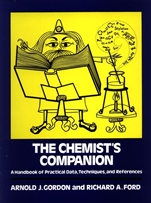
The Chemists Companion: A Handbook of Practical Data, Techniques, and References
ISBN 9780471315902
Autor: Arnold J. Gordon, Richard A. Ford
Wydawca: Wiley
Dostępność: 3-6 tygodni
Cena: 957,60 zł
Przed złożeniem zamówienia prosimy o kontakt mailowy celem potwierdzenia ceny.
ISBN13: |
9780471315902 |
ISBN10: |
0471315907 |
Autor: |
Arnold J. Gordon, Richard A. Ford |
Oprawa: |
Hardback |
Rok Wydania: |
1973-01-01 |
Ilość stron: |
560 |
Wymiary: |
284x216 |
Tematy: |
PN |
The Chemist’s Companion A Handbook of Practical Data, Techniques, and References Arnold J. Gordon and Richard A. Ford Contents Properties of Molecular Systems Properties of Solvents and Common Liquids • Azeotropic Data • Empirical Boiling Point–Pressure Relationships • Properties of Selected Gases • Properties of Representative Fused Salt Systems • Structure and Properties of Naturally Occurring α–Amino Acids • Properties and Applications of Liquid Crystals • Prototropic Tautomerism • Acids and Bases • Properties of Atoms and Bonds Properties of the Elements • Table of Isotopes • Selected Bond Lengths • Effective van der Waals Radii • Bond Angles and Hybridization • Selected Bond Strengths • Force Constants • Torsion and Inversion Barriers • Bond and Group Dipole Moments • Aromaticity • Kinetics and Energetics Activation Parameters and Kinetics of Selected Reactions • Linear Free Energy Relationships • Conformational Free Energy Values • Free Energy–Composition Chart • Spectroscopy The Electromagnetic Spectrum • Solvents and Other Media for Spectral Measurements • Optical Materials for Spectroscopy and Photochemistry • Vibration Spectra • Electronic Absorption and Emission Spectra: Uv and Vis • Optical Activity and Optical Rotation • Mass Spectrometry • Nuclear Magnetic Resonance Spectroscopy • Electron Spin Resonance Spectroscopy • Nuclear Quadrupole Resonance Spectroscopy • Bibliography of Spectral Data Compilations • Photochemistry Electronic Energy State Diagram • Excited State Energy Transfer: Sensitizers and Quenchers • Photochemistry Light Sources and Equipment • Chemical Actinometry: Quantum Yield • Suppliers • References • Chromatography Fundamental Types of Chromatography and Basic Definitions • Adsorption Chromatography
• Paper Chromatography • Column and Thin Layer Partition Chromatography • Ion–Exchange Chromatography • Gel Filtration and Gel Permeation Chromatography • Automated Liquid Chromatography • Electrophoresis • Vapor Phase Chromatography • Chromatography Supply Directory • References • Experimental Techniques Properties of Laboratory Materials • Standard Glassware Cleaning Solutions • Purification of Common Solvents • Detection of Peroxides and Their Removal • Chemical Methods for Deoxygenating Gases and Liquids • Simple Chemical Methods for Detecting Specific Gases • Simple Preparations of Some Dry Gases • Common Solvents for Crystallization • Solvents for Extraction of Aqueous Solutions • Drying Agents • Solvents and Baths for Heating and Cooling • Molecular Weight Determination • Mathematical and Numerical Information Approved International Units System and General Constants • Useful Conversion Factors • Wavelength–Wavenumber Conversion Table • Multiples of Element and Group Weights • Molecular Symmetry: Definitions and Common Systems • Character Tables for Common Symmetry Groups • Computer Programs • Statistical Treatment of Data • Miscellaneous Important Chemistry Reference Sources: A Bibliography • Atomic and Molecular Models • Addresses of Publishers that Deal With Chemistry • Combustion Microanalysis and Other Custom Analytical Services • Hazards of Common Chemicals • Suppliers Index Subject Index
Spis treści:
Properties of Molecular Systems
I. Properties of Solvents and Common Liquids
II. Azeotropic Data
III. Empirical Boiling Point–Pressure Relationships
IV. Properties of Selected Gases
V. Properties of Representative Fused Salt Systems
VI. Structure and Properties of Naturally Occurring –Amino Acids
VII. Properties and A
pplications of Liquid Crystals
VIII. Prototropic Tautomerism
IX. Acids and Bases
Properties of Atoms and Bonds
I. Properties of the Elements
II. Table of Isotopes
III. Selected Bond Lengths
IV. Effective van der Waals Radii
V. Bond Angles and Hybridization
VI. Selected Bond Strengths
VII. Force Constants
VIII. Torsion and Inversion Barriers
IX. Bond and Group Dipole Moments
X. Aromaticity
Kinetics and Energetics
I. Activation Parameters and Kinetics of Selected Reactions
II. Linear Free Energy Relationships
III. Conformational Free Energy Values
IV. Free Energy–Composition Chart
Spectroscopy
I. The Electromagnetic Spectrum
II. Solvents and Other Media for Spectral Measurements
III. Optical Materials for Spectroscopy and Photochemistry
IV. Vibration Spectra
V. Electronic Absorption and Emission Spectra: UV and Vis
VI. Optical Activity and Optical Rotation
VII. Mass Spectrometry
VIII. Nuclear Magnetic Resonance Spectroscopy
IX. Electron Spin Resonance Spectroscopy
X. Nuclear Quadrupole Resonance Spectroscopy
XI. Bibliography of Spectral Data Compilations
Photochemistry
I. Electronic Energy State Diagram
II. Excited State Energy Transfer: Sensitizers and Quenchers
III. Photochemistry Light Sources and Equipment
IV. Chemical Actinometry: Quantum Yield
V. Suppliers
VI. References
Chromatography
I. Fundamental Types of Chromatography and Basic Definitions
II. Adsorption Chromatography
III. Paper Chromatography
IV. Column and Thin Layer Partition Chromatography
V. Ion–Exchange Chromatography
VI. Gel Filtration and Gel Permeation Chromatography
VII. Automated Liquid Chromatography
VIII. Electrophoresis
IX. Vapor Phase Chromatography
X. Chromatography Supply Directory
XI. References
Experimental Techniques
I. Properties of Laboratory Materials
II. Standard Glassware Cleaning Solutions
III. Purification of
Common Solvents
IV. Detection of Peroxides and Their Removal
V. Chemical Methods for Deoxygenating Gases and Liquids
VI. Simple Chemical Methods for Detecting Specific Gases
VII. Simple Preparations of Some Dry Gases
VIII. Common Solvents for Crystallization
IX. Solvents for Extraction of Aqueous Solutions
X. Drying Agents
XI. Solvents and Baths for Heating and Cooling
XII. Molecular Weight Determination
Mathematical and Numerical Information
I. Approved International Units System and General Constants
II. Useful Conversion Factors
III. Wavelength–Wavenumber Conversion Table
IV. Multiples of Element and Group Weights
V. Molecular Symmetry: Definitions and Common Systems
VI. Character Tables for Common Symmetry Groups
VII. Computer Programs
VIII. Statistical Treatment of Data
Miscellaneous
I. Important Chemistry Reference Sources: A Bibliography
II. Atomic and Molecular Models
III. Addresses of Publishers that Deal With Chemistry
IV. Combustion Microanalysis and Other Custom Analytical Services
V. Hazards of Common Chemicals
Suppliers Index
Subject Index
Nota biograficzna:
About the Authors ARNOLD J. GORDON is Associate Director of Scientific Affairs at Pfizer Pharmaceuticals. He was previously a member of the chemistry faculty of the Catholic University of America. Dr. Gordon received a B.S. degree in Chemical Engineering from Northeastern University and a Ph.D. degree in Organic Chemistry from New York University. He is the author of more than 25 articles published in journals and books in such diverse areas as stereochemistry, synthesis, new drug development, organic semiconductors and chemical education. R. A. FORD is Assistant Professor at Montgomery College in Takoma Park, Maryland. He was previously Assistant Professor at Catholic University. Dr. Ford received a Ph.D. degree at Wayne State University.
Okładka tylna:
The Chemist’s Com
Koszyk
Książek w koszyku: 0 szt.
Wartość zakupów: 0,00 zł
Informacje


Kontakt
Gambit
Centrum Oprogramowania
i Szkoleń Sp. z o.o.
Al. Pokoju 29b/22-24
31-564 Kraków
Siedziba Księgarni
ul. Kordylewskiego 1
31-542 Kraków
+48 12 410 5991
+48 12 410 5987
+48 12 410 5989
Subskrypcje
Administratorem danych osobowych jest firma Gambit COiS Sp. z o.o. Na podany adres będzie wysyłany wyłącznie biuletyn informacyjny.
Autoryzacja płatności

Informacje na temat autoryzacji płatności poprzez PayU.

© Copyright 2012: GAMBIT COiS Sp. z o.o. Wszelkie prawa zastrzeżone.
Projekt i wykonanie: Alchemia Studio Reklamy