


Wydawcy
Katalog tematyczny
- Archeologia (109)
- Ekonomia, finanse, business (13704)
- Filozofia (1445)
- Historia (3040)
- Języki i językoznawstwo (2356)
- Lifestyle, hobby i rozrywka (475)
- Medycyna (9704)
- Nauki humanistyczne (4)
- Nauki o Ziemi i środowisku (2638)
- Nauki ścisłe (20412)
- Astronomia (294)
- Biologia (5119)
- Biochemia (575)
- Biologia człowieka (14)
- Biologia komórkowa (377)
- Biologia molekularna (398)
- Biologia rozwoju (130)
- Biologia, ogólnie (1277)
- Botanika (280)
- Hydrobiologia (92)
- Mikrobiologia (363)
- Mykologia (22)
- Zoologia (303)
- Chemia (6540)
- Fizyka (3309)
- Matematyka (4574)
- Nauki ścisłe, ogólnie (503)
- Nauki społeczne (8486)
- Nauki techniczne (13450)
- Prawo (1696)
- Publikacje informacyjne i interdyscyplinarne (1288)
- Religia i wierzenia (917)
- Technika komputerowa (4067)
- Zdrowie, relacje międzyludzkie i rozwój osobisty (657)





Informacje szczegółowe o książce
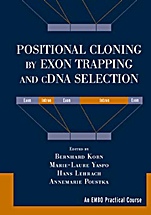
Positional Cloning by Exon Trapping and cDNA Selection
ISBN 9780471297970
Autor: Bernhard Korn, Marie–Laure Yaspo, Hans Lehrach, Annemarie Poustka
Wydawca: Wiley
Dostępność: 3-6 tygodni
Cena: 627,90 zł
Przed złożeniem zamówienia prosimy o kontakt mailowy celem potwierdzenia ceny.
ISBN13: |
9780471297970 |
ISBN10: |
0471297976 |
Autor: |
Bernhard Korn, Marie–Laure Yaspo, Hans Lehrach, Annemarie Poustka |
Oprawa: |
Paperback |
Rok Wydania: |
1999-06-22 |
Ilość stron: |
78 |
Wymiary: |
253x176 |
Tematy: |
PS |
Tremendous strides in decoding the human genome have been made over the last ten years. Large, chromosome–scale, genome–scale EST–sequencing and mapping techniques have dramatically expanded the base of identified genes and sequenced DNA. Gene isolation and cloning techniques that emerged earlier on, however, still remain effective mainstays for constructing dense transcript maps to isolate coding sequences and disease–associated genes contained within a specific chromosomal region.
Positional Cloning by Exon Trapping and cDNA Selection examines two powerful methods for locating the coding region of a given gene by isolating gene fragments from individual clones or pools of genomic clones. This comprehensive guide details the exon–trapping and cDNA selection processes step by step––from isolating genomic templates and nuclear splicing, to verifying generated clones and sequenced data, to analyzing exon libraries and cDNA sublibraries. Procedures covered include:
∗ Exon–trapping systems and descriptions of pSPL1 and pSPL3 vectors.
∗ Exon amplification protocols for preparing vectors for cloning; subcloning genomic DNA into vectors; transformation, analysis, and transfection of sublibraries; RNA transcription; and PCR amplification and PCR product cloning.
∗ Evaluation of exon libraries by PCR colony testing, identifying artifactual clones using Southern blot, and sequencing and mapping back candidate exons.
∗ Isolation of genomic templates, such as COSMID–, P1–, PAC, and YAC DNA.
∗ cDNA selection experiment protocols including cDNA screening, hybridization, and biotinylation; preparation of genomic and cDNA sources; and PCR cloning.
∗ Clone analysis and analysis by hybridization.
Positional Cloning by Exon Trapping and cDNA Selection offers researchers, scientists, and graduate students an invaluable tool for probing gene distribution and molecular
organization. Most importantly, it provides a critical approach to isolating specific disease genes within a targeted genomic area.
Spis treści:
Exon Amplification.
cDNA Selection.
Maps, Materials, and Equipment Specifications.
References.
Index.
Okładka tylna:
Tremendous strides in decoding the human genome have been made over the last ten years. Large, chromosome–scale, genome–scale EST–sequencing and mapping techniques have dramatically expanded the base of identified genes and sequenced DNA. Gene isolation and cloning techniques that emerged earlier on, however, still remain effective mainstays for constructing dense transcript maps to isolate coding sequences and disease–associated genes contained within a specific chromosomal region.
Positional Cloning by Exon Trapping and cDNA Selection examines two powerful methods for locating the coding region of a given gene by isolating gene fragments from individual clones or pools of genomic clones. This comprehensive guide details the exon–trapping and cDNA selection processes step by step––from isolating genomic templates and nuclear splicing, to verifying generated clones and sequenced data, to analyzing exon libraries and cDNA sublibraries. Procedures covered include:
∗ Exon–trapping systems and descriptions of pSPL1 and pSPL3 vectors.
∗ Exon amplification protocols for preparing vectors for cloning; subcloning genomic DNA into vectors; transformation, analysis, and transfection of sublibraries; RNA transcription; and PCR amplification and PCR product cloning.
∗ Evaluation of exon libraries by PCR colony testing, identifying artifactual clones using Southern blot, and sequencing and mapping back candidate exons.
∗ Isolation of genomic templates, such as COSMID–, P1–, PAC, and YAC DNA.
∗ cDNA selection experiment protocols including cDNA screening, hybr
idization, and biotinylation; preparation of genomic and cDNA sources; and PCR cloning.
∗ Clone analysis and analysis by hybridization.
Positional Cloning by Exon Trapping and cDNA Selection offers researchers, scientists, and graduate students an invaluable tool for probing gene distribution and molecular organization. Most importantly, it provides a critical approach to isolating specific disease genes within a targeted genomic area.
Koszyk
Książek w koszyku: 0 szt.
Wartość zakupów: 0,00 zł
Informacje


Kontakt
Gambit
Centrum Oprogramowania
i Szkoleń Sp. z o.o.
Al. Pokoju 29b/22-24
31-564 Kraków
Siedziba Księgarni
ul. Kordylewskiego 1
31-542 Kraków
+48 12 410 5991
+48 12 410 5987
+48 12 410 5989
Subskrypcje
Administratorem danych osobowych jest firma Gambit COiS Sp. z o.o. Na podany adres będzie wysyłany wyłącznie biuletyn informacyjny.
Autoryzacja płatności

Informacje na temat autoryzacji płatności poprzez PayU.

© Copyright 2012: GAMBIT COiS Sp. z o.o. Wszelkie prawa zastrzeżone.
Projekt i wykonanie: Alchemia Studio Reklamy