


Wydawcy
Katalog tematyczny
- Archeologia (109)
- Ekonomia, finanse, business (13704)
- Filozofia (1445)
- Historia (3040)
- Języki i językoznawstwo (2356)
- Lifestyle, hobby i rozrywka (475)
- Medycyna (9704)
- Nauki humanistyczne (4)
- Nauki o Ziemi i środowisku (2638)
- Nauki ścisłe (20412)
- Nauki społeczne (8486)
- Nauki techniczne (13450)
- Budownictwo lądowe (1045)
- Chemia przemysłowa (2258)
- Elektronika i telekomunikacja (3287)
- Energetyka (1122)
- Elektrotechnika (258)
- Energetyka jądrowa (62)
- Energia odnawialna (372)
- Paliwa kopalne (287)
- Przepływ ciepła (10)
- Inne nauki stosowane (363)
- Inżynieria biochemiczna (507)
- Inżynieria transportu (232)
- Mechanika i materiały (3316)
- Nauka o środowisku (321)
- Rolnictwo (507)
- Technika, ogólnie (475)
- Prawo (1696)
- Publikacje informacyjne i interdyscyplinarne (1288)
- Religia i wierzenia (917)
- Technika komputerowa (4067)
- Zdrowie, relacje międzyludzkie i rozwój osobisty (657)





Informacje szczegółowe o książce
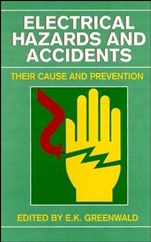
Electrical Hazards and Accidents: Their Cause and Prevention
ISBN 9780471290773
Autor: E. K. Greenwald
Wydawca: Wiley
Dostępność: 3-6 tygodni
Cena: 773,85 zł
Przed złożeniem zamówienia prosimy o kontakt mailowy celem potwierdzenia ceny.
ISBN13: |
9780471290773 |
ISBN10: |
0471290777 |
Autor: |
E. K. Greenwald |
Oprawa: |
Hardback |
Rok Wydania: |
1997-11-12 |
Ilość stron: |
216 |
Wymiary: |
236x157 |
Tematy: |
THR |
How to prevent electrical hazards in the workplace is the focus of this guide. It spells out proper design, maintenance, and operating procedures for minimizing the risks of electrical fires, accidents, and injuries on the job. Coverage of the latest electrical standards helps you comply with the current National Electrical Code (NEC)® and OSHA requirements. NEC requirements and procedures are provided for grounding an electrical distribution system, selecting proper conductors, sizing the feeder, and effective branch circuit overcurrent protection. Safety considerations are explored for single and three–phase systems, fuses, plugs, and ground fault circuit interrupters (GFCIs). The guide also clarifies factors that influence soil resistivity, and it analyzes correction factors for special situations such as high ambient temperature environments. Human responses to electric shock are covered in detail. Among the important areas addressed are the approximate electrical impedance of the human body, thresholds of shock perception, let–go currents, asphyxia, ventricular fibrillation, and respiratory arrest. A bounty of solutions to help you solve electrical safety problems related to:Hazardous locations — Find out how to assess potential ignition sources, ventilation requirements, surface temperature conditions, and conduit and cable sealing requirements.Current–carrying conductors in fire environments — See how to evaluate insulation behavior, conductor melting temperatures, and the effects of nicks and broken strands, as well as how to make investigations at the scene of a fire.Lightning protection — Equip yourself to determine the probability of lightning strikes in specific locations, and mitigate the effects of a direct strike on buildings, equipment, and personnel. How to provide voltage surge protection is also discussed.Static electricity — Learn about the fundamentals of electrical charg
e induction and mechanisms for static charge ignition.Numerous case histories provide valuable insights into accident provention. In addition, the guide provides a review of electricity basics ranging from definitions of terms to the physics of the electric arc. It provides full–scope coverage of all electrical safety issues in the workplace. Electrical Hazards and Accidents: Their Cause and Prevention is an essential source for facility engineers, electrical engineers, plant engineers, plant managers, electricians, regulatory managers, and accident and insurance investigators.
Spis treści:
Electrical Systems, Terminology and Components––Relationship to Electrical and Lightning Accidents and Fires.
Physiological Effects of Electricity––Relationship to Electrical and Lightning Death and Injury.
Selecting the Proper Size for Conductors and Overcurrent Protection Devices.
Grounding of Electrical Distribution Systems and Electrical Equipment.
OSHA Standards and Requirements and the National Electrical Code.
Electrical Wiring and Equipment in Hazardous (Classified) Locations.
Electrical Fires: Causes, Prevention, and Investigation.
Lightning Protection for Buildings, Equipment, and Personnel.
Static Electricity: Causes, Analysis and Prevention.
High Voltage Systems: Design, Construction and Maintenance.
Index.
Nota biograficzna:
About the Editor E. K. GREENWALD developed a series of courses on electrical safety which are taught annually in the U.S. and abroad. He is an Associate Professor of Engineering Professional Development at the University of Wisconsin, Madison, as well as President and Chief Engineer of Energy Analysis, Inc., a firm that performs energy–related engineering and economic studies for industry and government. As a private engineering consultant, Dr. Greenwald has worked for the U.S. Air Force, U.S. Navy, IBM, ITT, AMOCO Chemical, U.S. Post Of
fice, and numerous other facilities. He is a Registered Professional Engineer in five States, and a member of ASHRAE, IEEE, AAEE, and IES. He earned his Ph.D. in Physics/Biophysics at Ohio State University.
Okładka tylna:
How to prevent electrical hazards in the workplace is the focus of this guide. It spells out proper design, maintenance, and operating procedures for minimizing the risks of electrical fires, accidents, and injuries on the job. Coverage of the latest electrical standards helps you comply with the current National Electrical Code (NEC)® and OSHA requirements. NEC requirements and procedures are provided for grounding an electrical distribution system, selecting proper conductors, sizing the feeder, and effective branch circuit overcurrent protection. Safety considerations are explored for single and three–phase systems, fuses, plugs, and ground fault circuit interrupters (GFCIs). The guide also clarifies factors that influence soil resistivity, and it analyzes correction factors for special situations such as high ambient temperature environments. Human responses to electric shock are covered in detail. Among the important areas addressed are the approximate electrical impedance of the human body, thresholds of shock perception, let–go currents, asphyxia, ventricular fibrillation, and respiratory arrest. A bounty of solutions to help you solve electrical safety problems related to:Hazardous locations — Find out how to assess potential ignition sources, ventilation requirements, surface temperature conditions, and conduit and cable sealing requirements.Current–carrying conductors in fire environments — See how to evaluate insulation behavior, conductor melting temperatures, and the effects of nicks and broken strands, as well as how to make investigations at the scene of a fire.Lightning protection — Equip yourself to determine the probability of lightning strikes
in specific locations, and mitigate the effects of a direct strike on buildings, equipment, and personnel. How to provide voltage surge protection is also discussed.Static electricity — Learn about the fundamentals of electrical charge induction and mechanisms for static charge ignition.Numerous case histories provide valuable insights into accident provention. In addition, the guide provides a review of electricity basics ranging from definitions of terms to the physics of the electric arc. It provides full–scope coverage of all electrical safety issues in the workplace. Electrical Hazards and Accidents: Their Cause and Prevention is an essential source for facility engineers, electrical engineers, plant engineers, plant managers, electricians, regulatory managers, and accident and insurance investigators.
Koszyk
Książek w koszyku: 0 szt.
Wartość zakupów: 0,00 zł
Informacje


Kontakt
Gambit
Centrum Oprogramowania
i Szkoleń Sp. z o.o.
Al. Pokoju 29b/22-24
31-564 Kraków
Siedziba Księgarni
ul. Kordylewskiego 1
31-542 Kraków
+48 12 410 5991
+48 12 410 5987
+48 12 410 5989
Subskrypcje
Administratorem danych osobowych jest firma Gambit COiS Sp. z o.o. Na podany adres będzie wysyłany wyłącznie biuletyn informacyjny.
Autoryzacja płatności

Informacje na temat autoryzacji płatności poprzez PayU.

© Copyright 2012: GAMBIT COiS Sp. z o.o. Wszelkie prawa zastrzeżone.
Projekt i wykonanie: Alchemia Studio Reklamy