


Wydawcy
Katalog tematyczny
- Archeologia (109)
- Ekonomia, finanse, business (13704)
- Filozofia (1445)
- Historia (3040)
- Języki i językoznawstwo (2356)
- Lifestyle, hobby i rozrywka (475)
- Medycyna (9704)
- Nauki humanistyczne (4)
- Nauki o Ziemi i środowisku (2638)
- Nauki ścisłe (20412)
- Astronomia (294)
- Biologia (5119)
- Chemia (6540)
- Chemia analityczna (361)
- Chemia fizyczna (346)
- Chemia nieorganiczna (137)
- Chemia organiczna (535)
- Krystalografia (27)
- Minerologia (46)
- Fizyka (3309)
- Matematyka (4574)
- Nauki ścisłe, ogólnie (503)
- Nauki społeczne (8486)
- Nauki techniczne (13450)
- Prawo (1696)
- Publikacje informacyjne i interdyscyplinarne (1288)
- Religia i wierzenia (917)
- Technika komputerowa (4067)
- Zdrowie, relacje międzyludzkie i rozwój osobisty (657)





Informacje szczegółowe o książce
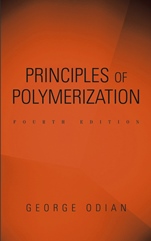
Principles of Polymerization
ISBN 9780471274001
Autor: George Odian
Wydawca: Wiley
Dostępność: 3-6 tygodni
Cena: 698,25 zł
Przed złożeniem zamówienia prosimy o kontakt mailowy celem potwierdzenia ceny.
ISBN13: |
9780471274001 |
ISBN10: |
0471274003 |
Autor: |
George Odian |
Oprawa: |
Hardback |
Rok Wydania: |
2004-03-05 |
Numer Wydania: |
4th Edition |
Ilość stron: |
848 |
Wymiary: |
242x166 |
Tematy: |
PN |
The new edition of a classic text and reference
The large chains of molecules known as polymers are currently used in everything from "wash and wear" clothing to rubber tires to protective enamels and paints. Yet the practical applications of polymers are only increasing; innovations in polymer chemistry constantly bring both improved and entirely new uses for polymers onto the technological playing field. Principles of Polymerization, Fourth Edition presents the classic text on polymer synthesis, fully updated to reflect today′s state of the art. New and expanded coverage in the Fourth Edition includes:Metallocene and post–metallocene polymerization catalystsLiving polymerizations (radical, cationic, anionic)Dendrimer, hyperbranched, brush, and other polymer architectures and assembliesGraft and block copolymersHigh–temperature polymersInorganic and organometallic polymersConducting polymersRing–opening polymer izationIn vivo and in vitro polymerization
Appropriate for both novice and advanced students as well as professionals, this comprehensive yet accessible resource enables the reader to achieve an advanced, up–to–date understanding of polymer synthesis. Different methods of polymerization, reaction parameters for synthesis, molecular weight, branching and crosslinking, and the chemical and physical structure of polymers all receive ample coverage. A thorough discussion at the elementary level prefaces each topic, with a more advanced treatment following. Yet the language throughout remains straightforward and geared towards the student.
Extensively updated, Principles of Polymerization, Fourth Edition provides an excellent textbook for today′s students of polymer chemistry, chemical engineering, and materials science, as well as a current reference for the researcher or other practitioner working in these areas.
Spis treści:
Preface.
1. Int
roduction.
1.1 Types of Polymers and Polymerizations.
1.2 Nomenclature of Polymers.
1.3 Linear, Branched, and Crosslinked Polymers.
1.4 Molecular Weight.
1.5 Physical State.
1.6 Applications of Polymers.
2. Step Polymerization.
2.1 Reactivity of Functional Groups.
2.2 Kinetics of Step Polymerization.
2.3 Accessibility of Functional Groups.
2.4 Equilibrium Considerations.
2.5 Cyclization versus Linear Polymerization.
2.6 Molecular Weight Control in Linear Polymerization.
2.7 Molecular Weight Distribution in Linear Polymerization.
2.8 Process Condition.
2.9 Multichain Polymerization.
2.10 Crosslinking.
2.11 Molecular Weight Distributions in Nonlinear Polymerizations.
2.12 Crosslinking Technology.
2.13 Step Copolymerization.
2.14 High–Performance Polymers.
2.15 Inorganic and Organometallic Polymers.
2.16 Dendric (Highly Branched) Polymers.
3. Radical Chain Polymerization.
3.1 Nature and Radical Chain Polymerization.
3.2 Structural Arrangement of Monomer Units.
3.3 Rate of Radical Chain Polymerization.
3.4 Initiation.
3.5 Molecular Weight.
3.6 Chain Transfer.
3.7 Inhibition and Retardation.
3.8 Determination of Absolute Rate Constants.
3.9 Energetic Characteristics.
3.10 Autoacceleration.
3.11 Molecular Weight Distribution.
3.12 Effect of Pressure.
3.13 Process Conditions.
3.14 Specific Commercial Polymers.
3.15 Living Radical Polymerization.
3.16 Other Polymerizations.
4. Emulsion Polymerization.
4.1 Description of Process.
4.2 Quantitative Aspects.
4.3 Other Characteristics of Emulsion Polymerization.
5. Ionic Chain Polymerization.
5.1 Comparison of Radical and Ionic Polymerization.
5.2 Cationic Polymerization of the Carbon–Carbon Double Bond.
5.3 Anionic Polymerization of the Carbon–Carbon Double.
5.4 Block and Other Polymer Architecture.
5.5 Distinguishing Between Radical, Cationic, and Anionic Polym
erizations.
5.6 Carbonyl Polymerization.
5.7 Miscellaneous Polymerizations.
6. Chain Copolymerization.
6.1 General Considerations.
6.2 Copolymer Composition.
6.3 Radical Copolymerization.
6.4 Ionic Copolymerization.
6.5 Deviations from Terminal Copolymerization Model.
6.6 Copolymerizations Involving Dienes.
6.7 Other Copolymerizations.
6.8 Applications of Copolymerizations.
7. Ring–Opening Polymerization.
7.1 General Characteristics.
7.2 Cyclic Ethers.
7.3 Lactams.
7.4 N–Carboxy–αAmino Acid Anhydrides.
7.5 Lactones.
7.6 Nitrogen Heterocyclics.
7.7 Sulfur Heterocyclics.
7.8 Cycloalkenes.
7.9 Miscellaneous Oxygen Heterocyclics.
7.10 Other Ring–Opening Polymerizations.
7.11 Inorganic and Partially Inorganic Polymers.
7.12 Copolymerization.
8. Stereochemistry of Polymerizaton.
8.1 Types of Stereoisomerism in Polymers.
8.2 Properties of Stereoregular Polymers.
8.3 Forces of Stereoregulation in Alkene Polymerization.
8.4 Traditional Ziegler–Natta Polymerization of Nonpolar Alkene Monomers.
8.5 Metallocene Polymerization of Nonpolar Alkene Monomers.
8.6 Other Hydrocarbon Monomers.
8.7 Copolymerization.
8.8 Postmetallocene: Chelate Initiators.
8.9 Living Polymerization.
8.10 Polymerization of 1,3–Dienes.
8.11 Commercial Applications.
8.12 Polymerization of Polar Vinyl Monomers.
8.13 Alehydes.
8.14 Optical Activity in Polymers.
8.15 Ring–Opening Polymerization.
8.16 Statistical Models of Propagation.
9. Reactions of Polymers.
9.1 Principles of Polymers Reactivity.
9.2 Crosslinking.
9.3 Reactions of Cellulose.
9.4 Reactions of Poly(vinyl) acetate).
9.5 Halogenation.
9.6 Aromatic Substitution.
9.7 Cyclization.
9.8 Other Reactions.
9.9 Graft Copolymers.
9.10 Block Copolymers.
9.11 Polymers as Carriers or Supports.
9.12 Polymer Reagents.
9.13 Polymer Catalysts.9.14 Polymer Substrates.
Index.
Nota biograficzna:
GEORGE ODIAN received his PhD from Columbia University. He is currently Emeritus Professor of Chemistry at the College of Staten Island of the City University of New York. He has previously served as professor of chemistry and chairman, Division of Pure and Applied Sciences at Richmond College of CUNY, assistant professor at Columbia University, research director of RAI Research Company, and research chemist at Thiokol Chemical Company. He has written over sixty research publications and authored both taped and short courses for the American Chemical Society. He is also the coauthor of four books in general, organic, and biochemistry.
Okładka tylna:
The new edition of a classic text and reference
The large chains of molecules known as polymers are currently used in everything from "wash and wear" clothing to rubber tires to protective enamels and paints. Yet the practical applications of polymers are only increasing; innovations in polymer chemistry constantly bring both improved and entirely new uses for polymers onto the technological playing field. Principles of Polymerization, Fourth Edition presents the classic text on polymer synthesis, fully updated to reflect today′s state of the art. New and expanded coverage in the Fourth Edition includes:Metallocene and post–metallocene polymerization catalystsLiving polymerizations (radical, cationic, anionic)Dendrimer, hyperbranched, brush, and other polymer architectures and assembliesGraft and block copolymersHigh–temperature polymersInorganic and organometallic polymersConducting polymersRing–opening polymer izationIn vivo and in vitro polymerization
Appropriate for both novice and advanced students as well as professionals, this comprehensive yet accessible resource enables the reader to achieve an advanced, up–to–date understand
Koszyk
Książek w koszyku: 0 szt.
Wartość zakupów: 0,00 zł
Informacje


Kontakt
Gambit
Centrum Oprogramowania
i Szkoleń Sp. z o.o.
Al. Pokoju 29b/22-24
31-564 Kraków
Siedziba Księgarni
ul. Kordylewskiego 1
31-542 Kraków
+48 12 410 5991
+48 12 410 5987
+48 12 410 5989
Subskrypcje
Administratorem danych osobowych jest firma Gambit COiS Sp. z o.o. Na podany adres będzie wysyłany wyłącznie biuletyn informacyjny.
Autoryzacja płatności

Informacje na temat autoryzacji płatności poprzez PayU.

© Copyright 2012: GAMBIT COiS Sp. z o.o. Wszelkie prawa zastrzeżone.
Projekt i wykonanie: Alchemia Studio Reklamy