


Wydawcy
Katalog tematyczny
- Archeologia (109)
- Ekonomia, finanse, business (13704)
- Filozofia (1445)
- Historia (3040)
- Języki i językoznawstwo (2356)
- Lifestyle, hobby i rozrywka (475)
- Medycyna (9704)
- Nauki humanistyczne (4)
- Nauki o Ziemi i środowisku (2638)
- Nauki ścisłe (20412)
- Astronomia (294)
- Biologia (5119)
- Chemia (6540)
- Fizyka (3309)
- Elektryczność i magnetyzm (90)
- Fizyka atomowa i molekularna (110)
- Fizyka cząstek elementarnych (36)
- Fizyka jądra atomowego (36)
- Fizyka kwantowa (210)
- Fizyka matematyczna (121)
- Fizyka relatywistyczna (36)
- Fizyka statystyczna (51)
- Fizyka stosowana (498)
- Mechanika klasyczna (186)
- Optyka i światło (133)
- Stany materii (202)
- Matematyka (4574)
- Nauki ścisłe, ogólnie (503)
- Nauki społeczne (8486)
- Nauki techniczne (13450)
- Prawo (1696)
- Publikacje informacyjne i interdyscyplinarne (1288)
- Religia i wierzenia (917)
- Technika komputerowa (4067)
- Zdrowie, relacje międzyludzkie i rozwój osobisty (657)





Informacje szczegółowe o książce
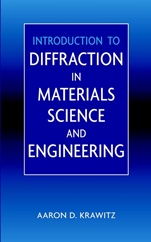
Introduction to Diffraction in Materials Science and Engineering
ISBN 9780471247241
Autor: Aaron D. Krawitz
Wydawca: Wiley
Dostępność: 3-6 tygodni
Cena: 968,10 zł
Przed złożeniem zamówienia prosimy o kontakt mailowy celem potwierdzenia ceny.
ISBN13: |
9780471247241 |
ISBN10: |
0471247243 |
Autor: |
Aaron D. Krawitz |
Oprawa: |
Hardback |
Rok Wydania: |
2001-04-25 |
Ilość stron: |
424 |
Wymiary: |
241x166 |
Tematy: |
PHJ |
Fundamentals and practical applications of diffraction for researchers, engineers, and students
Materials science relies heavily on diffraction for the analysis of materials. Introduction to Diffraction in Materials Science and Engineering is a survey of the practical aspects of this valuable tool. Though it contains basic discussion of the theory and physics of diffraction, this book emphasizes understanding and the practical application of diffraction in materials science–making it a valuable text and resource for students, professionals, and researchers.
Designed as a teaching and self–study text, this resource begins with a treatment of the fundamentals of crystallography and crystal structure and its importance in diffraction before moving on to cover important aspects of diffraction applications. Numerous examples and problems at the end of each chapter, including critical thinking questions, make this an excellent tool for learning and understanding. The book includes treatments of:
? Basics of crystallography
? Geometrical representation of crystals and reciprocal space
? X–rays and neutrons
? Structure factors and intensity
? Powder diffraction
? Qualitative (Powder Diffraction File) and quantitative phase analysis
? Use of the International Tables for more complex structures and the Reitveld method
? Residual stress
? Introductions to texture, small diffracting units, and long–range order
Aaron Krawitz provides both a practical introduction to diffraction that suits the needs of students and a resource for professionals already at work in materials science or engineering who want to utilize the power of diffraction in the study of materials.
Spis treści:
Preface.
Crystallography.
Geometrical Representation of Crystals.
X–Rays.
Neutrons.
Diffraction.
Diffraction Peak Intensity and Measurement.
Two–Dimensional Recording Methods.
Phase Analys
is.
Diffraction from More Complex Structures.
Stress Analysis.
Other Kinds of Materials Characterization Using Diffraction.
Appendix A: Some Crystallographic Relationships.
Appendix B: X–Rays.
Appendix C: Neutrons.
Appendix D: Energies of K Emission Lines.
References.
Index.
Nota biograficzna:
AARON D. KRAWITZ is Professor of Mechanical and Aerospace Engineering at the University of Missouri, Columbia, Missouri.
Okładka tylna:
Fundamentals and practical applications of diffraction for researchers, engineers, and students
Materials science relies heavily on diffraction for the analysis of materials. Introduction to Diffraction in Materials Science and Engineering is a survey of the practical aspects of this valuable tool. Though it contains basic discussion of the theory and physics of diffraction, this book emphasizes understanding and the practical application of diffraction in materials science–making it a valuable text and resource for students, professionals, and researchers.
Designed as a teaching and self–study text, this resource begins with a treatment of the fundamentals of crystallography and crystal structure and its importance in diffraction before moving on to cover important aspects of diffraction applications. Numerous examples and problems at the end of each chapter, including critical thinking questions, make this an excellent tool for learning and understanding. The book includes treatments of:
? Basics of crystallography
? Geometrical representation of crystals and reciprocal space
? X–rays and neutrons
? Structure factors and intensity
? Powder diffraction
? Qualitative (Powder Diffraction File) and quantitative phase analysis
? Use of the International Tables for more complex structures and the Reitveld method
? Residual stress
? Introductions to texture, small diffracting units, and long–range order
Aaron Krawitz
provides both a practical introduction to diffraction that suits the needs of students and a resource for professionals already at work in materials science or engineering who want to utilize the power of diffraction in the study of materials.
Koszyk
Książek w koszyku: 0 szt.
Wartość zakupów: 0,00 zł
Informacje


Kontakt
Gambit
Centrum Oprogramowania
i Szkoleń Sp. z o.o.
Al. Pokoju 29b/22-24
31-564 Kraków
Siedziba Księgarni
ul. Kordylewskiego 1
31-542 Kraków
+48 12 410 5991
+48 12 410 5987
+48 12 410 5989
Subskrypcje
Administratorem danych osobowych jest firma Gambit COiS Sp. z o.o. Na podany adres będzie wysyłany wyłącznie biuletyn informacyjny.
Autoryzacja płatności

Informacje na temat autoryzacji płatności poprzez PayU.

© Copyright 2012: GAMBIT COiS Sp. z o.o. Wszelkie prawa zastrzeżone.
Projekt i wykonanie: Alchemia Studio Reklamy