


Wydawcy
Katalog tematyczny
- Archeologia (109)
- Ekonomia, finanse, business (13704)
- Filozofia (1445)
- Historia (3040)
- Języki i językoznawstwo (2356)
- Lifestyle, hobby i rozrywka (475)
- Medycyna (9704)
- Nauki humanistyczne (4)
- Nauki o Ziemi i środowisku (2638)
- Nauki ścisłe (20412)
- Nauki społeczne (8486)
- Nauki techniczne (13450)
- Prawo (1696)
- Publikacje informacyjne i interdyscyplinarne (1288)
- Religia i wierzenia (917)
- Technika komputerowa (4067)
- Zdrowie, relacje międzyludzkie i rozwój osobisty (657)





Informacje szczegółowe o książce
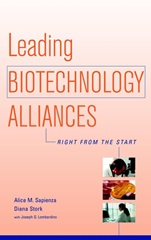
Leading Biotechnology Alliances: Right from the Start
ISBN 9780471182481
Autor: Alice M. Sapienza, Diana Stork, Joseph G. Lombardino
Wydawca: Wiley
Dostępność: 3-6 tygodni
Cena: 538,65 zł
Przed złożeniem zamówienia prosimy o kontakt mailowy celem potwierdzenia ceny.
ISBN13: |
9780471182481 |
ISBN10: |
0471182486 |
Autor: |
Alice M. Sapienza, Diana Stork, Joseph G. Lombardino |
Oprawa: |
Hardback |
Rok Wydania: |
2001-06-20 |
Ilość stron: |
216 |
Wymiary: |
232x160 |
Tematy: |
KM |
Since the early 1990s, research and discovery collaborations between biotechnology and pharmaceutical companies have increased to the point that they now provide more than half of the total capital invested in the biotechnology sector. Although smaller biotechnology companies may be engaged in only a few alliances at a time, some of the most active pharmaceutical players may be engaged in anywhere from thirty to forty alliances at once. Any single alliance relationship may be the lifeblood for a small biotechnology company, while the same relationship may be just one of many for the pharmaceutical partner.
Research alliances with small, close–to–the–science companies are the source of many of the innovative ideas of today and the future, but they present formidable challenges. Successful collaboration depends not only on the solution of scientific and technical problems, but also on the successful resolution of many leadership and organizational problems.
Leading Biotechnology Alliances presents a tightly focused discussion regarding issues and questions that are unique and critical to the effectiveness of alliances, including:
∗ Power differences and other asymmetries between partner firms and some implications for alliance dynamics
∗ Sector history and evolution as a basis for understanding the cultural divide that characterizes many biotechnology–pharmaceutical relationships
∗ Why leaders on the biotechnology side must assume the greater leadership responsibility in these alliances
∗ Different––and predictable––challenges over the alliance life cycle, from start to completion/termination
∗ Leadership roles needed for productive and effective collaboration across groups, locations, and companies
From societal and economic perspectives, it is important to lead biotechnology alliances right, right from the start. The intent of Leading Biotechnology Alliances is to
help scientists and executives from large and small companies do just that––collaborate productively and effectively. This book includes a case study, numerous interview excerpts, general theory and background, a delineation of alliance responsibilities, and a set of alliance effectiveness questions. Together, these ingredients provide the reader with a clear understanding of the complicated dynamics of alliances and leadership issues and roles within the alliance life cycle.
Spis treści:
TROUBLE IN ALLIANCE LAND.
A Case in Point: The Lucida–Pharma Alliance Cast of Characters.
The General Case: Many Alliances, Many Problems.
ASYMMETRIC RELATIONSHIPS, LOPSIDED RESPONSIBILITY.
Contrasting Cultures.
Partner Differences and Disparities.
LAYING THE GROUNDWORK.
Preparing the Organization.
Individual and Organizational Due Diligence.
The First Meetings.
THE ALLIANCE LIFE CYCLE: LEADING DIFFERENTLY OVER TIME.
To the First Milestone.
Managing Growth and Maturity.
Ending: Completion, or Termination.
Readiness, Learning, and Alliance Effectiveness: A Road Map.
If We Could Turn Back the Clock...(A Hypothetical Coda to the Lucida–Pharma Sciences Case).
Nota biograficzna:
ALICE M. SAPIENZA, DBA, is Professor of Health Care Administration in the Graduate School for Health Studies at Simmons College in Boston, Massachusetts.
DIANA STORK, PhD, is Associate Professor at the Graduate School of Management at Simmons College.
JOSEPH G. LOMBARDINO, PhD, is retired from the pharmaceutical R&D division of Pfizer, Inc.
Okładka tylna:
Since the early 1990s, research and discovery collaborations between biotechnology and pharmaceutical companies have increased to the point that they now provide more than half of the total capital invested in the biotechnology sector. Although smaller biotechnology companies may be engaged in only a few alliances at a tim
e, some of the most active pharmaceutical players may be engaged in anywhere from thirty to forty alliances at once. Any single alliance relationship may be the lifeblood for a small biotechnology company, while the same relationship may be just one of many for the pharmaceutical partner.
Research alliances with small, close–to–the–science companies are the source of many of the innovative ideas of today and the future, but they present formidable challenges. Successful collaboration depends not only on the solution of scientific and technical problems, but also on the successful resolution of many leadership and organizational problems.
Leading Biotechnology Alliances presents a tightly focused discussion regarding issues and questions that are unique and critical to the effectiveness of alliances, including:
∗ Power differences and other asymmetries between partner firms and some implications for alliance dynamics
∗ Sector history and evolution as a basis for understanding the cultural divide that characterizes many biotechnology–pharmaceutical relationships
∗ Why leaders on the biotechnology side must assume the greater leadership responsibility in these alliances
∗ Different––and predictable––challenges over the alliance life cycle, from start to completion/termination
∗ Leadership roles needed for productive and effective collaboration across groups, locations, and companies
From societal and economic perspectives, it is important to lead biotechnology alliances right, right from the start. The intent of Leading Biotechnology Alliances is to help scientists and executives from large and small companies do just that––collaborate productively and effectively. This book includes a case study, numerous interview excerpts, general theory and background, a delineation of alliance responsibilities, and a set of alliance effectiveness questions. Together,
these ingredients provide the reader with a clear understanding of the complicated dynamics of alliances and leadership issues and roles within the alliance life cycle.
Koszyk
Książek w koszyku: 0 szt.
Wartość zakupów: 0,00 zł
Informacje


Kontakt
Gambit
Centrum Oprogramowania
i Szkoleń Sp. z o.o.
Al. Pokoju 29b/22-24
31-564 Kraków
Siedziba Księgarni
ul. Kordylewskiego 1
31-542 Kraków
+48 12 410 5991
+48 12 410 5987
+48 12 410 5989
Subskrypcje
Administratorem danych osobowych jest firma Gambit COiS Sp. z o.o. Na podany adres będzie wysyłany wyłącznie biuletyn informacyjny.
Autoryzacja płatności

Informacje na temat autoryzacji płatności poprzez PayU.

© Copyright 2012: GAMBIT COiS Sp. z o.o. Wszelkie prawa zastrzeżone.
Projekt i wykonanie: Alchemia Studio Reklamy