


Wydawcy
Katalog tematyczny
- Archeologia (109)
- Ekonomia, finanse, business (13704)
- Filozofia (1445)
- Historia (3040)
- Języki i językoznawstwo (2356)
- Lifestyle, hobby i rozrywka (475)
- Medycyna (9704)
- Nauki humanistyczne (4)
- Nauki o Ziemi i środowisku (2638)
- Nauki ścisłe (20412)
- Astronomia (294)
- Biologia (5119)
- Biochemia (575)
- Biologia człowieka (14)
- Biologia komórkowa (377)
- Biologia molekularna (398)
- Biologia rozwoju (130)
- Biologia, ogólnie (1277)
- Botanika (280)
- Hydrobiologia (92)
- Mikrobiologia (363)
- Mykologia (22)
- Zoologia (303)
- Chemia (6540)
- Fizyka (3309)
- Matematyka (4574)
- Nauki ścisłe, ogólnie (503)
- Nauki społeczne (8486)
- Nauki techniczne (13450)
- Prawo (1696)
- Publikacje informacyjne i interdyscyplinarne (1288)
- Religia i wierzenia (917)
- Technika komputerowa (4067)
- Zdrowie, relacje międzyludzkie i rozwój osobisty (657)







Informacje szczegółowe o książce
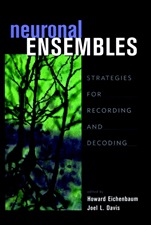
Neuronal Ensembles: Strategies for Recording and Decoding
ISBN 9780471179405
Autor: Howard B. Eichenbaum, Joel L. Davis
Wydawca: Wiley
Dostępność: 3-6 tygodni
Cena: 1 254,75 zł
Przed złożeniem zamówienia prosimy o kontakt mailowy celem potwierdzenia ceny.
ISBN13: |
9780471179405 |
ISBN10: |
047117940X |
Autor: |
Howard B. Eichenbaum, Joel L. Davis |
Oprawa: |
Hardback |
Rok Wydania: |
1998-04-22 |
Ilość stron: |
280 |
Wymiary: |
263x177 |
Tematy: |
PS |
The distributed coding hypothesis —the view that complex cognitive functions such as visual perception or memory formation are the work of large networks of neurons in areas of the cerebral cortex —is widely accepted in contemporary neuroscience. Yet only in recent years have tools emerged that can monitor the electrophysiological activity of neuron ensembles in the cortical areas of awake, behaving animals. The use of these multichannel recording techniques in biological network analysis is changing the way scientists view brain function. These methods also offer the possibility of a direct test of the distributed coding hypothesis.
Neuronal Ensembles: Strategies for Recording and Decoding presents a comprehensive treatment of multichannel recording techniques —how to apply them and how to analyze the vast amounts of data they generate. Composed of contributions by leading neuroscientists at the forefront of this technology, the book covers groundbreaking work in multichannel microelectrode technology, analyses of single neuron spike trains, and ensemble analysis of cell populations. The authors outline established techniques, offer practical tips on developing new methods, and share their ideas for further brain research.
Topics covered include: Extracellular recording and analysis of neural activity The relationship between neuronal codes and cortical organization Cell assemblies and cognitive function Neuronal population coding Motor cortical information processing Detection and identification of ensemble codes in the motor cortex Ensemble recordings and the nature of stimulus representation in hippocampal cognitive maps Methods, results, and issues related to recording neural ensembles Neuronal ensemble dynamics in the hippocampus and neocortex during sleep and waking Behavioral, electrophysiological, and genetic approaches to the study of synaptic plasticity and memory
Neu
ronal Ensembles: Strategies for Recording and Decoding is an important reference for researchers, graduate students, and postdoctoral fellows in all areas of neuroscience, cognitive neuroscience, and bioengineering.
Spis treści:
Introduction: Biological Neural Networks (H. Eichenbaum & J. Davis).
Extracellular Recording and Analysis of Neuronal Activity: From Single Cells to Ensembles (Z. Nadasdy, et al.).
The Relationship Between Neuronal Codes and Cortical Organization (B. Richmond & T. Gawne).
Cell Assemblies and the Ghost in the Machine (G. Schoenbaum).
Neuronal Population Coding: Multielectrode Recordings in Primate Cerebral Cortex (D. Lee, et al.).
Motor Cortical Information Processing (J. Si, et al.).
Detection and Identification of Ensemble Codes in Motor Cortex (N. Hatsopoulos, et al.).
Ensemble Recordings and the Nature of Stimulus Representation in Hippocampal Cognitive Maps (H. Tanila & M. Shaprio).
Methods, Results, and Issues Related to Recording Neural Ensembles (R. Hampson & S. Deadwyler).
Neuronal Ensemble Dynamics in Hippocampus and Neocortex During Sleep and Waking (W. Skaggs & B. McNaughton).
Behavioral, Electrophysiological, and Genetic Approaches to the Study of Synaptic Plasticity and Memory (M. Wilson).
Appendix.
Index.
Okładka tylna:
The distributed coding hypothesis —the view that complex cognitive functions such as visual perception or memory formation are the work of large networks of neurons in areas of the cerebral cortex —is widely accepted in contemporary neuroscience. Yet only in recent years have tools emerged that can monitor the electrophysiological activity of neuron ensembles in the cortical areas of awake, behaving animals. The use of these multichannel recording techniques in biological network analysis is changing the way scientists view brain function. These methods also offer the possibility of a direct t
est of the distributed coding hypothesis.
Neuronal Ensembles: Strategies for Recording and Decoding presents a comprehensive treatment of multichannel recording techniques —how to apply them and how to analyze the vast amounts of data they generate. Composed of contributions by leading neuroscientists at the forefront of this technology, the book covers groundbreaking work in multichannel microelectrode technology, analyses of single neuron spike trains, and ensemble analysis of cell populations. The authors outline established techniques, offer practical tips on developing new methods, and share their ideas for further brain research.
Topics covered include: Extracellular recording and analysis of neural activity The relationship between neuronal codes and cortical organization Cell assemblies and cognitive function Neuronal population coding Motor cortical information processing Detection and identification of ensemble codes in the motor cortex Ensemble recordings and the nature of stimulus representation in hippocampal cognitive maps Methods, results, and issues related to recording neural ensembles Neuronal ensemble dynamics in the hippocampus and neocortex during sleep and waking Behavioral, electrophysiological, and genetic approaches to the study of synaptic plasticity and memory
Neuronal Ensembles: Strategies for Recording and Decoding is an important reference for researchers, graduate students, and postdoctoral fellows in all areas of neuroscience, cognitive neuroscience, and bioengineering.
Koszyk
Książek w koszyku: 0 szt.
Wartość zakupów: 0,00 zł
Informacje


Kontakt
Gambit
Centrum Oprogramowania
i Szkoleń Sp. z o.o.
Al. Pokoju 29b/22-24
31-564 Kraków
Siedziba Księgarni
ul. Kordylewskiego 1
31-542 Kraków
+48 12 410 5991
+48 12 410 5987
+48 12 410 5989
Subskrypcje
Administratorem danych osobowych jest firma Gambit COiS Sp. z o.o. Na podany adres będzie wysyłany wyłącznie biuletyn informacyjny.
Autoryzacja płatności

Informacje na temat autoryzacji płatności poprzez PayU.

© Copyright 2012: GAMBIT COiS Sp. z o.o. Wszelkie prawa zastrzeżone.
Projekt i wykonanie: Alchemia Studio Reklamy