


Wydawcy
Katalog tematyczny
- Archeologia (109)
- Ekonomia, finanse, business (13704)
- Filozofia (1445)
- Historia (3040)
- Języki i językoznawstwo (2356)
- Lifestyle, hobby i rozrywka (475)
- Medycyna (9704)
- Nauki humanistyczne (4)
- Nauki o Ziemi i środowisku (2638)
- Nauki ścisłe (20412)
- Astronomia (294)
- Biologia (5119)
- Biochemia (575)
- Biologia człowieka (14)
- Biologia komórkowa (377)
- Biologia molekularna (398)
- Biologia rozwoju (130)
- Biologia, ogólnie (1277)
- Botanika (280)
- Hydrobiologia (92)
- Mikrobiologia (363)
- Mykologia (22)
- Zoologia (303)
- Chemia (6540)
- Fizyka (3309)
- Matematyka (4574)
- Nauki ścisłe, ogólnie (503)
- Nauki społeczne (8486)
- Nauki techniczne (13450)
- Prawo (1696)
- Publikacje informacyjne i interdyscyplinarne (1288)
- Religia i wierzenia (917)
- Technika komputerowa (4067)
- Zdrowie, relacje międzyludzkie i rozwój osobisty (657)





Informacje szczegółowe o książce
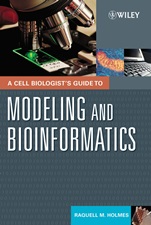
A Cell Biologists Guide to Modeling and Bioinformatics
ISBN 9780471164203
Autor: Raquell M. Holmes
Wydawca: Wiley
Dostępność: 3-6 tygodni
Cena: 627,90 zł
Przed złożeniem zamówienia prosimy o kontakt mailowy celem potwierdzenia ceny.
ISBN13: |
9780471164203 |
ISBN10: |
0471164208 |
Autor: |
Raquell M. Holmes |
Oprawa: |
Hardback |
Rok Wydania: |
2008-02-08 |
Ilość stron: |
224 |
Wymiary: |
267x180 |
Tematy: |
PS |
A step–by–step guide to using computational tools to solve problems in cell biology
Combining expert discussion with examples that can be reproduced by the reader, this text introduces an array of informatics tools that are available for analyzing biological data and modeling cellular processes. You learn to fully leverage public databases and create your own computational models. All that you need is a working knowledge of algebra and cellular biology; the author provides all the other tools you need to understand the necessary statistical and mathematical methods.
Coverage is divided into two main categories:
Molecular sequence database chapters are dedicated to gaining an understanding of tools and strategies—including queries, alignment methods, and statistical significance measures—needed to improve searches for sequence similarity, protein families, and putative functional domains. Discussions of sequence alignments and biological database searching focus on publicly available resources used for background research and the characterization of novel gene products.
Modeling chapters take you through all the steps involved in creating a computational model for such basic research areas as cell cycle, calcium dynamics, and glycolysis. Each chapter introduces a new simulation tooland is based on published research. The combination creates a rich context for ongoing skill and knowledge development in modeling biological research systems.
Students and professional cell biologists can develop the basic skills needed to learn computational cell biology. This text, with its step–by–step instruction, enables you to test and develop your new bioinformatics and modeling skills. References are provided to help you take advantage of more advanced techniques, technologies, and training.
Spis treści:
Book Overview.
1. Introduction.
2. Sequence Alignments and Database Se
arches.
3. Family–Domain Databases.
4. Getting Started: Modeling.
5. Modeling Metabolism.
6. Cell Cycle.
7. Calcium Dynamics.
8. Advanced Computing.
Glossary.
Index.
Nota biograficzna:
Dr. Holmes is a cell biologist who has worked to develop the Bioinformatics Graduate Program at Boston University and works with computational scientists in the Education, Outreach, and Training Partnership for Advanced Computational Infrastructure. She is presently a Program Manager and researcher at the Center for Computational Science at Boston University.
Okładka tylna:
A step–by–step guide to using computational tools to solve problems in cell biology
Combining expert discussion with examples that can be reproduced by the reader, this text introduces an array of informatics tools that are available for analyzing biological data and modeling cellular processes. You learn to fully leverage public databases and create your own computational models. All that you need is a working knowledge of algebra and cellular biology; the author provides all the other tools you need to understand the necessary statistical and mathematical methods.
Coverage is divided into two main categories:
Molecular sequence database chapters are dedicated to gaining an understanding of tools and strategies—including queries, alignment methods, and statistical significance measures—needed to improve searches for sequence similarity, protein families, and putative functional domains. Discussions of sequence alignments and biological database searching focus on publicly available resources used for background research and the characterization of novel gene products.
Modeling chapters take you through all the steps involved in creating a computational model for such basic research areas as cell cycle, calcium dynamics, and glycolysis. Each chapter introduces a new simulation tooland is base
d on published research. The combination creates a rich context for ongoing skill and knowledge development in modeling biological research systems.
Students and professional cell biologists can develop the basic skills needed to learn computational cell biology. This text, with its step–by–step instruction, enables you to test and develop your new bioinformatics and modeling skills. References are provided to help you take advantage of more advanced techniques, technologies, and training.
Koszyk
Książek w koszyku: 0 szt.
Wartość zakupów: 0,00 zł
Informacje


Kontakt
Gambit
Centrum Oprogramowania
i Szkoleń Sp. z o.o.
Al. Pokoju 29b/22-24
31-564 Kraków
Siedziba Księgarni
ul. Kordylewskiego 1
31-542 Kraków
+48 12 410 5991
+48 12 410 5987
+48 12 410 5989
Subskrypcje
Administratorem danych osobowych jest firma Gambit COiS Sp. z o.o. Na podany adres będzie wysyłany wyłącznie biuletyn informacyjny.
Autoryzacja płatności

Informacje na temat autoryzacji płatności poprzez PayU.

© Copyright 2012: GAMBIT COiS Sp. z o.o. Wszelkie prawa zastrzeżone.
Projekt i wykonanie: Alchemia Studio Reklamy