


Wydawcy
Katalog tematyczny
- Archeologia (109)
- Ekonomia, finanse, business (13704)
- Filozofia (1445)
- Historia (3040)
- Języki i językoznawstwo (2356)
- Lifestyle, hobby i rozrywka (475)
- Medycyna (9704)
- Nauki humanistyczne (4)
- Nauki o Ziemi i środowisku (2638)
- Geografia (299)
- Nauki o Ziemi (1661)
- Geologia (414)
- Hydrologia (237)
- Meteorologia i klimatologia (114)
- Paleontologia (33)
- Wulkanologia i sejsmologia (44)
- Planowanie przestrzenne (53)
- Środowisko (607)
- Nauki ścisłe (20412)
- Nauki społeczne (8486)
- Nauki techniczne (13450)
- Prawo (1696)
- Publikacje informacyjne i interdyscyplinarne (1288)
- Religia i wierzenia (917)
- Technika komputerowa (4067)
- Zdrowie, relacje międzyludzkie i rozwój osobisty (657)







Informacje szczegółowe o książce
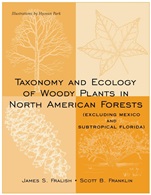
Taxonomy and Ecology of Woody Plants in North American Forests: (Excluding Mexico and Subtropical Florida)
ISBN 9780471161585
Autor: James S. Fralish, Scott B. Franklin
Wydawca: Wiley
Dostępność: 3-6 tygodni
Cena: 1 004,85 zł
Przed złożeniem zamówienia prosimy o kontakt mailowy celem potwierdzenia ceny.
ISBN13: |
9780471161585 |
ISBN10: |
0471161586 |
Autor: |
James S. Fralish, Scott B. Franklin |
Oprawa: |
Hardback |
Rok Wydania: |
2002-02-22 |
Ilość stron: |
624 |
Wymiary: |
241x195 |
Tematy: |
RB |
Thorough, detailed dendrological coverage of North American trees, shrubs, and vines
This comprehensive field guide/procedural handbook provides extraordinarily detailed descriptions of trees, shrubs, and vines of North American forests. Written at a more detailed level than most field guides, it introduces basic taxonomic concepts and methods and explains the rationale behind taxonomic classification systems.
Entries include Latin and common names for each species as well as physical descriptions at various levels of maturity and for different seasons. Also noted are regional and state distributions, soil conditions, cover types, shade tolerances, and common diseases and pests. This remarkably thorough and reliable reference includes: Detailed descriptions of more than 800 species Hundreds of additional varieties and cultivars 550 exquisitely detailed line drawings of leaves, bark, fruit, and seeds Broad coverage of commercial and noncommercial species An emphasis on the silvical features of each species A unique section on forest community ecology and cover typesThe new North American Classification System
Well–organized and practical, this authoritative guide is an immensely useful resource for foresters, wildlife and field biologists, naturalists, environmental scientists, and land managers.
Spis treści:
Preface.
1. Introduction to Taxonomy.
2. Introduction to Forest Ecology.
Part I: Taxonomic Concepts and Methodology.
3. Plant Classification.
4. Nomenclature.
5. Collecting and Preserving Specimens.
6. Key Construction and Use.
Part II: Gymnosperms (Division Pinophyta).
7. The Gymnosperms: An Overview.
8. Gymnosperm Vegetative and Reproductive Structures.
9. Order: Pinales I: Pinaceae: Pinus.
10. Order: Pinales II: Pinaceae: Larix, Picea, Abies, Tsuga, Pseudotsuga.
11. Order: Pinales III: Cupressaceae.
12. Orde
r: Taxales, Ginkgoales, and Cycadales.
Part III Woody Angiosperms (Division Magnoliophyta)13. The Woody Angiosperms: An Overview.
14. The Woody Angiosperm Leaf.
15. The Woody Angiosperm Twig.
16. Angiosperm Flower and Fruit Structures.
17. Class: Magnoliopsida;
Subclass: Magnoliidae. Magnoliaceae, Annonaceae, Lauraceae, Calycanthaceae, Aristolochiaceae,Illiciaceae, Schisandraceae, Ranunculaceae, Berberidaceae, Menispermaceae.
18. Class: Magnoliopsida;
Subclass: Hamamelidae I. Platanaceae, Hamamelidaceae, Ulmaceae, Moraceae, Juglandaceae,Myricaceae, Casuarinaceae.
19. Class: Magnoliopsida;
Subclass: Hamamelidae II. Fagaceae, Betulaceae.
20. Class: Magnoliopsida;
Subclass: Dilleniidae. Tiliaceae, Salicaceae, Ericaceae, Clethraceae, Cyrillaceae, Sapotaceae,Ebenaceae, Styracaceae, Symplocaceae, Clusiaceae.
21. Class: Magnoliopsida;
Subclass: Rosidae IRosaceae, Fabaceae, Elaeagnaceae, Thymelaeaceae, Hydrangeaceae,Grossulariaceae, Iteaceae, Cornaceae, Garryaceae, Nyssaceae,Aquifoliaceae, Celastraceae, Rhamnaceae, Vitaceae, Araliaceae.
22. Class: Magnoliopsida;
Subclass Rosidae IIAceraceae, Sapindaceae, Anacardiaceae, Hippocastanaceae,Staphyleaceae, Rutaceae, Simaroubaceae.
23. Class: Magnoliopsida;
Subclass: AsteridaeOleaceae, Bignoniaceae, Scrophulariaceae, Rubiaceae,Caprifoliaceae, Adoxaceae.
24. Class: Liliopsida (Monocotyledoneae)Arecaceae, Poaceae, SmilacaceaePart IV: Forest Community Ecology: Combining Species into Communities.
25. Introduction to Forest Ecology and Classification.
26. Forest Environment and Cover Types Regions 1 and 2: Northern Conifer–Hardwoodand Northern Hardwood–Conifer Forests.
27. Forest Environment and Cover Types Region 3: Central Hardwood Forest.
28. Forest Environment and Cover Types Region 4: Southern Pine–Hardwood Forest.
29. Forest Environment and Cover Types Regions 5 and 6: Rocky Mountain Conifer Forests.
30. Forest Environment and Cover Type
s Region 7: Northern and Southern Coastal Conifer Forests.
Glossary of Technical Terms.
Glossary of Genus and Species Names.
References.
Index of Species.
Subject Index.
Nota biograficzna:
JAMES S. FRALISH, PhD, is Professor Emeritus in the Department of Forestry at Southern Illinois University at Carbondale.
SCOTT B. FRANKLIN, PhD, is Assistant Professor in the Department of Biology at the University of Memphis.
HYOSUN PARK, BA, is a freelance illustrator and artist living in Milwaukee, Wisconsin.
Okładka tylna:
Thorough, detailed dendrological coverage of North American trees, shrubs, and vines
This comprehensive field guide/procedural handbook provides extraordinarily detailed descriptions of trees, shrubs, and vines of North American forests. Written at a more detailed level than most field guides, it introduces basic taxonomic concepts and methods and explains the rationale behind taxonomic classification systems.
Entries include Latin and common names for each species as well as physical descriptions at various levels of maturity and for different seasons. Also noted are regional and state distributions, soil conditions, cover types, shade tolerances, and common diseases and pests. This remarkably thorough and reliable reference includes: Detailed descriptions of more than 800 species Hundreds of additional varieties and cultivars 550 exquisitely detailed line drawings of leaves, bark, fruit, and seeds Broad coverage of commercial and noncommercial species An emphasis on the silvical features of each species A unique section on forest community ecology and cover typesThe new North American Classification System
Well–organized and practical, this authoritative guide is an immensely useful resource for foresters, wildlife and field biologists, naturalists, environmental scientists, and land managers.
Koszyk
Książek w koszyku: 0 szt.
Wartość zakupów: 0,00 zł
Informacje


Kontakt
Gambit
Centrum Oprogramowania
i Szkoleń Sp. z o.o.
Al. Pokoju 29b/22-24
31-564 Kraków
Siedziba Księgarni
ul. Kordylewskiego 1
31-542 Kraków
+48 12 410 5991
+48 12 410 5987
+48 12 410 5989
Subskrypcje
Administratorem danych osobowych jest firma Gambit COiS Sp. z o.o. Na podany adres będzie wysyłany wyłącznie biuletyn informacyjny.
Autoryzacja płatności

Informacje na temat autoryzacji płatności poprzez PayU.

© Copyright 2012: GAMBIT COiS Sp. z o.o. Wszelkie prawa zastrzeżone.
Projekt i wykonanie: Alchemia Studio Reklamy