


Wydawcy
Katalog tematyczny
- Archeologia (109)
- Ekonomia, finanse, business (13704)
- Filozofia (1445)
- Historia (3040)
- Języki i językoznawstwo (2356)
- Lifestyle, hobby i rozrywka (475)
- Medycyna (9704)
- Nauki humanistyczne (4)
- Nauki o Ziemi i środowisku (2638)
- Nauki ścisłe (20412)
- Nauki społeczne (8486)
- Edukacja (229)
- Kryminologia, opieka spełeczna (284)
- Obronność (10)
- Polityka (1389)
- Psychologia (777)
- Socjologia (410)
- Społeczeństwo i kultura (187)
- Nauki techniczne (13450)
- Prawo (1696)
- Publikacje informacyjne i interdyscyplinarne (1288)
- Religia i wierzenia (917)
- Technika komputerowa (4067)
- Zdrowie, relacje międzyludzkie i rozwój osobisty (657)





Informacje szczegółowe o książce
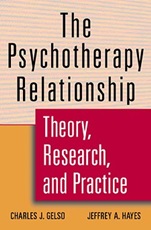
The Psychotherapy Relationship: Theory, Research, and Practice
ISBN 9780471127208
Autor: Charles J. Gelso, Jeffrey A. Hayes
Wydawca: Wiley
Dostępność: 3-6 tygodni
Cena: 537,60 zł
Przed złożeniem zamówienia prosimy o kontakt mailowy celem potwierdzenia ceny.
ISBN13: |
9780471127208 |
ISBN10: |
0471127205 |
Autor: |
Charles J. Gelso, Jeffrey A. Hayes |
Oprawa: |
Hardback |
Rok Wydania: |
1998-09-15 |
Ilość stron: |
304 |
Wymiary: |
241x168 |
Tematy: |
JC |
Human beings are social creatures, and from the moment we enter the world, our personal horizons are defined by our relationships with others. Parents, siblings, teachers, friends, lovers, colleagues–even the countless strangers with whom we interact during the course of any given day–we exist through them and they through us. This book is concerned with one of the most profound, yet difficult to define of human relationships, the healing relationship of psychotherapy.
There are many psychotherapeutic schools of thought, and while they may vary considerably in theory and methodology, virtually all agree that the relationship that develops between therapist and client is important to the success of treatment. But how do you define a "successful" client/therapist relationship? How exactly does the psychotherapy relationship influence process and outcome? What are its various components, and which are most important to the healing process? In this groundbreaking study, Charles Gelso and Jeffrey Hayes provide answers to these and other challenging questions about The Psychotherapy Relationship.
The authors begin by defining the three main components of the psychotherapy relationship: the working alliance, transference configuration, and the real relationship. They then consider how each is generally defined by and functions within various psychotherapeutic approaches, how each interrelates with the other two components within the context of the therapy relationship, and how relationship components and therapeutic techniques interact during treatment. Throughout, the authors draw upon their extensive clinical experience to offer advice and guidance on how to avoid and overcome major obstacles to a successful psychotherapy relationship.
The remainder of the book is devoted to a fascinating in–depth look at the psychotherapy relationship in action in four major psychotherapy schools: psychoanalytic, cognitive/behavioral, humanistic, and feminist
. Ever mindful of important factional differences within schools of thought, the authors explore the role of the relationship within each approach in terms of the centrality of the relationship; whether the relationship is seen as a means to an end or an end in itself; the extent to which the emphasis is on the "real" relationship versus the transference; and the manner in which the therapist uses power in the relationship.
The most penetrating and far–ranging exploration yet of this most crucial aspect of the psychotherapeutic process, The Psychotherapy Relationship is must reading for all psychotherapists.
A far–ranging and insightful exploration of one of the most important and controversial aspects of the psychotherapeutic process
The Psychotherapy Relationship is an impartial research–based exploration of the role of the client/therapist relationship in most major approaches to psychotherapy. Drs. Gelso and Hayes break the relationship down into its component parts–including the working alliance, transference/countertransference, and the real relationship–and define the function of each, as it interrelates with both the other two and with various intervention techniques. They explore various theories about the nature and function of the therapy relationship espoused by the psychoanalytic, cognitive/behavioral, humanistic, and feminist schools of thought. And they develop a broad–based, practical synthesis of theory, research, and personal clinical experience that all psychotherapists will find helpful in their efforts to assess and improve the quality of their relationships with their clients.
Spis treści:
The Psychotherapy Relationship and Its Components: An Introduction.
Working Alliance: The Foundation of the Psychotherapy Relationship.
Transference and Its Many Faces: The Unrealistic Relationship in Psychotherapy.
Countertransference: The Therapist′s Contribution to the "Unre
alistic" Relationship.
The Real Relationship: Beyond Transference and Alliance.
The Psychotherapy Relationship in Operation.
Psychoanalytic Visions of the Psychotherapy Relationship: Beyond Transference.
Cognitive and Behavioral Views of the Therapeutic Relationship: Beyond Techniques.
The Humanistic and Existential Vision of the Therapeutic Relationship: The Real Relationship and More.
Feminist Therapy: Beyond the Third Force.
References.
Index.
Nota biograficzna:
CHARLES J. GELSO, PhD, is a professor in the Department of Psychology, University of Maryland, College Park. He has written extensively about the client/therapist relationship in diverse approaches to psychotherapy, and has conducted numerous empirical studies on the topic. Dr. Gelso has also practiced both brief and long–term psychodynamic therapy throughout his career.
JEFFREY A. HAYES, PhD, is an assistant professor of counseling psychology at Pennsylvania State University, University Park. His research and theoretical writing focus primarily on the psychotherapy relationship, with a particular emphasis on countertransference. He maintains a private psychotherapy practice in State College, Pennsylvania.
Okładka tylna:
Human beings are social creatures, and from the moment we enter the world, our personal horizons are defined by our relationships with others. Parents, siblings, teachers, friends, lovers, colleagues–even the countless strangers with whom we interact during the course of any given day–we exist through them and they through us. This book is concerned with one of the most profound, yet difficult to define of human relationships, the healing relationship of psychotherapy.
There are many psychotherapeutic schools of thought, and while they may vary considerably in theory and methodology, virtually all agree that the relationship that develops between therapist and client is important to the success of trea
tment. But how do you define a "successful" client/therapist relationship? How exactly does the psychotherapy relationship influence process and outcome? What are its various components, and which are most important to the healing process? In this groundbreaking study, Charles Gelso and Jeffrey Hayes provide answers to these and other challenging questions about The Psychotherapy Relationship.
The authors begin by defining the three main components of the psychotherapy relationship: the working alliance, transference configuration, and the real relationship. They then consider how each is generally defined by and functions within various psychotherapeutic approaches, how each interrelates with the other two components within the context of the therapy relationship, and how relationship components and therapeutic techniques interact during treatment. Throughout, the authors draw upon their extensive clinical experience to offer advice and guidance on how to avoid and overcome major obstacles to a successful psychotherapy relationship.
The remainder of the book is devoted to a fascinating in–depth look at the psychotherapy relationship in action in four major psychotherapy schools: psychoanalytic, cognitive/behavioral, humanistic, and feminist. Ever mindful of important factional differences within schools of thought, the authors explore the role of the relationship within each approach in terms of the centrality of the relationship; whether the relationship is seen as a means to an end or an end in itself; the extent to which the emphasis is on the "real" relationship versus the transference; and the manner in which the therapist uses power in the relationship.
The most penetrating and far–ranging exploration yet of this most crucial aspect of the psychotherapeutic process, The Psychotherapy Relationship is must reading for all psychotherapists.
A far–ranging and insightful exploration of one of the most important and controversial aspe
Koszyk
Książek w koszyku: 0 szt.
Wartość zakupów: 0,00 zł
Informacje


Kontakt
Gambit
Centrum Oprogramowania
i Szkoleń Sp. z o.o.
Al. Pokoju 29b/22-24
31-564 Kraków
Siedziba Księgarni
ul. Kordylewskiego 1
31-542 Kraków
+48 12 410 5991
+48 12 410 5987
+48 12 410 5989
Subskrypcje
Administratorem danych osobowych jest firma Gambit COiS Sp. z o.o. Na podany adres będzie wysyłany wyłącznie biuletyn informacyjny.
Autoryzacja płatności

Informacje na temat autoryzacji płatności poprzez PayU.

© Copyright 2012: GAMBIT COiS Sp. z o.o. Wszelkie prawa zastrzeżone.
Projekt i wykonanie: Alchemia Studio Reklamy