


Wydawcy
Katalog tematyczny
- Archeologia (109)
- Ekonomia, finanse, business (13704)
- Filozofia (1445)
- Historia (3040)
- Języki i językoznawstwo (2356)
- Lifestyle, hobby i rozrywka (475)
- Medycyna (9704)
- Nauki humanistyczne (4)
- Nauki o Ziemi i środowisku (2638)
- Nauki ścisłe (20412)
- Astronomia (294)
- Biologia (5119)
- Chemia (6540)
- Chemia analityczna (361)
- Chemia fizyczna (346)
- Chemia nieorganiczna (137)
- Chemia organiczna (535)
- Krystalografia (27)
- Minerologia (46)
- Fizyka (3309)
- Matematyka (4574)
- Nauki ścisłe, ogólnie (503)
- Nauki społeczne (8486)
- Nauki techniczne (13450)
- Prawo (1696)
- Publikacje informacyjne i interdyscyplinarne (1288)
- Religia i wierzenia (917)
- Technika komputerowa (4067)
- Zdrowie, relacje międzyludzkie i rozwój osobisty (657)





Informacje szczegółowe o książce
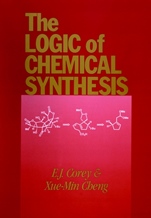
The Logic of Chemical Synthesis
ISBN 9780471115946
Autor: E. J. Corey, Xue–Min Cheng
Wydawca: Wiley
Dostępność: 3-6 tygodni
Cena: 691,95 zł
Przed złożeniem zamówienia prosimy o kontakt mailowy celem potwierdzenia ceny.
ISBN13: |
9780471115946 |
ISBN10: |
0471115940 |
Autor: |
E. J. Corey, Xue–Min Cheng |
Oprawa: |
Paperback |
Rok Wydania: |
1995-09-05 |
Ilość stron: |
464 |
Wymiary: |
250x184 |
Tematy: |
PN |
The Logic of Chemical Synthesis The title of this three–part volume derives from a key theme of the book–the logic underlying the rational analysis of complex synthetic problems. Although the book deals almost exclusively with molecules of biological origin, which are ideal for developing the fundamental ideas of multistep synthetic design because of their architectural complexity and variety, the approach taken is fully applicable to other types of carbon–based structures. Part One outlines the basic concepts of retrosynthetic analysis and the general strategies for generating possible synthetic pathways by logical reduction of molecular complexity. Systematic retrosynthetic analysis and the concurrent use of multiple independent strategies to guide problem solving greatly simplify the task of devising a new synthesis. This way of thinking has been used for more than two decades by one of the authors to teach the analysis of difficult synthetic problems to many hundreds of chemists. A substantial fraction of the intricate syntheses which have appeared in the literature in recent years have been produced by these individuals and their students. Part Two, a collection of multistep syntheses, provides much integrated information on synthetic methods and pathways for the construction of interesting target molecules. These syntheses are the result of synthetic planning which was based on the general principles summarized in Part One. Thus, Part Two serves to supplement Part One with emphasis on the reactions of synthesis and on specific examples of retrosynthetically planned syntheses. Part Three is intended to balance the coverage of Parts One and Two and to serve as a convenient guide to the now enormous literature of multistep synthesis. Information on more than six hundred interesting multistep syntheses of biologically derived molecules is included. It is hoped that the structural range and variety of target molecules presented in Part Three will
appeal to many chemists.
Spis treści:
GENERAL APPROACHES TO THE ANALYSIS OF COMPLEX SYNTHETIC PROBLEMS.
The Basis for Retrosynthetic Analysis.
Transform–Based Strategies.
Structure–Based and Topological Strategies.
Stereochemical Strategies.
Functional Group–Based and Other Strategies.
Concurrent Use of Several Strategies.
SPECIFIC PATHWAYS FOR THE SYNTHESIS OF COMPLEX MOLECULES.
Macrocyclic Structures.
Heterocyclic Structures.
Sesquiterpenoids.
Polycyclic Isoprenoids.
Prostanoids.
Leukotrienes and Other Bioactive Polyenes.
GUIDE TO THE ORIGINAL LITERATURE OF MULTISTEP SYNTHESIS.
Index.
Nota biograficzna:
ELIAS JAMES COREY, winner of the 1990 Nobel Prize in Chemistry, is Sheldon Emery Professor in the Department of Chemistry at Harvard University. XUE–MIN CHENG is a Research Associate specializing in cardiovascular medicinal chemistry at Parke–Davis/Warner–Lambert Company.
Okładka tylna:
The Logic of Chemical Synthesis The title of this three–part volume derives from a key theme of the book–the logic underlying the rational analysis of complex synthetic problems. Although the book deals almost exclusively with molecules of biological origin, which are ideal for developing the fundamental ideas of multistep synthetic design because of their architectural complexity and variety, the approach taken is fully applicable to other types of carbon–based structures. Part One outlines the basic concepts of retrosynthetic analysis and the general strategies for generating possible synthetic pathways by logical reduction of molecular complexity. Systematic retrosynthetic analysis and the concurrent use of multiple independent strategies to guide problem solving greatly simplify the task of devising a new synthesis. This way of thinking has been used for more than two decades by one of the authors to teach the analysis
of difficult synthetic problems to many hundreds of chemists. A substantial fraction of the intricate syntheses which have appeared in the literature in recent years have been produced by these individuals and their students. Part Two, a collection of multistep syntheses, provides much integrated information on synthetic methods and pathways for the construction of interesting target molecules. These syntheses are the result of synthetic planning which was based on the general principles summarized in Part One. Thus, Part Two serves to supplement Part One with emphasis on the reactions of synthesis and on specific examples of retrosynthetically planned syntheses. Part Three is intended to balance the coverage of Parts One and Two and to serve as a convenient guide to the now enormous literature of multistep synthesis. Information on more than six hundred interesting multistep syntheses of biologically derived molecules is included. It is hoped that the structural range and variety of target molecules presented in Part Three will appeal to many chemists.
Koszyk
Książek w koszyku: 0 szt.
Wartość zakupów: 0,00 zł
Informacje


Kontakt
Gambit
Centrum Oprogramowania
i Szkoleń Sp. z o.o.
Al. Pokoju 29b/22-24
31-564 Kraków
Siedziba Księgarni
ul. Kordylewskiego 1
31-542 Kraków
+48 12 410 5991
+48 12 410 5987
+48 12 410 5989
Subskrypcje
Administratorem danych osobowych jest firma Gambit COiS Sp. z o.o. Na podany adres będzie wysyłany wyłącznie biuletyn informacyjny.
Autoryzacja płatności

Informacje na temat autoryzacji płatności poprzez PayU.

© Copyright 2012: GAMBIT COiS Sp. z o.o. Wszelkie prawa zastrzeżone.
Projekt i wykonanie: Alchemia Studio Reklamy