


Wydawcy
Katalog tematyczny
- Archeologia (109)
- Ekonomia, finanse, business (13704)
- Filozofia (1445)
- Historia (3040)
- Języki i językoznawstwo (2356)
- Lifestyle, hobby i rozrywka (475)
- Medycyna (9704)
- Nauki humanistyczne (4)
- Nauki o Ziemi i środowisku (2638)
- Nauki ścisłe (20412)
- Nauki społeczne (8486)
- Edukacja (229)
- Kryminologia, opieka spełeczna (284)
- Obronność (10)
- Polityka (1389)
- Psychologia (777)
- Socjologia (410)
- Społeczeństwo i kultura (187)
- Nauki techniczne (13450)
- Prawo (1696)
- Publikacje informacyjne i interdyscyplinarne (1288)
- Religia i wierzenia (917)
- Technika komputerowa (4067)
- Zdrowie, relacje międzyludzkie i rozwój osobisty (657)





Informacje szczegółowe o książce
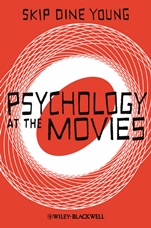
Psychology at the Movies
ISBN 9780470971772
Autor: Skip Dine Young
Wydawca: Wiley
Dostępność: 3-6 tygodni
Cena: 161,70 zł
Przed złożeniem zamówienia prosimy o kontakt mailowy celem potwierdzenia ceny.
ISBN13: |
9780470971772 |
ISBN10: |
0470971770 |
Autor: |
Skip Dine Young |
Oprawa: |
Paperback |
Rok Wydania: |
2012-03-16 |
Ilość stron: |
268 |
Wymiary: |
227x155 |
Tematy: |
JC |
All movies are psychologically alive, exploding with human drama. This drama can be seen from many different angles–in the movies themselves, in the people who make them, and in the people who watch them. Psychology at the Movies explores these issues and addresses how psychologists have interpreted movies and how psychotherapy and psychopathology have been depicted in film. The author also examines the psychological make–up of legendary directors, such as Hitchcock, Scorsese and Woody Allen, and actors such as Angelina Jolie and Jack Nicholson. Also considered is the powerful impact that film can have on its audience. The author draws upon his extensive experience in the fields of film and psychology to reveal the deep connections between the fantasy world of cinema and the realities of everyday life. Engagingly written to appeal to academics and movie fans alike, Psychology at the Movies is a front row ticket to issues at the forefront of popular cinema and the human mind.
List of Illustrations and Figures xi Acknowledgments xiii 1. Introduction—The Many Sides of Psychology and the Many Faces of the Movies 3 Goals of Psychology at the Movies 6 Story, Entertainment and Art in the Movies 9 A Liberal Use of Psychology 10 A Symbolic Framework for the Psychology of Film 12 Organization of Psychology at the Movies 14 Further Reading 16 2. The Search for Meaning—Psychological Interpretations in the Movies 19 Human Behavior in the Movies 21 Unconscious Conflict in the Movies 24 Archetypes in the Movies 28 Ideology in the Movies 30 Spectators in the Movies 33 Closing Shots: The Boons and Banes of Interpretation 37 Further Reading 39 3. Psychopathology, Psychotherapy and Psycho —Psychologists and Their Patients in the Movies 43 Representations of Psychological Disorders 44 Representations of Psychologists and Psychological Treatment 49 Closing Shots: The Impact of Representations of Psychology 55 Further Reading 60 4. Crazy Genius—The Psychology of Filmmakers 63 Psychobiography and Filmmakers 64 Auteurs: Profiles of Directors 65 Star–Gazing: Profiles of Actors 69 Psychology for Filmmakers: The Case ofWoody Allen 73 Closing Shots: Evaluating Psychobiography 76 Further Reading 77 5. Picturing the Audience—Psychological Profiles of Moviegoers 81 Movie Audiences through the Years 83 The Movies PeopleWatch 85 The Movies People Like 88 Closing Shots: The Viewers behind the Numbers 91 Further Reading 91 6. The Cinematic Moment—Emotions and the Comprehension of Movies 95 Cognitive Psychology and the Movies 96 The Perception of Movies 97 The Narrative Comprehension of Movies 99 The Emotional Comprehension of Movies 101 Brain Functioning and the Movies 107 Closing Shots: An Unlikely Partnership 109 Further Reading 110 7. Reflecting on the Screen—The Reception of Movies 113 Viewer Enjoyment of Movies 115 Viewer Interpretations of Movies 120 Closing Shots: The Challenges of Audience Response 126 Further Reading 127 8. The Movies Made Me Do It—The Effects of Film 131 Effects on Behavior 133 Effects on Thoughts and Emotions 139 Propaganda and Effects on Culture 143 Closing Shots: The Great Debate over Media Effects 145 Further Reading 149 9. Movies as Equipment for Living—The Functions of Film 153 Professional Functions of Movies 155 General Functions of Movies in Everyday Life 159 Personal Functions of Movies in Everyday Life 161 Closing Shots: Seeing Movies from a Different Angle 168 Further Reading 169 10. Conclusion—Putting the Pieces Together 173 An Appeal for Interdisciplinarity 177 Movies as Art 179 Appendix A: Mental Health Professionals in Top Box Office Grossing Movies, 1990–1999 181 Appendix B: Three Top 50 Lists of Acclaimed Movies 183 Appendix C: Emotionally Arousing Movie Scenes 187 Appendix D: Therapeutic Movies 189 Endnotes 191 Bibliography 219 Filmography 239 Index 249
Skip Dine Young is a Professor of Psychology at Hanover College in Indiana. He is a licensed clinical psychologist with interests in popular culture, narrative psychology and human development.
“From the beginning of the text, Psychology at the Movies draws the reader in and provides a clear direction and foundation to be built upon through the remainder of the text. Young’s ability to do so, not only allows this text to be read and applied in various fields, but also could be used in any level of study. From the movie buff who seeks to learn about their past time to psychology and other social science students, this text offers a balanced amount of both breadth and depth.” ( The Journal of Popular Culture , 29 August 2013) “In sum, Psychology at the Movies offers the basis for a useful survey course in film and psychology, packaged in an engaging format. As Young asserts, “Once you start looking for it, you can’t escape psychology in the movies” (p. 6). And he adds, “Sometimes . . . a movie stays with us, and we reflect on it—for an hour, a week, a year or a lifetime” (p. 114). With the increasing prevalence of massive open online courses (MOOCS), Young’s seminar has potential to interest a very wide audience.” ( PsycCRITIQUES , 6 February 2013)
Koszyk
Książek w koszyku: 0 szt.
Wartość zakupów: 0,00 zł
Informacje


Kontakt
Gambit
Centrum Oprogramowania
i Szkoleń Sp. z o.o.
Al. Pokoju 29b/22-24
31-564 Kraków
Siedziba Księgarni
ul. Kordylewskiego 1
31-542 Kraków
+48 12 410 5991
+48 12 410 5987
+48 12 410 5989
Subskrypcje
Administratorem danych osobowych jest firma Gambit COiS Sp. z o.o. Na podany adres będzie wysyłany wyłącznie biuletyn informacyjny.
Autoryzacja płatności

Informacje na temat autoryzacji płatności poprzez PayU.

© Copyright 2012: GAMBIT COiS Sp. z o.o. Wszelkie prawa zastrzeżone.
Projekt i wykonanie: Alchemia Studio Reklamy