


Wydawcy
Katalog tematyczny
- Archeologia (109)
- Ekonomia, finanse, business (13704)
- Filozofia (1445)
- Historia (3040)
- Języki i językoznawstwo (2356)
- Lifestyle, hobby i rozrywka (475)
- Medycyna (9704)
- Nauki humanistyczne (4)
- Nauki o Ziemi i środowisku (2638)
- Nauki ścisłe (20412)
- Nauki społeczne (8486)
- Nauki techniczne (13450)
- Budownictwo lądowe (1045)
- Chemia przemysłowa (2258)
- Elektronika i telekomunikacja (3287)
- Energetyka (1122)
- Inne nauki stosowane (363)
- Inżynieria biochemiczna (507)
- Inżynieria transportu (232)
- Mechanika i materiały (3316)
- Nauka o środowisku (321)
- Rolnictwo (507)
- Technika, ogólnie (475)
- Prawo (1696)
- Publikacje informacyjne i interdyscyplinarne (1288)
- Religia i wierzenia (917)
- Technika komputerowa (4067)
- Zdrowie, relacje międzyludzkie i rozwój osobisty (657)





Informacje szczegółowe o książce
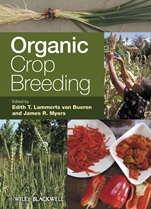
Organic Crop Breeding
ISBN 9780470958582
Autor: Edith T. Lammerts van Bueren, James R. Myers
Wydawca: Wiley
Dostępność: 3-6 tygodni
Cena: 746,55 zł
Przed złożeniem zamówienia prosimy o kontakt mailowy celem potwierdzenia ceny.
ISBN13: |
9780470958582 |
ISBN10: |
0470958588 |
Autor: |
Edith T. Lammerts van Bueren, James R. Myers |
Oprawa: |
Hardback |
Rok Wydania: |
2012-02-03 |
Ilość stron: |
308 |
Wymiary: |
249x171 |
Tematy: |
TV |
Organic crop production utilizes different approaches and growing environments compared to conventionally raised crops to achieve production in growing systems that mimic natural ecosystems. These systems seek to employ fewer direct inputs and innovative agronomic methods to achieve this goal. This alternative approach has attracted great interest in this rapidly expanding method of crop production. Organic Crop Breeding brings together the latest research on the development of new varieties and cultivars best suited to thrive under organic production. It will also be of interest to those breeding in conventional systems who wish to adapt their breeding goals to sustainable low input agriculture. Organic Crop Breeding will be a useful tool to helping meet the increasing global demand for organically produced grains, vegetables, and fruits. The book is divided into two sections that logically cover the topic from foundational principles to crop–specific examples of organic breeding efforts. The opening section looks at general topics related to organic crop breeding ranging from nutrient management to disease and pest resistance. The second section looks at the applications of these principles to economically important crops such as wheat, maize, rice, potato, legumes and tomato. Written by a global team of the leading experts in the field, Organic Crop Breeding is a field–defining reference that will be of both academic and practical use.
Contributors xiii Foreword xix William F. Tracy Preface xxi Edith T. Lammerts van Bueren and James R. Myers Acknowledgments xxiii Section 1 General Topics Related to Organic Plant Breeding 1 Chapter 1 Organic Crop Breeding: Integrating Organic Agricultural Approaches and Traditional and Modern Plant Breeding Methods 3 Edith T. Lammerts van Bueren and James R. Myers Introduction 3 How Different Are Organic Farming Systems? 4 Consequences for Cultivar Requirements 5 From Cultivar Evaluation to Organic Seed Production and Plant Breeding Programs 6 The History of Organic Crop Breeding in Europe and the United States 8 Perspectives and Challenges for Breeding for Organic Agriculture 11 Conclusion 12 References 12 Chapter 2 Nutrient Management in Organic Farming and Consequences for Direct and Indirect Selection Strategies 15 Monika Messmer, Isabell Hildermann, Kristian Thorup–Kristensen, and Zed Rengel Introduction 15 Availability of Nutrients in Organic Farming 16 Roots: The Hidden Potential 17 Even Greater Complexity: Plant–Microbe–Soil Interactions 21 Importance of Selection Environments 27 Breeding Strategies 30 References 32 Chapter 3 Pest and Disease Management in Organic Farming: Implications and Inspirations for Plant Breeding 39 Thomas F. D¨oring, Marco Pautasso, Martin S. Wolfe, and Maria R. Finckh Introduction 39 Plant Protection in Organic Farming 42 Key Target Areas of Plant Breeding for Organic Plant Protection 46 Breeding Goals for Ecological Plant Protection 49 Plant Breeding Approaches Directly Targeting Pests or Diseases 50 Plant Breeding Approaches with Indirect Effects on Plant Health 53 Discussion and Conclusions 54 References 55 Chapter 4 Approaches to Breed for Improved Weed Suppression in Organically Grown Cereals 61 Steve P. Hoad, Nils–Ove Bertholdsson, Daniel Neuhoff, and Ulrich Kopke Background 61 Crop Competitiveness Against Weeds 62 Crop Traits Involved in Weed Suppression 63 Selection of Traits and Their Evaluation in Plant Breeding Programs 64 Selection Strategies 68 Understanding Crop–Weed Interactions to Assist Plant Breeding 70 Concluding Remarks and Wider Perspectives 71 References 72 Chapter 5 Breeding for Genetically Diverse Populations: Variety Mixtures and Evolutionary Populations 77 Julie C. Dawson and Isabelle Goldringer Introduction 77 Benefits of Genetic Diversity for Organic Agriculture 79 On–Farm Conservation of Useful Genetic Diversity 80 Breeding Strategies 81 Conclusion 94 References 94 Chapter 6 Centralized or Decentralized Breeding: The Potentials of Participatory Approaches for Low–Input and Organic Agriculture 99 Dominique Desclaux, Salvatore Ceccarelli, John Navazio, Micaela Coley, Gilles Trouche, Silvio Aguirre, Eva Weltzien, and Jacques Lancon Introduction 99 Centralized and Decentralized Breeding: Definitions 100 What Can Be Decentralized in Breeding and Why? 100 Participatory Approaches 102 PPB: A Single Term Yielding Different Approaches 102 Some Examples of PPB for Organic and Low Input Agriculture in Southern Countries 106 Some Examples of PPB for Organic and Low Input Agriculture in Northern Countries 113 General Conclusions and Limits of PPB Approaches in Organic Farming 119 References 120 Chapter 7 Values and Principles in Organic Farming and Consequences for Breeding Approaches and Techniques 125 Klaus P. Wilbois, Brian Baker, Maaike Raaijmakers, and Edith T. Lammerts van Bueren Introduction 125 Arguments Against Genetic Engineering 126 Organic Basic Principles 127 Toward Organic Breeding 130 From Values to Criteria: Evaluation of Breeding Techniques 131 How to Deal with Varieties Bred with Non–compliant Techniques? 132 Toward Appropriate Standards to Promote Organic Plant Breeding 135 Discussion and Challenges for Organic Plant Breeding 136 References 136 Chapter 8 Plant Breeding, Variety Release, and Seed Commercialization: Laws and Policies Applied to the Organic Sector 139 Veronique Chable, Niels Louwaars, Kristina Hubbard, Brian Baker, and Riccardo Bocci Introduction 139 The Developments of Plant Breeding and the Emergence of Seed Laws 139 Variety Registration 142 Seed Quality Control and Certification 144 Special Needs for Organic Agriculture 146 A Recent Development in Europe: Conservation Varieties 148 Intellectual Property Rights and Plant Breeding 151 Discussion 154 Conclusions 156 Notes 156 References 157 Section 2 Organic Plant Breeding in Specific Crops 161 Chapter 9 Wheat: Breeding for Organic Farming Systems 163 Matt Arterburn, Kevin Murphy, and Steve S. Jones Introduction 163 Methods 163 Traits for Selection in Organic Breeding Programs 168 A Case Study for EPB: Lexi’s Project 170 A Case Study for Breeding within a Supply Chain Approach: Peter Kunz and Sativa 171 Conclusion 171 References 172 Chapter 10 Maize: Breeding and Field Testing for Organic Farmers 175 Walter A. Goldstein, Walter Schmidt, Henriette Burger, Monika Messmer, Linda M. Pollak, Margaret E. Smith, Major M. Goodman, Frank J. Kutka, and Richard C. Pratt Introduction 175 What Kind of Maize do Organic Farmers Want? 175 Are There Viable Alternatives to Single Cross Hybrids? 176 Testing and Using Alternative Hybrids 178 Are There Benefits for Breeding under Organic Conditions? 178 For Which Traits Is It Necessary to Test under Organic Conditions? 179 Choice of Parents for Breeding Programs 181 Breeding Programs 182 Future Directions 186 Notes 186 References 188 Chapter 11 Rice: Crop Breeding Using Farmer–Led Participatory Plant Breeding 191 Charito P. Medina Introduction 191 MASIPAG and Participatory Rice Breeding 192 Beyond PPB: Farmer–Led Rice Breeding 193 The Breeding Process 194 Outcomes of the MASIPAG Program 198 Outlook 200 References 201 Chapter 12 Soybean: Breeding for Organic Farming Systems 203 Johann Vollmann and Michelle Menken Introduction 203 Agronomic Characters 204 Seed Quality Features 208 Considerations on Breeding Methods 211 References 212 Chapter 13 Faba Bean: Breeding for Organic Farming Systems 215 Wolfgang Link and Lamiae Ghaouti Purposes of Breeding and Growing Faba Bean 215 Genetic and Botanical Basics of Breeding Faba Bean 216 Methodological Considerations 218 Traits To Be Improved in Faba Bean Breeding 221 Open Questions, Need for Action 223 References 224 Chapter 14 Potato: Perspectives to Breed for an Organic Crop Ideotype 227 Marjolein Tiemens–Hulscher, Edith T. Lammerts van Bueren, and Ronald C.B. Hutten Introduction 227 Required Cultivar Characteristics 228 Introgression Breeding and Applied Techniques 232 Participatory Approach: An Example from the Netherlands 233 Outlook 234 References 234 Chapter 15 Tomato: Breeding for Improved Disease Resistance in Fresh Market and Home Garden Varieties 239 Bernd Horneburg and James R. Myers Introduction 239 Botanical and Genetic Characteristics of Tomato 240 Rationale for Breeding Tomatoes within Organic Systems 240 Breeding Needs with Focus on Organic Production 243 Case Studies: Breeding for Late Blight Resistance in Europe and North America 245 Outlook 247 References 248 Chapter 16 Brassicas: Breeding Cole Crops for Organic Agriculture 251 James R. Myers, Laurie McKenzie, and Roeland E. Voorrips Introduction 251 Rationale for Breeding within Organic Systems 251 Plant Biology 252 Traits Needed for Adaptation to Organic Production 253 Consideration of Breeding Methods 257 A Farmer Participatory Broccoli Breeding Program 258 Outlook 260 References 261 Chapter 17 Onions: Breeding Onions for Low–Input and Organic Agriculture 263 Olga E. Scholten and Thomas W. Kuyper Introduction 263 Robust Onion Cultivars 264 Breeding for Improved Nutrient Acquisition 265 Mycorrhizal Symbiosis and Product Quality 269 Conclusion 270 References 271 Index 273
Edith T. Lammerts van Bueren holds an endowed chair at Wageningen University as Professor of Organic Plant Breeding and senior researcher Organic Plant Breeding at the Louis Bolk Institute in the Netherlands. James R. Myers is the Baggett–Frazier Professor of Vegetable Breeding and Genetics in the Department of Horticulture at Oregon State University.
“The editors have done an excellent job in putting together a well–organized and informative book, which covers theory, practice, issues and the latest research.” ( Experimental Agriculture , 4 October 2012)
Koszyk
Książek w koszyku: 0 szt.
Wartość zakupów: 0,00 zł
Informacje


Kontakt
Gambit
Centrum Oprogramowania
i Szkoleń Sp. z o.o.
Al. Pokoju 29b/22-24
31-564 Kraków
Siedziba Księgarni
ul. Kordylewskiego 1
31-542 Kraków
+48 12 410 5991
+48 12 410 5987
+48 12 410 5989
Subskrypcje
Administratorem danych osobowych jest firma Gambit COiS Sp. z o.o. Na podany adres będzie wysyłany wyłącznie biuletyn informacyjny.
Autoryzacja płatności

Informacje na temat autoryzacji płatności poprzez PayU.

© Copyright 2012: GAMBIT COiS Sp. z o.o. Wszelkie prawa zastrzeżone.
Projekt i wykonanie: Alchemia Studio Reklamy