


Wydawcy
Katalog tematyczny
- Archeologia (109)
- Ekonomia, finanse, business (13704)
- Filozofia (1445)
- Historia (3040)
- Języki i językoznawstwo (2356)
- Lifestyle, hobby i rozrywka (475)
- Medycyna (9704)
- Nauki humanistyczne (4)
- Nauki o Ziemi i środowisku (2638)
- Nauki ścisłe (20412)
- Nauki społeczne (8486)
- Nauki techniczne (13450)
- Prawo (1696)
- Publikacje informacyjne i interdyscyplinarne (1288)
- Religia i wierzenia (917)
- Technika komputerowa (4067)
- Zdrowie, relacje międzyludzkie i rozwój osobisty (657)





Informacje szczegółowe o książce
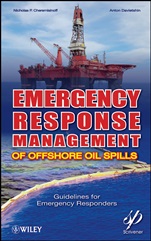
Emergency Response Management of Offshore Oil Spills: Guidelines for Emergency Responders
ISBN 9780470927120
Autor: Nicholas P. Cheremisinoff, Anton Davletshin
Wydawca: Wiley
Dostępność: 3-6 tygodni
Cena: 914,55 zł
Przed złożeniem zamówienia prosimy o kontakt mailowy celem potwierdzenia ceny.
ISBN13: |
9780470927120 |
ISBN10: |
0470927127 |
Autor: |
Nicholas P. Cheremisinoff, Anton Davletshin |
Oprawa: |
Hardback |
Rok Wydania: |
2010-12-03 |
Ilość stron: |
546 |
Wymiary: |
236x160 |
Tematy: |
HB |
Examines the Deepwater Horizon disaster and offers processes for safety and environmental protection
Though renewable energy is a growing piece of the energy "pie," fossil fuels still dominate our energy supplies and will continue to do so for decades. This makes offshore drilling, especially in places like the Gulf of Mexico and North Sea, extremely important for the future of the world′s energy supply. Unfortunately, the world has been witnessing, over and over again, accidents, deadly explosions, spills, and environmental disasters that could have been avoided with proper safety and environmental processes put in place. The Deepwater Horizon catastrophe is the largest offshore oil spill in U.S. history and an ecological nightmare of epic proportions. Emergency Response Management of Offshore Oil Spills aids in the response of this and future disasters by providing this handy reference volume for engineers, managers, and other emergency responders.
This timely publication outlines the toxic nature of crude oil, covering properties of crude oil, chemical composition, toxicity to humans and marine life, and investigates the impact of oil spills from historical case studies. The current arsenals available to address oil spills, such as dispersants, absorbing booms, skimming, and other methods, are also discussed. Technologies that are rapidly being developed to address the Gulf Oil Spill are considered, along with extensive information on chemical protective clothing, air monitoring, respiratory protection, management of waste, and much more. The book concludes with a chapter discussing responsible care and takes a critical look at the reasons why the Deepwater Horizon rig catastrophe happened and examines the follow–up that ensued after the incident.
Emergency Response Management of Offshore Oil Spills provides:
Examples of 26 major oil spills ranked from largest to smallest, describing each incident and t
he amount of oil spilled
Recommendations and guidance on proper air monitoring methods
Suggestions related to protective garments such as respirators
Comparative product information on chemical dispersants, shoreline bleaching and cleaning chemicals
Detailed toxicity data for humans and marine life
Discussions in the areas of deficiencies in responding to spills and why the oil industry needs to be more responsive to developing technologies
Hazardous materials protocols, including OSHA– and EPA– recommended safe work practices for dealing with hazardous materials
Spis treści:
Preface.
1. Toxic Nature of Crude Oil.
1.1 High Risk Areas.
1.2 Potential Impacts.
1.3 Definitions.
1.4 Examples of Historical Oil Spills and Their Impacts.
2. Origins of Spills.
2.1 Offshore Drilling.
2.2 Case Study.
3. Use of Chemical Dispersants.
3.1 Dispersants.
3.2 Methods of Applicaion.
3.3 Types of Dispensants and Commerical Products.
4. Combating Spills at the Shoreline.
4.1 Chemical Warfare.
4.2 Booms and Barriers.
5. Emerging Technologies.
5.1 Clean World Innovations and EncapSol.
5.2 Centrifuges.
5.3 Skimmers and Response Vessels.
6. Spill Response and Worker Protection.
6.1 Countermeasure Options.
6.2 Spill Response Protocols and Strategies.
6.3 Worker Protection.
6.4 The Oil Spill Response Plan.
6.5 Air Monitoring.
7. Standard of Care and The BP Oil Spill.
7.1 The Impacts.
7.2 The Waxman/Stupak Letter.
7.3 Standard of Care.
Index.
About the Authors.
Nota biograficzna:
Nicholas P. Cheremisinoff is a consultant to industry and governments on standard of care as it pertains to environmental management and worker protection. He has more than 35 years of international consulting, business, and applied research
and development experiences, having worked throughout Eastern Europe, Russia, parts of the Middle East, Latin America, the Far East, Africa, and the U.S. He has led and participated in hundreds of pollution prevention and environmental health and safety audits of large industrial complexes including refineries, coke–chemical plants, pulp and paper mills, steel mills, pharmaceutical and pesticide manufacturing plants, wood treating facilities, and other industrial operations. He has led and assisted several foreign governments in strengthening environmental laws and trained several thousand regulators and industry personnel on environmental auditing, pollution prevention and safe chemical management through programs sponsored by the U.S. Agency for International Development, European Union, and World Bank Organization. He is the author, co–author or editor of more than 150 technical books. Dr. Cheremisinoff earned his Ph.D., M.Sc. and B.Sc. in chemical engineering from Clarkson College of Technology.
Anton Davletshin is Senior Project Manager for N&P, Ltd, a firm specializing in standard of care assessments. Anton manages sampling programs, conducts historical literature reviews and assists in environmental impact assessments that aid N&P staff in forensic reconstruction of legacy pollution problems. His expertise extends to applications of air dispersion simulations using EPA–approved AerMod used in the evaluation of community impacts from point and area sources of emissions from within industrial complexes. A graduate of Virginia Polytechnic Institute, he holds a degree in Construction Management.
Okładka tylna:
Examines the Deepwater Horizon disaster and offers processes for safety and environmental protection
Though renewable energy is a growing piece of the energy "pie," fossil fuels still dominate our energy supplies and will continue to do so for decades. This makes offshore drilling,
especially in places like the Gulf of Mexico and North Sea, extremely important for the future of the world′s energy supply. Unfortunately, the world has been witnessing, over and over again, accidents, deadly explosions, spills, and environmental disasters that could have been avoided with proper safety and environmental processes put in place. The Deepwater Horizon catastrophe is the largest offshore oil spill in U.S. history and an ecological nightmare of epic proportions. Emergency Response Management of Offshore Oil Spills aids in the response of this and future disasters by providing this handy reference volume for engineers, managers, and other emergency responders.
This timely publication outlines the toxic nature of crude oil, covering properties of crude oil, chemical composition, toxicity to humans and marine life, and investigates the impact of oil spills from historical case studies. The current arsenals available to address oil spills, such as dispersants, absorbing booms, skimming, and other methods, are also discussed. Technologies that are rapidly being developed to address the Gulf Oil Spill are considered, along with extensive information on chemical protective clothing, air monitoring, respiratory protection, management of waste, and much more. The book concludes with a chapter discussing responsible care and takes a critical look at the reasons why the Deepwater Horizon rig catastrophe happened and examines the follow–up that ensued after the incident.
Emergency Response Management of Offshore Oil Spills provides:
Examples of 26 major oil spills ranked from largest to smallest, describing each incident and the amount of oil spilled
Recommendations and guidance on proper air monitoring methods
Suggestions related to protective garments such as respirators
Comparative product information on chemical dispersants, shoreline bleaching and cleaning chemicals
Detailed toxic
ity data for humans and marine life
Discussions in the areas of deficiencies in responding to spills and why the oil industry needs to be more responsive to developing technologies
Hazardous materials protocols, including OSHA– and EPA– recommended safe work practices for dealing with hazardous materials
Koszyk
Książek w koszyku: 0 szt.
Wartość zakupów: 0,00 zł
Informacje


Kontakt
Gambit
Centrum Oprogramowania
i Szkoleń Sp. z o.o.
Al. Pokoju 29b/22-24
31-564 Kraków
Siedziba Księgarni
ul. Kordylewskiego 1
31-542 Kraków
+48 12 410 5991
+48 12 410 5987
+48 12 410 5989
Subskrypcje
Administratorem danych osobowych jest firma Gambit COiS Sp. z o.o. Na podany adres będzie wysyłany wyłącznie biuletyn informacyjny.
Autoryzacja płatności

Informacje na temat autoryzacji płatności poprzez PayU.

© Copyright 2012: GAMBIT COiS Sp. z o.o. Wszelkie prawa zastrzeżone.
Projekt i wykonanie: Alchemia Studio Reklamy