


Wydawcy
Katalog tematyczny
- Archeologia (109)
- Ekonomia, finanse, business (13704)
- Filozofia (1445)
- Historia (3040)
- Języki i językoznawstwo (2356)
- Lifestyle, hobby i rozrywka (475)
- Medycyna (9704)
- Nauki humanistyczne (4)
- Nauki o Ziemi i środowisku (2638)
- Nauki ścisłe (20412)
- Nauki społeczne (8486)
- Edukacja (229)
- Kryminologia, opieka spełeczna (284)
- Obronność (10)
- Polityka (1389)
- Psychologia (777)
- Socjologia (410)
- Społeczeństwo i kultura (187)
- Nauki techniczne (13450)
- Prawo (1696)
- Publikacje informacyjne i interdyscyplinarne (1288)
- Religia i wierzenia (917)
- Technika komputerowa (4067)
- Zdrowie, relacje międzyludzkie i rozwój osobisty (657)





Informacje szczegółowe o książce
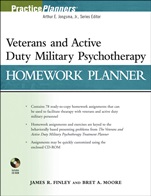
Veterans and Active Duty Military Psychotherapy Homework Planner
ISBN 9780470890523
Autor: James R. Finley, Bret A. Moore
Wydawca: Wiley
Dostępność: 3-6 tygodni
Cena: 327,60 zł
Przed złożeniem zamówienia prosimy o kontakt mailowy celem potwierdzenia ceny.
ISBN13: |
9780470890523 |
ISBN10: |
0470890525 |
Autor: |
James R. Finley, Bret A. Moore |
Oprawa: |
Paperback |
Rok Wydania: |
2011-03-04 |
Ilość stron: |
336 |
Wymiary: |
275x217 |
Tematy: |
JC |
Features assignments and exercises to meet the changing needsof mental health professionals The Veterans and Active Duty Military Psychotherapy Homework Planner provides you with an array of ready–to–use, between–session assignments designed to fit virtually every therapeutic mode. This easy–to–use sourcebook features: 78 ready–to–copy exercises covering the most common issues encountered by veterans and active duty soldiers in therapy, such as anger management, substance abuse and dependence, bereavement, pre–deployment stress, and chronic pain after injury A quick–reference formatthe interactive assignments are grouped by behavioral problems including combat and operational stress reactions, postdeployment reintegration, survivor′s guilt, anxiety, parenting problems related to deployment, and posttraumatic stress disorder Expert guidance on how and when to make the most efficient use of the exercises Assignments are cross–referenced to The Veterans and Active Duty Military Psychotherapy Treatment Plannerso you can quickly identify the right exercise for a given situation or problem A CD–ROM that contains all the exercises in a word–processing formatallowing you to customize them to suit you and your clients′ unique styles and needs
Practice Planner Series Preface. Preface. SECTION I Adjustment to Killing. Exercise I.A Normal Reactions to Killing. Exercise I.B When Killing is Necessary. SECTION II Adjustment to the Military Culture. Exercise II.A How Did I Imagine my Life in the Military? Exercise II.B All for One and One for All. SECTION III Amputation, Loss of Mobility, Disfigurement. Exercise III.A Mourning and Acceptance. Exercise III.B What Makes Me Who I Am? SECTION IV Anger Management and Domestic Violence. Exercise IV.A Anger as a Drug. Exercise IV.B Being Who I Want to Be. SECTION V Antisocial Behavior in the Military. Exercise V.A What Was I Thinking? Exercise V.B Mentorship and Respect. SECTION VI Anxiety. Exercise VI.A Action, Coping Skills, and Acceptance. Exercise VI.B Getting Away From Catastrophizing. SECTION VII Attention and Concentration Deficits. Exercise VII.A Staying Focused. Exercise VII.B Structuring My Life. SECTION VIII Bereavement Due to the Loss of a Comrade. Exercise VIII.A Commemorating Lost Friends and Family. Exercise VIII.B How Do I Want to be Remembered? SECTION IX Borderline Personality. Exercise IX.A Am I Comparing My Insides to Other People′s Outsides? Exercise IX.B I Can′t Believe Everything I Think. SECTION X Brief Reactive Psychotic Episode. Exercise X.A Staying in Touch with Reality. Exercise X.B Reality Checks. SECTION XI Chronic Pain after Injury. Exercise XI.A Alternative Methods for Managing Pain. Exercise XI.B Coping with Addiction and Chronic Pain. Exercise XI.C Helping Myself by Helping Others. SECTION XII Combat and Operational Stress Reaction. Exercise XII.A Normal Reactions in Extreme Situations. Exercise XII.B Healthy Ways to Handle Stress Fast. SECTION XIII Conflict with Comrades. Exercise XIII.A Communication and Conflict Management Skills. Exercise XIII.B Understanding Sources of Conflict. SECTION XIV Depression. Exercise XIV.A Challenging Depressive Illusions. Exercise XIV.B From Acceptance to Appreciation. SECTION XV Diversity Acceptance. Exercise XV.A Different People, Different Strengths. Exercise XV.B We′re More Alike Than We Look – Seeing Past the Surface. SECTION XVI Financial Difficulties. Exercise XVI.A Money Management Skills. Exercise XVI.B Spending as a Drug. SECTION XVII Homesickness/Loneliness. Exercise XVII.A Making the Best of Wherever I Am. Exercise XVII.B This, Too, Shall Pass – Taking it One Day at a Time. SECTION XVIII Insomnia. Exercise XVIII.A Why Can′t I Sleep? Exercise XVIII.B Sleep Management. SECTION XIX Mild Traumatic Brain Injury. Exercise XIX.A Adapting to a Brain Injury. Exercise XIX.B Helping Family and Friends Help Me. SECTION XX Nightmares. Exercise XX.A What Are My Dreams Telling Me? Keeping a Dream Journal. Exercise XX.B Avoiding and Coping with Nightmares. SECTION XXI Opioid Dependence. Exercise XXI.A Near–Term and Long–Term Effects of Opioid Dependence and Withdrawal. Exercise XXI.B Safe and Healthy Alternatives: Ways to Cope with Pain and Anxiety Without Drugs. SECTION XXII Panic/Agoraphobia. Exercise XXII.A Working With Fear. Exercise XXII.B Preventing Panic in Myself and Others. SECTION XXIII Parenting Problems Related to Deployment. Exercise XXIII A How Will I Explain This Deployment to my Children? Exercise XXIII.B How Will I Stay in Touch with my Children? SECTION XXIV Performance–Enhancing Supplement Use. Exercise XXIV.A Near–Term and Long–Term Effects of Stimulant Dependence and Withdrawal. Exercise XXIV.B Near–Term and Long–Term Effects of Anabolic Steroid Dependence and Withdrawal. SECTION XXV Phobia. Exercise XXV.A Useful and Useless Fear. Exercise XXV.B Understanding and Overcoming Phobias. SECTION XXVI Physiological Stress Response Acute. Exercise XXVI.A Quick Strategies for Coping with Intense Stress Response. Exercise XXVI.B Safe and Peaceful Place Meditation. SECTION XXVII Post–Deployment Reintegration Problems. Exercise XXVII.A Why am I Having Trouble Now? Exercise XXVII.B What′s Different and How Will I Adapt? SECTION XXVIII Posttraumatic Stress Disorder (PTSD). Exercise XXVIII.A I am a Survivor, Not a Victim – PTSD as Lifesaving Adaptation. Exercise XXVIII.B Identifying and Avoiding or Coping with PTSD Triggers. SECTION XXIX Pre–Deployment Stress. Exercise XXIX.A Am I Ready for Deployment? Exercise XXIX.B Helping my Family Prepare for my Deployment. SECTION XXX Separation and Divorce. Exercise XXVIII.A Getting Through the Loss of a Relationship. Exercise XXVIII.B Avoiding Rebounds, Replays, and Resentments: Identifying and Changing Patterns That Aren′t Working. SECTION XXXI Sexual Assault by Another Service Member. Exercise XXXI.A Taking Care of Myself Physically and Emotionally After a Sexual Assault. Exercise XXXI.B Healing and Claiming my Identity as a Survivor. SECTION XXXII Shift Work Sleep Disorder. Exercise XXXII.A Alternative Sleep Scheduling. Exercise XXXII.B Establishing a Shift Work Sleep Environment. SECTION XXXIII Social Discomfort. Exercise XXXIII.A Getting More Comfortable in Social Situations. Exercise XXXIII.B Finding a Social Niche and Friendships. SECTION XXXIV Spiritual and Religious Issues. Exercise XXXIV.A Understanding Spirituality. Exercise XXXIV.B What Do I Believe In? SECTION XXXV Substance Abuse/Dependence. Exercise XXXV.A What Does Addiction Mean to Me? Exercise XXXV.B Problem Identification. Exercise XXXV.C Personal Recovery Planning. SECTION XXXVI Suicidal Ideation. Exercise XXXVI.A What Do I Have to Offer to Others? Exercise XXXVI.B Finding Emotional Relief and Support. SECTION XXXVII Survivor′s Guilt. Exercise XXXVII.A Corresponding with Fallen Friends. Exercise XXXVII.B Carrying the Legacy. SECTION XXXVIII Tobacco Use. Exercise XXXVIII.A Avoiding Nicotine Relapse Triggers. Exercise XXXVIII.B Use of Affirmations for Change. Appendix: Additional Assignments for Presenting Problems. About the CD–ROM.
JAMES R. FINLEY, MA, LMHC, is a psychotherapist with experience as a clinical supervisor and program manager in a variety of military, community, and correctional settings. He is a retired Marine and disabled veteran. BRET A. MOORE, PsyD, ABPP, is a clinical psychologist in San Antonio, Texas, coauthor of dozens of journal articles, book chapters, and books on military psychology issues, and founder of Military Psychology Consulting, which provides guidance on military issues to various organizations. In 2008, he left active duty service in the U.S. Army, where he served as a captain and a clinical psychologist with the 85th Combat Stress Control (CSC) unit based in Fort Hood, Texas. He has extensive experience treating veterans, including two tours of duty in Iraq.
Koszyk
Książek w koszyku: 0 szt.
Wartość zakupów: 0,00 zł
Informacje


Kontakt
Gambit
Centrum Oprogramowania
i Szkoleń Sp. z o.o.
Al. Pokoju 29b/22-24
31-564 Kraków
Siedziba Księgarni
ul. Kordylewskiego 1
31-542 Kraków
+48 12 410 5991
+48 12 410 5987
+48 12 410 5989
Subskrypcje
Administratorem danych osobowych jest firma Gambit COiS Sp. z o.o. Na podany adres będzie wysyłany wyłącznie biuletyn informacyjny.
Autoryzacja płatności

Informacje na temat autoryzacji płatności poprzez PayU.

© Copyright 2012: GAMBIT COiS Sp. z o.o. Wszelkie prawa zastrzeżone.
Projekt i wykonanie: Alchemia Studio Reklamy