


Wydawcy
Katalog tematyczny
- Archeologia (109)
- Ekonomia, finanse, business (13704)
- Filozofia (1445)
- Historia (3040)
- Języki i językoznawstwo (2356)
- Lifestyle, hobby i rozrywka (475)
- Medycyna (9704)
- Chirurgia (272)
- Inne gałęzie medycyny (1871)
- Medycyna kliniczna (4187)
- Choroby wewnętrzne (514)
- Dermatologia (51)
- Diagnostyka medyczna (3)
- Endokrynologia (144)
- Gastroenterologia (27)
- Geriatria (50)
- Ginekologia i położnictwo (134)
- Hematologia (46)
- Hepatologia (10)
- Kardiologia (71)
- Laryngologia (12)
- Nefrologia (10)
- Neurologia (500)
- Oftalmologia (50)
- Pediatria (33)
- Pulmunologia (32)
- Reumatologia (14)
- Terapia genowa (1)
- Układ mięśniowo-szkieletowy (1)
- Urologia (14)
- Medycyna niekonwencjonalna (14)
- Medycyna przedkliniczna (269)
- Medycyna, ogólnie (1740)
- Medyczne służby pomocnicze (745)
- Studia medyczne (16)
- Weterynaria (548)
- Nauki humanistyczne (4)
- Nauki o Ziemi i środowisku (2638)
- Nauki ścisłe (20412)
- Nauki społeczne (8486)
- Nauki techniczne (13450)
- Prawo (1696)
- Publikacje informacyjne i interdyscyplinarne (1288)
- Religia i wierzenia (917)
- Technika komputerowa (4067)
- Zdrowie, relacje międzyludzkie i rozwój osobisty (657)





Informacje szczegółowe o książce
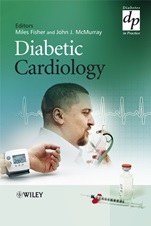
Diabetic Cardiology
ISBN 9780470862049
Autor: Miles Fisher, John J. McMurray
Wydawca: Wiley
Dostępność: 3-6 tygodni
Cena: 625,80 zł
Przed złożeniem zamówienia prosimy o kontakt mailowy celem potwierdzenia ceny.
ISBN13: |
9780470862049 |
ISBN10: |
0470862041 |
Autor: |
Miles Fisher, John J. McMurray |
Oprawa: |
Hardback |
Rok Wydania: |
2007-12-14 |
Ilość stron: |
308 |
Wymiary: |
251x177 |
Tematy: |
MJ |
Cardiovascular disease is the most common cause of death in people with diabetes. Interest in the assessment and treatment of heart disease has been reawakened because of many factors, including the results of several multi–centre studies. The UKPDS showed that treatment of Type 2 diabetes did not reduce cardiovascular end–points significantly, but that aggressive treatment of blood pressure could do so. The more recent PROactive study showed that treatment with pioglitazone could reduce myocardial infarctions and strokes in diabetic patients with previous myocardial infarction or stroke. In addition, sub–group analysis from several large cardiovascular trials has shown that treatment with statins, anti–platelet therapy, ACE inhibitors and other drugs will also reduce cardiovascular events in people with diabetes. The DIGAMI studies on the use of intravenous insulin infusion at the time of myocardial infarction stimulated a large number of discussion papers on the best treatment of MI and acute coronary syndromes in the diabetic patient.
This book reviews the evidence from such trials and looks at developing topics in diabetes and cardiovascular disease from a largely cardiological perspective. It covers both pharmacological and non–pharmacological interventions and also considers both prevention and treatment options, including the management of coronary heart disease, congestive cardiac failure, hypertension, stroke disease and peripheral vascular disease.
With heart disease increasingly in the news related to diabetes, and rising numbers of patients with these co–morbidities, this book will be essential reading for healthcare professionals engaged in the care of patients with diabetes and associated cardiovascular disease.
Spis treści:
List of contributors.
Introduction.
1. Epidemiology of vascular disease in diabetes (Susan Laing).
1.1 Introduction.
1.2 The R
ole of Epidemiological Studies.
1.3 Cohort Studies of People with Diabetes.
1.4 Cardiovascular Disease and Diabetes.
1.5 Mortality from Coronary Heart Disease.
1.6 Mortality from Cerebrovascular Disease.
1.7 Discussion.
References.
2. Pathogenesis of atherosclerosis and vascular disease in type 2 diabetes (Naveed Sattar and Alistair Cormack).
2.1 Introduction.
2.2 What is Insulin Resistance?
2.3 Dyslipidaemia and Type 2 Diabetes.
2.4 Hypertension.
2.5 Endothelial Dysfunction and Type 2 Diabetes.
2.6 Inflammation.
2.7 Adipokines – Adiponectin.
2.8 Haemostatic Changes in Type 2 Diabetes.
2.9 Hyperinsulinaemia.
2.10 Role of Hyperglycaemia.
2.11 Metabolic Syndrome as a Link between Insulin Resistance and CVD?
2.12 Effects of Anti–diabetic Drugs on Risk Factor Pathways.
2.13 Conclusions.
References.
3. Coronary heart disease and diabetes (Colin Berry, Miles Fisher and John McMurray).
3.1 Nature of Coronary Heart Disease in Diabetes.
3.2 Presentation of CHD in Diabetes.
3.3 Non–invasive Investigation.
3.4 Pharmacological Treatment of CHD in People with Diabetes.
3.5 Coronary Revascularisation in Diabetes.
3.6 Stents for Coronary Artery Disease in Diabetes.
3.7 Drug–eluting Stents.
3.8 Drug Therapy and PCI in Diabetic Patients.
3.9 Conclusions.
References.
4. Diabetes and acute coronary syndromes (Colin Berry, Miles Fisher and John McMurray).
4.1 Introduction.
4.2 Antiplatelet Agents.
4.3 Thrombolysis.
4.4 Beta–blockers.
4.5 ACE Inhibitors.
4.6 Angiotensin Receptor Blockers.
4.7 Heparin.
4.8 Glycoprotein IIb/IIIa Inhibitors.
4.9 Revascularisation for Acute Coronary Syndromes.
4.10 Device Therapy Post–MI.
4.11 Management of Glycaemia.
4.12 Conclusions.
References.
5. Diabetes, left ventricular systolic dysfunction and chronic heart failure (Michael R MacDonald, Mark C Petrie, Nathaniel M Hawki
ns and John J V McMurray).
5.1 Introduction.
5.2 Prevalence.
5.3 Incidence.
5.4 Risks of Developing CHF and Diabetes.
5.5 Diabetes and Mortality in Patients with CHF.
5.6 Morbidity.
5.7 Chronic Heart Failure and Abnormalities of Insulin and Glucose Metabolism.
5.8 Why do Patients with Diabetes develop CHF?
5.9 Reducing the Risk of Diabetes in Patients with CHF.
5.10 Reducing the Development of CHF in Patients with Diabetes.
5.11 Treatment of Diabetes in Patients with CHF.
5.12 Treatment of CHF in Patients with Diabetes.
5.13 Conclusions.
References.
6. Diabetes and hypertension (Gordon T McInnes).
6.1 Introduction.
6.2 Metabolic Syndrome.
6.3 Risk Stratification.
6.4 Strategies to Reduce Cardiovascular Risk.
6.5 Strategies to Reduce Kidney Disease Risk.
6.6 Risk of Diabetes Mellitus with Antihypertensive Drugs.
6.7 Conclusions.
References.
7. Diabetes and strokes/transient ischaemic attacks (Christopher S Gray and Janice E O′Connell).
7.1 Introduction.
7.2 Diabetes as a Risk Factor for Stroke.
7.3 Diabetes, Post–stroke Hyperglycaemia and Outcome from Stroke.
7.4 Hyperglycaemia and Ischaemic Cerebral Damage.
7.5 Management of Diabetes and Hyperglycaemia following Stroke.
7.6 Prevention of Stroke in Diabetic Patients.
7.7 Diabetes, Cognitive Impairment and Dementia.
7.8 Conclusions.
References.
8. Diabetes and peripheral arterial disease (Iskandar Idris and Richard Donnelly).
8.1 Introduction.
8.2 Pathogenesis.
8.3 Clinical Features of PAD in Patients with Diabetes.
8.4 Lower Extremity Revascularisation in Patients with Diabetes.
8.5 Medical Therapy of PAD in Diabetes.
8.6 Future Therapy for PAD.
8.7 Conclusions.
References.
9. Prevention of cardiovascular events in diabetic patients (Markku Laakso).
9.1 Introduction.
9.2 Coronary Artery Disease in Type 2 Diabetes.
9.3 Potential and Proven Risk Factors for Atherothrombo
sis in Patients with Type 2 Diabetes.
9.4 Treatment Effects of Cardiovascular Risk Factors on the Risk of CAD in Type 2 Diabetes.
9.5 Summary.
Acknowledgements.
References.
10. Prevention of diabetes as a means of preventing cardiovascular disease (Stephen J Cleland and Jonathan Shaw).
10.1 Hyperglycaemia as a Risk Factor for Cardiovascular Disease.
10.2 Risk of Cardiovascular Disease in Pre–diabetes.
10.3 Intervention Trials in Pre–diabetes.
10.4 Screening for Pre–diabetes.
10.5 Summary and Conclusions.
References.
11. Diabetes for cardiologists (David MacFarlane, Colin Perry and Miles Fisher).
11.1 Introduction.
11.2 Epidemiology of Diabetes Mellitus.
11.3 New Diagnostic Criteria for Diabetes Mellitus.
11.4 Metabolic Syndrome.
11.5 Treatment of Diabetes Mellitus.
11.6 Hypoglycaemia.
11.7 Treatment of Type 2 Diabetes.
11.8 Conclusions.
References.
Acronyms.
Index.
Nota biograficzna:
Miles Fisher, Consultant Physician, Glasgow Royal Infirmary
John McMurray, Professor of Medical Cardiology, British Heart Foundation Cardiovascular Research Centre, University of Glasgow and Honorary Consultant Cardiologist, Western Infirmary, Glasgow
Okładka tylna:
Cardiovascular disease is the most common cause of death in people with diabetes. Interest in the assessment and treatment of heart disease has been reawakened because of many factors, including the results of several multi–centre studies. The UKPDS showed that treatment of Type 2 diabetes did not reduce cardiovascular end–points significantly, but that aggressive treatment of blood pressure could do so. The more recent PROactive study showed that treatment with pioglitazone could reduce myocardial infarctions and strokes in diabetic patients with previous myocardial infarction or stroke. In addition, sub–group analysis from several large cardiovascular
Koszyk
Książek w koszyku: 0 szt.
Wartość zakupów: 0,00 zł
Informacje


Kontakt
Gambit
Centrum Oprogramowania
i Szkoleń Sp. z o.o.
Al. Pokoju 29b/22-24
31-564 Kraków
Siedziba Księgarni
ul. Kordylewskiego 1
31-542 Kraków
+48 12 410 5991
+48 12 410 5987
+48 12 410 5989
Subskrypcje
Administratorem danych osobowych jest firma Gambit COiS Sp. z o.o. Na podany adres będzie wysyłany wyłącznie biuletyn informacyjny.
Autoryzacja płatności

Informacje na temat autoryzacji płatności poprzez PayU.

© Copyright 2012: GAMBIT COiS Sp. z o.o. Wszelkie prawa zastrzeżone.
Projekt i wykonanie: Alchemia Studio Reklamy