


Wydawcy
Katalog tematyczny
- Archeologia (109)
- Ekonomia, finanse, business (13704)
- Filozofia (1445)
- Historia (3040)
- Języki i językoznawstwo (2356)
- Lifestyle, hobby i rozrywka (475)
- Medycyna (9704)
- Nauki humanistyczne (4)
- Nauki o Ziemi i środowisku (2638)
- Nauki ścisłe (20412)
- Nauki społeczne (8486)
- Nauki techniczne (13450)
- Prawo (1696)
- Publikacje informacyjne i interdyscyplinarne (1288)
- Religia i wierzenia (917)
- Technika komputerowa (4067)
- Zdrowie, relacje międzyludzkie i rozwój osobisty (657)





Informacje szczegółowe o książce
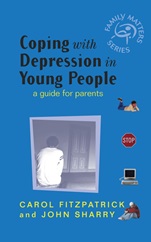
Coping with Depression in Young People: A Guide for Parents
ISBN 9780470857557
Autor: Carol Fitzpatrick, John Sharry
Wydawca: Wiley
Dostępność: 3-6 tygodni
Cena: 134,40 zł
Przed złożeniem zamówienia prosimy o kontakt mailowy celem potwierdzenia ceny.
ISBN13: |
9780470857557 |
ISBN10: |
0470857552 |
Autor: |
Carol Fitzpatrick, John Sharry |
Oprawa: |
Paperback |
Rok Wydania: |
2004-01-27 |
Ilość stron: |
160 |
Wymiary: |
214x139 |
Tematy: |
VS |
Knowing how to deal with a teenager in emotional turmoil is a daunting task for any parent. Coping with Depression in Young People: A Guide for Parents describes the normal steps parents go through in coming to terms with depression in their children, from first noticing something is wrong, to accessing the best professional treatment, to surviving what can be a very emotional time for the whole family. Carol Fitzpatrick and John Sharry, both experts in this field, deal with issues most parents find particularly worrying, such as drug and alcohol use, suicide and self–harm, and other mental health problems. Parents reading this book will find guidance on what help and treatments are available for their child, as well as what they can do themselves to help the whole family cope. ′This guide tells parents in plain language what depression is, how to recognize it, and what can be done about it. Clinicians should routinely recommend that parents read this excellent book.′ Professor Alan Carr, University College Dublin
About the authors. Preface. Acknowledgements. 1. What is depression? What depression feels like. How common is depression in young people? Causes of depression. Is depression in young people more common now than in the past? What happens to young people with depression? 2. How to recognise depression in young people. Which young people are most likely to get depressed? Changes in mood and behaviour. 3. Depression in young people who already have difficulties. Learning difficulties. Attention deficit hyperactivity disorder (ADHD). Conduct problems. Asperger’s syndrome. Conclusion. 4. Could it be due to something else? Is it due to alcohol? Could it be due to drugs? A serious physical illness. Sexual abuse. Schizophrenia. Eating disorders. Bipolar affective disorder (manic depressive disorder). 5. Getting help. Talking to others who know your child. Help within the family. Finding out what help is available. Counselling. Child and adolescent mental health services. Communicating with your teenager about the need for further help. Approaching your depressed child. 6. Treatment of depression. Multiple approaches. Therapeutic help for the young person. Parent support. Family therapy. Medication. Hospitalisation. Day treatment programmes. How long does it take? 7. What can parents do? Supporting your teenager. Dealing with discipline and conflict. Keeping yourself going. Helping your other children to cope. Tackling family problems. Conflicting advice from family members/friends. What parents can’t do. 8. Suicide and self–harm. Some myths about suicide. Are there warning signs? What to do if you suspect your young person is suicidal. Coping with suicide attempts. Dealing with discipline after a suicide attempt. Dealing with self–cutting behaviour. Suicide and alcohol. 9. Dealing with common problems. Depression and school. Depression and exams. He won’t go for help. Sleep problems. Anger and aggression. Depression and bullying. 10. Learning from young people who have recovered from depression. The Working Things Out study. What it felt like when they were depressed. What they thought had caused them to feel the way they did. What they thought had helped them to get through their difficult times. Conclusion. Interactive CD–ROM. 11. Depression – what does the future hold? The statistics. ‘Good effects’ of depression? The brain and depression – current research. The future and your child. Resources. Index.
Professor Carol Fitzpatrick is Professor of Child Psychiatry at University College Dublin and a Consultant Child and Adolescent Psychiatrist at the Mater Hospital and The Children′s Hospital, Temple Street, in Dublin. She is author of many research papers about mental health in young people and has a particular interest in depression and self–harm in young people. Dr John Sharry is Principal Social Worker at the Mater Hospital and is a Director of The Brief Therapy Group in Dublin. He is the author of four self–help books for parents, including Parent Power: Bringing up Responsible Children and Teenagers (John Wiley & Sons, 2003) and When Parents Separate: Helping Children Cope (Veritas, 2001). He is also the author of three psychotherapy books: Solution–focused Groupwork (Sage, 2001), Becoming a Solution Detective: A strengths–based Guide to Brief Therapy (BT Press, 2001) and the forthcoming Counselling Children, Adolescents and Families (Sage, 2004). Both authors are experienced clinicians who have worked with many young people and their families coping with depression. They are joint authors of The Parents Plus Programmes, video–based courses for parents coping with a variety of emotional and behavioural difficulties in their children and teenagers, which are widely used in the UK and Ireland. See www.parentsplus.ie
"…a guide for parents, a book long overdue and one which will be of enormous help…is especially valuable…" (Familyonwards.com, 19 February 2004) "...concise ...useful to anyone working with children and young people experiencing depression..." (Child Right, May 2004) “The strength of the book lies in it accessible style and numerous practical suggestions.” (Child and Adolescent Mental Health, Vol.10, No.2, May 2005)
Koszyk
Książek w koszyku: 0 szt.
Wartość zakupów: 0,00 zł
Informacje


Kontakt
Gambit
Centrum Oprogramowania
i Szkoleń Sp. z o.o.
Al. Pokoju 29b/22-24
31-564 Kraków
Siedziba Księgarni
ul. Kordylewskiego 1
31-542 Kraków
+48 12 410 5991
+48 12 410 5987
+48 12 410 5989
Subskrypcje
Administratorem danych osobowych jest firma Gambit COiS Sp. z o.o. Na podany adres będzie wysyłany wyłącznie biuletyn informacyjny.
Autoryzacja płatności

Informacje na temat autoryzacji płatności poprzez PayU.

© Copyright 2012: GAMBIT COiS Sp. z o.o. Wszelkie prawa zastrzeżone.
Projekt i wykonanie: Alchemia Studio Reklamy