


Wydawcy
Katalog tematyczny
- Archeologia (109)
- Ekonomia, finanse, business (13704)
- Filozofia (1445)
- Historia (3040)
- Języki i językoznawstwo (2356)
- Lifestyle, hobby i rozrywka (475)
- Medycyna (9704)
- Chirurgia (272)
- Inne gałęzie medycyny (1871)
- Medycyna kliniczna (4187)
- Choroby wewnętrzne (514)
- Dermatologia (51)
- Diagnostyka medyczna (3)
- Endokrynologia (144)
- Gastroenterologia (27)
- Geriatria (50)
- Ginekologia i położnictwo (134)
- Hematologia (46)
- Hepatologia (10)
- Kardiologia (71)
- Laryngologia (12)
- Nefrologia (10)
- Neurologia (500)
- Oftalmologia (50)
- Pediatria (33)
- Pulmunologia (32)
- Reumatologia (14)
- Terapia genowa (1)
- Układ mięśniowo-szkieletowy (1)
- Urologia (14)
- Medycyna niekonwencjonalna (14)
- Medycyna przedkliniczna (269)
- Medycyna, ogólnie (1740)
- Medyczne służby pomocnicze (745)
- Studia medyczne (16)
- Weterynaria (548)
- Nauki humanistyczne (4)
- Nauki o Ziemi i środowisku (2638)
- Nauki ścisłe (20412)
- Nauki społeczne (8486)
- Nauki techniczne (13450)
- Prawo (1696)
- Publikacje informacyjne i interdyscyplinarne (1288)
- Religia i wierzenia (917)
- Technika komputerowa (4067)
- Zdrowie, relacje międzyludzkie i rozwój osobisty (657)





Informacje szczegółowe o książce
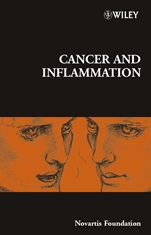
Cancer and Inflammation
ISBN 9780470855102
Autor: Derek J. Chadwick, Jamie A. Goode
Wydawca: Wiley
Dostępność: 3-6 tygodni
Cena: 836,85 zł
Przed złożeniem zamówienia prosimy o kontakt mailowy celem potwierdzenia ceny.
ISBN13: |
9780470855102 |
ISBN10: |
047085510X |
Autor: |
Derek J. Chadwick, Jamie A. Goode |
Oprawa: |
Hardback |
Rok Wydania: |
2004-01-23 |
Ilość stron: |
290 |
Wymiary: |
236x164 |
Tematy: |
MJ |
Chronic inflammation predisposes to some forms of cancer and the host response to malignant disease shows several parallels with inflammation and wound healing. The cells involved in inflammation are detected in a range of common cancers, together with the inflammatory cytokines and members of the chemokine ligand/receptor systems. Neutralization or deletion of the gene for some inflammatory cytokines confers resistance to tumour induction and experimental metastasis. Over–expression of such cytokines in tumour cells may enhance malignant potential. Certain chemokines are likely to subvert antitumour immunity by favouring development of ineffective Type 2 responses. Tumour cells may even utilize chemokine receptors in homing to lymph nodes and other organs. Thus, the cells, cytokines and chemokines found in tumours are more likely to contribute to tumour growth, progression and immunosuppression than they are to mount an effective host antitumour response.
This book draws together contributions from an international group of scientists and clinicians from diverse disciplines, ranging from epidemiology to immunology, cell biology, molecular oncology, molecular medicine and pharmacology to debate these and related issues. Topics covered include the epidemiological links between cancer and inflammation, the parallels between inflammation and cancer, the role of inflammation in cancer, inflammatory genes as risk factors for cancer initiation and progression, inflammation and cancer angiogenesis, and preventative and therapeutic strategies.
Related Novartis Foundation symposia:
252 Generation and effector functions of regulatory lymphocytes
Chair: Jean–François BachImmunoinformatics: bioinformatic strategies for better understanding of immune function
Chair: Hans–Georg Rammensee
Spis treści:
Chair′s Introduction (S. Gordon).
Inflammation and cancer: an epidemiolog
ical perspective (M. Thun, et al.).
Chemokine–based pathogenetic mechanisms in cancer (I. Conti, et al.).
General Discussion I.
Anti–TNF therapy of rheumatoid arthritis: what can we learn about chronic disease? (M. Feldmann, et al.).
How do chemokine/chemokine receptor activations affect tumorigenesis? (A. Richmond, et al.).
Proinflammatory cytokines, immune response and tumour progression (M. Spadaro and G. Forni).
General discussion II.
Lymphangiogenesis and tumour metastasis (J. Tille, et al.).
Infiltration of tumours by macrophages and dendritic cells: tumour–associated macrophages as a paradigm for polarized M2 mononuclear phagocytes (A. Mantovani, et al.).
The influence of CD25+ cells on the generation of immunity to tumour cell–lines in mice (E. Jones, et al.).
Macrophages: modulators of breast cancer progression (E. Lin and J. Pollard).
Chemokines: angiogenesis and metastases in lung cancer (R. Strieter, et al.).
Macrophage infiltration and angiogenesis in human malignancy (H. Knowles, et al.).
The role of inflammation for tumour growth and tumour suppression (T. Blankenstein).
Cyclooxygenase 2: from inflammation to carcinogenesis (A. Ristimäki).
The inflammatory cytokine network of epithelial cancer: therapeutic implications (P. Szlosarek and F. Balkwill).
In vivo manipulation of DC migration and activation to elicit anti–tumour immunity (A. Vicari, et al.).
Final general discussion.
Concluding remarks (S. Gordon).
Index of contributors.
Subject Index.
Nota biograficzna:
The Novartis Foundation is an international scientific and educational charity which promotes the study and general knowledge of science and in particular encourages international co–operation in scientific research.
Chair: SIAMON GORDON, Sir William Dunn School of Pathology, University of Oxford, UK
Okładka tylna:<
/b>
Chronic inflammation predisposes to some forms of cancer and the host response to malignant disease shows several parallels with inflammation and wound healing. The cells involved in inflammation are detected in a range of common cancers, together with the inflammatory cytokines and members of the chemokine ligand/receptor systems. Neutralization or deletion of the gene for some inflammatory cytokines confers resistance to tumour induction and experimental metastasis. Over–expression of such cytokines in tumour cells may enhance malignant potential. Certain chemokines are likely to subvert antitumour immunity by favouring development of ineffective Type 2 responses. Tumour cells may even utilize chemokine receptors in homing to lymph nodes and other organs. Thus, the cells, cytokines and chemokines found in tumours are more likely to contribute to tumour growth, progression and immunosuppression than they are to mount an effective host antitumour response.
This book draws together contributions from an international group of scientists and clinicians from diverse disciplines, ranging from epidemiology to immunology, cell biology, molecular oncology, molecular medicine and pharmacology to debate these and related issues. Topics covered include the epidemiological links between cancer and inflammation, the parallels between inflammation and cancer, the role of inflammation in cancer, inflammatory genes as risk factors for cancer initiation and progression, inflammation and cancer angiogenesis, and preventative and therapeutic strategies.
Related Novartis Foundation symposia:
252 Generation and effector functions of regulatory lymphocytes
Chair: Jean–François BachImmunoinformatics: bioinformatic strategies for better understanding of immune function
Chair: Hans–Georg Rammensee
Koszyk
Książek w koszyku: 0 szt.
Wartość zakupów: 0,00 zł
Informacje


Kontakt
Gambit
Centrum Oprogramowania
i Szkoleń Sp. z o.o.
Al. Pokoju 29b/22-24
31-564 Kraków
Siedziba Księgarni
ul. Kordylewskiego 1
31-542 Kraków
+48 12 410 5991
+48 12 410 5987
+48 12 410 5989
Subskrypcje
Administratorem danych osobowych jest firma Gambit COiS Sp. z o.o. Na podany adres będzie wysyłany wyłącznie biuletyn informacyjny.
Autoryzacja płatności

Informacje na temat autoryzacji płatności poprzez PayU.

© Copyright 2012: GAMBIT COiS Sp. z o.o. Wszelkie prawa zastrzeżone.
Projekt i wykonanie: Alchemia Studio Reklamy