


Wydawcy
Katalog tematyczny
- Archeologia (109)
- Ekonomia, finanse, business (13704)
- Filozofia (1445)
- Historia (3040)
- Języki i językoznawstwo (2356)
- Lifestyle, hobby i rozrywka (475)
- Medycyna (9704)
- Nauki humanistyczne (4)
- Nauki o Ziemi i środowisku (2638)
- Nauki ścisłe (20412)
- Nauki społeczne (8486)
- Edukacja (229)
- Kryminologia, opieka spełeczna (284)
- Obronność (10)
- Polityka (1389)
- Psychologia (777)
- Socjologia (410)
- Społeczeństwo i kultura (187)
- Nauki techniczne (13450)
- Prawo (1696)
- Publikacje informacyjne i interdyscyplinarne (1288)
- Religia i wierzenia (917)
- Technika komputerowa (4067)
- Zdrowie, relacje międzyludzkie i rozwój osobisty (657)





Informacje szczegółowe o książce
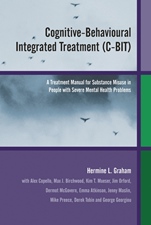
Cognitive–Behavioural Integrated Treatment (C–BIT): A Treatment Manual for Substance Misuse in People with Severe Mental Health Problems
ISBN 9780470854389
Autor: Hermine L. Graham, Alex Copello, Max J. Birchwood, Kim T. Mueser, Jim Orford, Dermot McGovern, Emma
Wydawca: Wiley
Dostępność: 3-6 tygodni
Cena: 329,70 zł
Przed złożeniem zamówienia prosimy o kontakt mailowy celem potwierdzenia ceny.
ISBN13: |
9780470854389 |
ISBN10: |
0470854383 |
Autor: |
Hermine L. Graham, Alex Copello, Max J. Birchwood, Kim T. Mueser, Jim Orford, Dermot McGovern, Emma |
Oprawa: |
Paperback |
Rok Wydania: |
2003-10-22 |
Ilość stron: |
318 |
Wymiary: |
244x170 |
Tematy: |
JC |
How do you engage a reluctant client in discussing alcohol/drug use and build motivation for change?
Hermine L. Graham and her team of co–authors have specifically developed this treatment manual for clinicians and therapists who work with clients presenting with co–existing severe mental health and substance misuse problems.
Cognitive–Behavioural Integrated Treatment(C–BIT) provides a framework that is structured but flexible, assisting clinicians to initially engage with clients and collaboratively tackle alcohol and drug problems in the context of the client’s mental health difficulties. The book is set out in three parts:
Part I sets the scene by outlining some of the background issues concerning co–existing substance use and mental health problems.
Part II is a step–by–step manual and will guide you through the C–BIT approach, with practical strategies on how to deliver integrated interventions appropriate to your client’s stage of engagement with you.
Part III addresses some of the key issues involved in the process of implementing integrated treatment. It highlights some of the implementation obstacles that can often arise during the developmental stages, with suggested strategies to address these issues.
Each Part has supporting worksheets clearly displayed in the Appendices.
This essential resource and handbook will be invaluable for clinicians, students, researchers, managers and health purchasers/providers in mental health and substance misuse settings.
Spis treści:
About the Authors.
Aims of the Book.
Acknowledgements.
PART ONE: INTRODUCTION TO COGNITIVE–BEHAVIOURAL INTEGRATED TREATMENT (C–BIT).
1. Issues in Working with those with Coexisting Severe Mental Health Problems Who Use Substances Problematically.
The Nature of Coexisting Severe Mental Health and Alcohol/Drug Problems.
Models of Comorb
idity.
Obstacles to Treatment and Behaviour Change.
Treatment Needs.
2. Overview of C–BIT Approach.
Objectives.
Structure.
How to Know When to Move on to the Next Phase.
Treatment Sessions.
3. Overview of C–BIT Theory and Techniques.
Brief Introduction to Cognitive Therapy.
Cognitive Therapy Techniques in C–BIT.
PART TWO: COGNITIVE–BEHAVIOURAL INTEGRATED TREATMENT (C–BIT),
C–BIT CORE COMPONENTS.
4. Assessment Phase: Screening and Assessment.
Clinical Assessment of Drug/Alcohol Use.
Assessment and Screening Tools.
Case Formulation.
Treatment Planning.
5. Treatment Phase 1: Engagement and Building Motivation to Change.
Strategies to Increase Engagement.
How to Put Drug/Alcohol Use on the Agenda.
Building on Motivation for Change.
Dealing with Resistance.
Identifying Social Networks Supportive of Change.
Finances/Money Management.
6. Treatment Phase 2: Negotiating Some Behaviour Change.
Identifying and Setting Achievable Harm–Reduction Goals.
Working with Resistance to Goal Setting.
Identifying Activities of Interest.
Engaging the Client’s Interest in the Activity.
How to Build Social Networks Supportive of Change.
Strategies to Increase Awareness of Problematic Links Between Mental Health and Substance Use.
7. Treatment Phase 3: Early Relapse Prevention.
Formulating Problems: Cognitive Model of Substance Use.
Relapse Prevention: Helping Your Clients Manage Their Substance Use.
Relapse Prevention: Including Social Network Member(s).
Coping with Cravings and the Abstinence–Violation Effect.
Relapse Prevention: For Substance Use and Its Links with Mental Health.
8. Treatment Phase 4: Relapse Prevention/Relapse Management.
Including Social Network Member(s) in Relapse Prevention.
Identifying a Relapse Signature to Psychotic Relapses and Role of Substan
ce Use.
Developing a Comprehensive Relapse–Prevention/Relapse–Management Plan.
Using a Comprehensive Relapse–Prevention/Management Plan—Relapse Drill.
ADDITIONAL TREATMENT COMPONENTS I—SKILLS BUILDING.
9. Coping with Different Moods: Anxiety.
The Role of Substances in Creating or Maintaining Anxiety.
Starting Out: Assessing Anxiety.
Strategies to Manage Anxiety.
10. Coping with Different Moods: Anger and Impulse Control.
The Role of Drugs/Alcohol in Creating/Maintaining Anger.
The Role of Psychosis in Creating/Maintaining Anger.
Starting Out: Assessing Anger.
Strategies to Manage Anger.
Impulse Control.
11. Coping with Different Moods: Depression.
The Role of Drugs/Alcohol in Creating and Maintaining Depression.
The Role of Psychosis in Creating/Maintaining Depression.
Starting Out: Assessing Depression.
Strategies to Manage Depression.
12. Communication: Social Skills.
Social Skills.
Social Skills Training for Mental Health Problems and Substance Use.
Social Skills Training.
Applying Social Skills to Specific Situations.
Assertiveness.
Assertiveness Training.
Strategies to Tackle Lack of Assertiveness.
Applying Assertiveness Skills to Specific Situations.
13. Self–Esteem.
Effect of Low Self–Esteem on Mental Health and Drug/Alcohol Use.
Effects of Psychosis and Drugs/Alcohol on Self–Esteem.
Starting Out: Assessing Self–Esteem.
Strategies to Improve Self–Esteem.
14. Lifestyle Balance.
Strategies to Encourage Lifestyle Balance.
Increasing Activity Levels.
Time Management.
Money Management.
ADDITIONAL TREATMENT COMPONENTS II—FAMILIES AND SOCIAL NETWORK MEMBERS.
15. Working with Families and Social Network Members.
Provision of Psychoeducation.
Encouraging Involvement.
Practical Coping Strategies and Skills.
PART THREE: IMPLEMENT
ATION ISSUES.
16. Implementation Issues.
Overview.
Implementation Obstacles and Solutions.
Training and Supervision (Capacity Building).
Organisational Factors.
Overview of the Evidence Base and Future Directions for Research.
Appendices.
References.
Index.
Okładka tylna:
How do you engage a reluctant client in discussing alcohol/drug use and build motivation for change?
Hermine L. Graham and her team of co–authors have specifically developed this treatment manual for clinicians and therapists who work with clients presenting with co–existing severe mental health and substance misuse problems.
Cognitive–Behavioural Integrated Treatment(C–BIT) provides a framework that is structured but flexible, assisting clinicians to initially engage with clients and collaboratively tackle alcohol and drug problems in the context of the client’s mental health difficulties. The book is set out in three parts:
Part I sets the scene by outlining some of the background issues concerning co–existing substance use and mental health problems.
Part II is a step–by–step manual and will guide you through the C–BIT approach, with practical strategies on how to deliver integrated interventions appropriate to your client’s stage of engagement with you.
Part III addresses some of the key issues involved in the process of implementing integrated treatment. It highlights some of the implementation obstacles that can often arise during the developmental stages, with suggested strategies to address these issues.
Each Part has supporting worksheets clearly displayed in the Appendices.
This essential resource and handbook will be invaluable for clinicians, students, researchers, managers and health purchasers/providers in mental health and substance misuse settings.
Koszyk
Książek w koszyku: 0 szt.
Wartość zakupów: 0,00 zł
Informacje


Kontakt
Gambit
Centrum Oprogramowania
i Szkoleń Sp. z o.o.
Al. Pokoju 29b/22-24
31-564 Kraków
Siedziba Księgarni
ul. Kordylewskiego 1
31-542 Kraków
+48 12 410 5991
+48 12 410 5987
+48 12 410 5989
Subskrypcje
Administratorem danych osobowych jest firma Gambit COiS Sp. z o.o. Na podany adres będzie wysyłany wyłącznie biuletyn informacyjny.
Autoryzacja płatności

Informacje na temat autoryzacji płatności poprzez PayU.

© Copyright 2012: GAMBIT COiS Sp. z o.o. Wszelkie prawa zastrzeżone.
Projekt i wykonanie: Alchemia Studio Reklamy