


Wydawcy
Katalog tematyczny
- Archeologia (109)
- Ekonomia, finanse, business (13704)
- Filozofia (1445)
- Historia (3040)
- Języki i językoznawstwo (2356)
- Lifestyle, hobby i rozrywka (475)
- Medycyna (9704)
- Nauki humanistyczne (4)
- Nauki o Ziemi i środowisku (2638)
- Nauki ścisłe (20412)
- Astronomia (294)
- Biologia (5119)
- Biochemia (575)
- Biologia człowieka (14)
- Biologia komórkowa (377)
- Biologia molekularna (398)
- Biologia rozwoju (130)
- Biologia, ogólnie (1277)
- Botanika (280)
- Hydrobiologia (92)
- Mikrobiologia (363)
- Mykologia (22)
- Zoologia (303)
- Chemia (6540)
- Fizyka (3309)
- Matematyka (4574)
- Nauki ścisłe, ogólnie (503)
- Nauki społeczne (8486)
- Nauki techniczne (13450)
- Prawo (1696)
- Publikacje informacyjne i interdyscyplinarne (1288)
- Religia i wierzenia (917)
- Technika komputerowa (4067)
- Zdrowie, relacje międzyludzkie i rozwój osobisty (657)





Informacje szczegółowe o książce
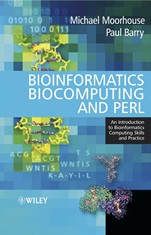
Bioinformatics Biocomputing and Perl: An Introduction to Bioinformatics Computing Skills and Practice
ISBN 9780470853313
Autor: Michael Moorhouse, Paul Barry
Wydawca: Wiley
Dostępność: 3-6 tygodni
Cena: 471,45 zł
Przed złożeniem zamówienia prosimy o kontakt mailowy celem potwierdzenia ceny.
ISBN13: |
9780470853313 |
ISBN10: |
047085331X |
Autor: |
Michael Moorhouse, Paul Barry |
Oprawa: |
Paperback |
Rok Wydania: |
2004-05-26 |
Ilość stron: |
508 |
Wymiary: |
235x190 |
Tematy: |
PS |
Bioinformatics, Biocomputing and Perl presents an extended tutorial introduction to programming through Perl, the premier programming technology of the bioinformatics community. Even though no previous programming experience is assumed, completing the tutorial equips the reader with the ability to produce powerful custom programs with ease.
Working with Data applies the programming skills acquired to processing a variety of bioinformatics data. In addition to advice on working with important data stores such as the Protein DataBank, SWISS–PROT, EMBL and the GenBank, considerable discussion is devoted to using bioinformatics data to populate relational database systems. The popular MySQL database is used in all examples.
Working with the Web presents a discussion of the Web–based technologies that allow the bioinformatics researcher to publish both data and applications on the Internet.
Working with Applications shifts gear from creating custom programs to using them. The tools described include Clustal–W, EMBOSS, STRIDE, BLAST and Xmgrace. An introduction to the important Bioperl Project concludes this chapter and rounds off the book.
Each chapter contains a series of maxims designed to highlight key points and there are exercises to supplement and cement the introduced material. Source code, related links, errata and presentation materials are provided at glasnost.itcarlow.ie/∼biobook/index.html (in PowerPoint format).
Spis treści:
Preface.
1. Setting the Biological Scene.
2. Setting the Technological Scene.
I: WORKING WITH PERL.
3. The Basics.
4. Places to Put Things.
5. Getting Organised.
6. About Files.
7. Patterns, Patterns and More Patterns.
8. Perl Grabbag.
II: WORKING WITH DATA.
9. Downloading Datasets.
10. The Protein Databank.
11. Non–redundant Datasets.
12. Databases.
13. Databases and Perl.
III: WORKING WITH TH
E WEB.
14. The Sequence Retrieval System.
15. Web Technologies.
16. Web Automation.
IV: WORKING WITH APPLICATIONS.
17. Tools and Datasets.
18. Applications.
19. Data Visualisation.
20. Introducing Bioperl.
Appendix: A—F.
Index.
Nota biograficzna:
Michael Moorhouse works as a Bioinformatics Researcher for Erasmus MC in Rotterdam, The Netherlands. He holds a B.Sc. from UMIST and an M.Sc. from The University of Manchester. Michael recently completed a Ph.D. from The University of Birmingham in the UK. He has been involved in numerous bioinformatics courses throughout the UK and Netherlands. This is Michael’s first book.
Paul Barry works as a Lecturer in Computing Science at The Institute of Technology, Carlow in Ireland. He holds a B.Sc. from The University of Ulster in Jordanstown, Northern Ireland and recently completed an M.Sc. from The Institute of Technology, Sligo in Ireland. He is the author of Programming the Network with Perl (Wiley, 2002).
Okładka tylna:
Bioinformatics, Biocomputing and Perl presents an extended tutorial introduction to programming through Perl, the premier programming technology of the bioinformatics community. Even though no previous programming experience is assumed, completing the tutorial equips the reader with the ability to produce powerful custom programs with ease.
Working with Data applies the programming skills acquired to processing a variety of bioinformatics data. In addition to advice on working with important data stores such as the Protein DataBank, SWISS–PROT, EMBL and the GenBank, considerable discussion is devoted to using bioinformatics data to populate relational database systems. The popular MySQL database is used in all examples.
Working with the Web presents a discussion of the Web–based technologies that allow the bioinformatics researcher to publish both data and
applications on the Internet.
Working with Applications shifts gear from creating custom programs to using them. The tools described include Clustal–W, EMBOSS, STRIDE, BLAST and Xmgrace. An introduction to the important Bioperl Project concludes this chapter and rounds off the book.
Each chapter contains a series of maxims designed to highlight key points and there are exercises to supplement and cement the introduced material. Source code, related links, errata and presentation materials are provided at glasnost.itcarlow.ie/∼biobook/index.html (in PowerPoint format).
Koszyk
Książek w koszyku: 0 szt.
Wartość zakupów: 0,00 zł
Informacje


Kontakt
Gambit
Centrum Oprogramowania
i Szkoleń Sp. z o.o.
Al. Pokoju 29b/22-24
31-564 Kraków
Siedziba Księgarni
ul. Kordylewskiego 1
31-542 Kraków
+48 12 410 5991
+48 12 410 5987
+48 12 410 5989
Subskrypcje
Administratorem danych osobowych jest firma Gambit COiS Sp. z o.o. Na podany adres będzie wysyłany wyłącznie biuletyn informacyjny.
Autoryzacja płatności

Informacje na temat autoryzacji płatności poprzez PayU.

© Copyright 2012: GAMBIT COiS Sp. z o.o. Wszelkie prawa zastrzeżone.
Projekt i wykonanie: Alchemia Studio Reklamy