


Wydawcy
Katalog tematyczny
- Archeologia (109)
- Ekonomia, finanse, business (13704)
- Filozofia (1445)
- Historia (3040)
- Języki i językoznawstwo (2356)
- Lifestyle, hobby i rozrywka (475)
- Medycyna (9704)
- Nauki humanistyczne (4)
- Nauki o Ziemi i środowisku (2638)
- Nauki ścisłe (20412)
- Astronomia (294)
- Biologia (5119)
- Biochemia (575)
- Biologia człowieka (14)
- Biologia komórkowa (377)
- Biologia molekularna (398)
- Biologia rozwoju (130)
- Biologia, ogólnie (1277)
- Botanika (280)
- Hydrobiologia (92)
- Mikrobiologia (363)
- Mykologia (22)
- Zoologia (303)
- Chemia (6540)
- Fizyka (3309)
- Matematyka (4574)
- Nauki ścisłe, ogólnie (503)
- Nauki społeczne (8486)
- Nauki techniczne (13450)
- Prawo (1696)
- Publikacje informacyjne i interdyscyplinarne (1288)
- Religia i wierzenia (917)
- Technika komputerowa (4067)
- Zdrowie, relacje międzyludzkie i rozwój osobisty (657)





Informacje szczegółowe o książce
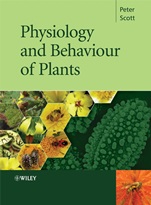
Physiology and Behaviour of Plants
ISBN 9780470850244
Autor: Peter Scott
Wydawca: Wiley
Dostępność: 3-6 tygodni
Cena: 814,80 zł
Przed złożeniem zamówienia prosimy o kontakt mailowy celem potwierdzenia ceny.
ISBN13: |
9780470850244 |
ISBN10: |
0470850248 |
Autor: |
Peter Scott |
Oprawa: |
Hardback |
Rok Wydania: |
2008-02-01 |
Ilość stron: |
318 |
Wymiary: |
271x206 |
Tematy: |
PS |
From the bizarre, sticky fly paper tactics of carnivorous plants, to the amazing capabilities of resurrection plants and the beautiful bee orchid that uses mimicry to attract pollinators, Peer Scot′s engaging textbook celebrates plants in all their glory and provides a thought–provoking introduction to how they sense and respond to their environment.
Plants have to meet the same challenges as animals in order to survive, but have evolved to overcome these challenges in very different ways. this exciting new textbook will help firs and second year biological science students get to grips with the biochemistry that underlies the behaviour of plants and appreciate them as dynamic, territorial and sometime aggressive organisms, capable of long–range communication.
Features:a fresh, innovative introduction to plant biologya wealth of examples, specifically chosen to capture and engage the reader′s interest, including topics such as plant defences, interactions with the animal kingdom, plants and medicines and carnivorous plantsstunning colour illustrations and photographs designed to captivate the reader and reinforce key concepts explored within the textan exploration of molecular mechanisms underlying plant physiology and behaviour from a whole plant perspective
Spis treści:
Chapter 1 Introducing Plants.
Introduction.
The beginning: the evolution of plants and the major divisions.
Conquering the land.
The evolution of lignin.
Plants and mass extinction.
Floristic kingdoms, Biogeography and Biomes.
What makes a plant?
Structure of the whole plant.
Structure of the plant cell.
The chloroplast.
The vacuole.
Microbodies.
The cell wall.
Plasmodesmata.
References.
Figure Legends.
Chapter 2 Photosynthesis the ultimate in autotrophy.
Introduction.
Light harvesting .
Leaf form.
Chlorophyll and the chloroplast.
Conve
rting light energy into chemical energy.
The Calvin cycle.
Photorespiration.
Carbohydrate synthesis and storage.
The fate of carbon fixed during photosynthesis.
The efficiency of photosynthesis.
References.
Figure Legends.
Chapter 3 Nonphotosynthetic metabolism.
Introduction.
Phloem transport.
Structure of the phloem.
Coping with damage to the phloem.
The sink tissues.
Sink regulation of photosynthesis.
References.
Figure Legends.
Chapter 4 Roots and the uptake of water.
Introduction.
Types of root.
Functions of roots.
Structure of roots.
Osmosis.
Loading and movement in the xylem.
Stomata.
References.
Figure legends.
Chapter 5 Mineral nutrition of plants.
Introduction.
Soil structure and mineral ions.
General ion uptake.
Phosphorus uptake and assimilation.
Nitrogen uptake and assimilation.
Iron uptake and assimilation.
Sulphur uptake and assimilation.
Function and effects of deficiencies of mineral ions on plants.
Major elements.
Minor elements.
References.
Figure legends.
Chapter 6 Mycorrhizal Associations and Saprophytic Nutrition.
Introduction.
Mycorrhizal associations.
Vesicular arbuscular mycorrhizal associations.
Orchidaceous mycorrhizal associations.
Ectomycorrhiza.
Ericaceous mycorrhiza.
Ectendomycorrhiza.
Development of the mycorrhizal association.
The role of the mycorrhizal association.
Saprophytic nutrition.
References.
Figure Legends.
Chapter 7 Parasitic plants.
Introduction.
Establishing a parasitic relationship.
Facultative parasitic plants.
Obligate parasitic plants, hemi–parasites.
Obligate parasitic plants, holo–parasites.
Parasitic species other than the dicotyledons.
References.
Tables.
Figure Legends.
Chapter 8 Carnivorous Plants.
Introduction.
Carnivory: the search for a definition.
Why have som
e plants turned to carnivory?
Bladderworts (genus Utricularia).
Sundews (genus Drosera).
References.
Background general reading.
Figure Legends.
Chapter 9 Asexual and Sexual Reproduction.
Introduction.
Asexual Reproduction.
Roots.
Stems.
Leaves.
Apomixis.
Sexual Reproduction.
Wind based pollination.
Insect based pollination.
Pollination.
Mechanisms for improving cross fertilisation.
Self incompatibility mechanisms.
Trifolium repens
Apple (Malus).
Papaver rhoeas.
Petunia hybrida.
Petunia inflata.
Seed development.
References.
Figure Legends.
Chapter 10 Plant growth.
Introduction.
Types of growth.
Cell division and the cell cycle.
Polyploidy in plants.
Seed formation and germination.
The dividing meristem.
Flower development.
Vascular cambium and secondary growth.
Intercalary meristem.
Cell death.
Plant growth regulators and cell growth.
References.
Figure Legends.
Chapter 11 Plant Movement.
Introduction.
Tropism and nastic movements.
Tropic movements.
Nastic movements.
Circumnutation.
References.
Figure Legends.
Chapter 12 Plants and stress.
Introduction.
Adaptations to drought stress.
Crassulacean acid metabolism.
C4 photosynthesis.
Resurrection plants.
Salt stress.
Flooding stress and anoxia.
Cold stress.
Adaptations to heat stress.
References.
Chapter 13 Plant senses and perceiving the world.
Introduction.
Sensing light (sight).
Protochlorophyllide.
Phytochromes.
Cryptochrome.
Sensing time.
Circadian clock.
Photoperiodism.
Sensing touch (feeling).
Sensing chemicals (taste).
Communicating (smell).
Sensing sounds (hearing).
References.
Table 1. Ratios of red to far–red light in different environments. The data is based on that reported by Hopkins (1999).
Figure Legends..
Chapter 14 Seed dispersal,
dormancy and germination.
Introduction.
Seed dispersal.
Gravity–mediated dispersal.
Wind–mediated dispersal.
Water–mediated dispersal.
Animal–mediated dispersal.
Importance of post–dispersal mechanisms.
Dormancy and germination.
Recalcitrant seeds.
Dormant seeds.
Factors governing dormancy and germination.
Presence of germination inhibitors.
Presence of inhibitory tissues.
Presence of germination promoters.
References.
Figure Legends.
Chapter 15 Interactions with the Animal Kingdom.
Introduction.
Animal mediated pollination.
Mimicry in plants.
Batesian mimicry.
Müllerian mimicry.
Aggressive mimicry.
Seed dispersal and food reserves: the role of humans.
References.
Figure Legends.
Chapter 16 Plant defences.
Introduction.
Physical defence structures.
The cuticle.
The cell wall.
The cell wall as a passive barrier.
The cell wall as an active barrier.
Poisons by injection or touch.
Chemical defences.
Terpenes.
Nitrogen–containing organic compounds.
Cyanogenic glycosides.
Glycosinolates.
Lectins.
Alkaloids.
Defence reactions and signal pathways.
Jasmonic acid.
Salicylic acid.
Systemin.
Phytoalexins.
Allelopathy.
Recognising self.
Mimicry and the enrolment of other organisms for protection.
References.
Figure Legends.
Chapter 17 Plants and Medicines.
Introduction.
Doctrine of signatures.
Viper’s bugloss (Echium vulgare).
Ethnobotany.
The origins of aspirin.
The origins of antimalarial drugs.
St John’s Wort (Hypericum spp.).
Natural alternatives to Viagra.
Natural treatments for AIDS.
A cure for certain cancers.
Sustainable development of medicines from plants.
References.
Figure legends.
Chapter 18 Plant Tissue Culture and the Rise of Plant Biotechnology.
Introduction.
The development of
Koszyk
Książek w koszyku: 0 szt.
Wartość zakupów: 0,00 zł
Informacje


Kontakt
Gambit
Centrum Oprogramowania
i Szkoleń Sp. z o.o.
Al. Pokoju 29b/22-24
31-564 Kraków
Siedziba Księgarni
ul. Kordylewskiego 1
31-542 Kraków
+48 12 410 5991
+48 12 410 5987
+48 12 410 5989
Subskrypcje
Administratorem danych osobowych jest firma Gambit COiS Sp. z o.o. Na podany adres będzie wysyłany wyłącznie biuletyn informacyjny.
Autoryzacja płatności

Informacje na temat autoryzacji płatności poprzez PayU.

© Copyright 2012: GAMBIT COiS Sp. z o.o. Wszelkie prawa zastrzeżone.
Projekt i wykonanie: Alchemia Studio Reklamy