


Wydawcy
Katalog tematyczny
- Archeologia (109)
- Ekonomia, finanse, business (13704)
- Filozofia (1445)
- Historia (3040)
- Języki i językoznawstwo (2356)
- Lifestyle, hobby i rozrywka (475)
- Medycyna (9704)
- Nauki humanistyczne (4)
- Nauki o Ziemi i środowisku (2638)
- Geografia (299)
- Nauki o Ziemi (1661)
- Geologia (414)
- Hydrologia (237)
- Meteorologia i klimatologia (114)
- Paleontologia (33)
- Wulkanologia i sejsmologia (44)
- Planowanie przestrzenne (53)
- Środowisko (607)
- Nauki ścisłe (20412)
- Nauki społeczne (8486)
- Nauki techniczne (13450)
- Prawo (1696)
- Publikacje informacyjne i interdyscyplinarne (1288)
- Religia i wierzenia (917)
- Technika komputerowa (4067)
- Zdrowie, relacje międzyludzkie i rozwój osobisty (657)





Informacje szczegółowe o książce
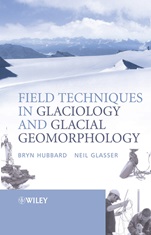
Field Techniques in Glaciology and Glacial Geomorphology
ISBN 9780470844267
Autor: Bryn Hubbard, Neil F. Glasser
Wydawca: Wiley
Dostępność: 3-6 tygodni
Cena: 892,50 zł
Przed złożeniem zamówienia prosimy o kontakt mailowy celem potwierdzenia ceny.
ISBN13: |
9780470844267 |
ISBN10: |
0470844264 |
Autor: |
Bryn Hubbard, Neil F. Glasser |
Oprawa: |
Hardback |
Rok Wydania: |
2005-04-15 |
Ilość stron: |
412 |
Wymiary: |
237x166 |
Tematy: |
RB |
All geography and Earth science carry out field work as part of their studies, either on supervised field courses or independently as part of an extended project. Field techniques in Glaciology and Glacial Geomorphology provides with accepted and practicable techniques for addressing their chosen research.
This book begins by exploring the role of field data acquisition and covers the practical aspects of preparing for fieldwork, discussing key logistical considerations. The remaining chapters on a specific aspect of field Glaciology or Glacial Geomorphology. Examples are provided in the interaction between fieldwork and theory in Glaciology, and of the acquisition and treatment of field data. Each chapter provides a background to the topic, followed by useful methodological information, such as how to construct and deploy field instruments, and concluding with suggestions for projects utilising the techniques discussed.An accessible text focusing on practice rather than theory.Covers the main approaches and techniques available in Glaciology and Glacial geomorphology.International case studies show each method in practice.Allows an understanding to be gained of how the data presented in key papers were gained.
This book is essential for 2nd/3rd year undergraduate students of Physical Geography, Environmental Science and Earth Science, taking courses in Glaciology, Glacial Geomorphology and Glacial Geology. It is an excellent reference for professional glaciologists, geologists, environmental consultants, engineers, geophysicists and lecturers, researchers and postgraduates working and teaching in the field.
Spis treści:
Preface.
Acknowledgements.
1. Introduction.
Aim.
The Scope of this book.
How to use this book.
The role of fieldwork in glaciology and glacial geomorphology.
The relationship between field glaciology and glaciological theory.
2. Condu
cting fieldwork.
Aim.
Designing and planning field–based research.
Logistical preparations for fieldwork.
Fieldwork data .
3. Ice.
Aim.
Ice masses and ice facies: principles, definition and identification.
Sampling glacier ice.
Ice analysis.
Student projects.
4. Meltwater.
Aim.
Background.
Measuring bulk meltwater discharge: stage–discharge rating curves.
Sampling and analysing glacial meltwaters.
Automatedmeasurements by sensors and loggers.
Tracer investigations.
Student projects.
5. Hot–water borehole drilling and borehole instrumentation.
Aim.
Introduction.
Hot water drilling.
Borehole instrumentation.
Summary.
Student projects.
6. Ice radar.
Aim.
Background and physical principles.
Ice radar equipment.
Radar data presentation.
Field radar surveys.
Processing.
Field application and interpretation of ice radar.
Student projects.
7. Glacier mass balance and motion.
Aim.
Surface energy budget.
Mass balance.
Glacier motion and ice velocity.
Student projects.
8. Glacigenic sediments.
Aim.
Introduction to field sedimentology.
Colour and organic content.
Sediment texture.
Particle morphology: the shape and roundness of sedimentary particles.
Bedding.
Sedimentary structures.
Palaeocurrent data.
Other properties.
Field sampling techniques.
Fabric analysis: general considerations.
Clast macrofabrics.
Clast microfabrics and microstructural description.
Clast mesofabrics.
Laboratory analysis.
Interpreting the environment of deposition of sediments.
Presentation of sedimentological data.
Research possibilities.
9. Mapping glaciers and glacial landforms.
Aim.
General consideration.
Aims of the mapping and the areal extent of the map.
Desk–based studies.
Remotely sensed data.
Geomorphological mapping.
Field mapping.
Field surveying techniques.
Ground–penetrating radar and shallow seismic reflection investigations of sediment bodies.
Electrical resistivity surveys.
Aquatic (marine and lacustrine) geophysical techniques.
Mapping glacier structures (structural glaciology).
Final map compilation.
Mapping and measurement of landform change over time.
Research possibilities.
10. Monitoring and reconstructing glacier fluctuations.
Aim.
Remotely–sensed images.
Fieldwork mapping and historical documents.
Dating glacier fluctuations using “absolute age” (numerical–age) and “relative age” estimates.
Numerical–age dating techniques.
Relative–age dating techniques.
Dating glacier fluctuations – concluding remarks.
Research possibilities.
References.
Index.
Okładka tylna:
All geography and Earth science carry out field work as part of their studies, either on supervised field courses or independently as part of an extended project. Field techniques in Glaciology and Glacial Geomorphology provides with accepted and practicable techniques for addressing their chosen research.
This book begins by exploring the role of field data acquisition and covers the practical aspects of preparing for fieldwork, discussing key logistical considerations. The remaining chapters on a specific aspect of field Glaciology or Glacial Geomorphology. Examples are provided in the interaction between fieldwork and theory in Glaciology, and of the acquisition and treatment of field data. Each chapter provides a background to the topic, followed by useful methodological information, such as how to construct and deploy field instruments, and concluding with suggestions for projects utilising the techniques discussed.An accessible text focusing on practice rather than theory.Covers the main
approaches and techniques available in Glaciology and Glacial geomorphology.International case studies show each method in practice.Allows an understanding to be gained of how the data presented in key papers were gained.
This book is essential for 2nd/3rd year undergraduate students of Physical Geography, Environmental Science and Earth Science, taking courses in Glaciology, Glacial Geomorphology and Glacial Geology. It is an excellent reference for professional glaciologists, geologists, environmental consultants, engineers, geophysicists and lecturers, researchers and postgraduates working and teaching in the field.
Koszyk
Książek w koszyku: 0 szt.
Wartość zakupów: 0,00 zł
Informacje


Kontakt
Gambit
Centrum Oprogramowania
i Szkoleń Sp. z o.o.
Al. Pokoju 29b/22-24
31-564 Kraków
Siedziba Księgarni
ul. Kordylewskiego 1
31-542 Kraków
+48 12 410 5991
+48 12 410 5987
+48 12 410 5989
Subskrypcje
Administratorem danych osobowych jest firma Gambit COiS Sp. z o.o. Na podany adres będzie wysyłany wyłącznie biuletyn informacyjny.
Autoryzacja płatności

Informacje na temat autoryzacji płatności poprzez PayU.

© Copyright 2012: GAMBIT COiS Sp. z o.o. Wszelkie prawa zastrzeżone.
Projekt i wykonanie: Alchemia Studio Reklamy