


Wydawcy
Katalog tematyczny
- Archeologia (109)
- Ekonomia, finanse, business (13704)
- Filozofia (1445)
- Historia (3040)
- Języki i językoznawstwo (2356)
- Lifestyle, hobby i rozrywka (475)
- Medycyna (9704)
- Nauki humanistyczne (4)
- Nauki o Ziemi i środowisku (2638)
- Nauki ścisłe (20412)
- Astronomia (294)
- Biologia (5119)
- Chemia (6540)
- Chemia analityczna (361)
- Chemia fizyczna (346)
- Chemia nieorganiczna (137)
- Chemia organiczna (535)
- Krystalografia (27)
- Minerologia (46)
- Fizyka (3309)
- Matematyka (4574)
- Nauki ścisłe, ogólnie (503)
- Nauki społeczne (8486)
- Nauki techniczne (13450)
- Prawo (1696)
- Publikacje informacyjne i interdyscyplinarne (1288)
- Religia i wierzenia (917)
- Technika komputerowa (4067)
- Zdrowie, relacje międzyludzkie i rozwój osobisty (657)





Informacje szczegółowe o książce
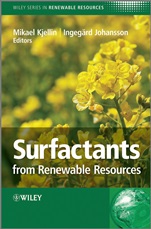
Surfactants from Renewable Resources
ISBN 9780470760413
Autor: Mikael Kjellin, Ingegärd Johansson
Wydawca: Wiley
Dostępność: 3-6 tygodni
Cena: 672,00 zł
Przed złożeniem zamówienia prosimy o kontakt mailowy celem potwierdzenia ceny.
ISBN13: |
9780470760413 |
ISBN10: |
0470760419 |
Autor: |
Mikael Kjellin, Ingegärd Johansson |
Oprawa: |
Hardback |
Rok Wydania: |
2010-01-26 |
Ilość stron: |
336 |
Wymiary: |
254x176 |
Tematy: |
PN |
Most modern surfactants are readily biodegradable and exhibit low toxicity in the aquatic environment, the two criteria for green surfactants. However the majority are synthesised from petroleum, so over the past decade the detergent industry has turned its attention to developing greener routes to create these surfactants via renewable building blocks.
<italic>Surfactants from Renewable Resources</italic> presents the latest research and commercial applications in the emerging field of sustainable surfactant chemistry, with emphasis on production technology, surface chemical properties, biodegradability, ecotoxicity, market trends, economic viability and life–cycle analysis.
Reviewing traditional sources for renewable surfactants as well as recent advances, this text focuses on techniques with potential for large scale application.
Topics covered include:
• Renewable hydrophobes from natural fatty acids and forest industry by–products
• Renewable hydrophiles from carbohydrates, amino acids and lactic acid
• New ways of making renewable building blocks; ethylene from renewable resources and complex mixtures from waste biomass
• Biosurfactants
• Surface active polymers
This book is a valuable resource for industrial researchers in companies that produce and use surfactants, as well as academic researchers in surface and polymer chemistry, sustainable chemistry and chemical engineering.
Spis treści:
Series Preface
Preface
Acknowledgements
List of Contributors
Part 1: Renewable Hydrophobes
1. Surfactants based on natural fatty acids,Martin Svensson
1.1 Introduction and History
1.2 Fats and Oils as Raw Materials
1.3 Fatty Acid Soaps
1.4 Polyethyleneglycol Fatty Acid Esters
1.5 Polyglycerol fatty acid esters
1.6 Conclusions
References2. Nitrogen Derivatives of Natural Fats and OilsRalph Franklin
2.1 Introduction
2.2 Manufacture of Fatty Nitrogen Derivatives
2.3 Production Data
2.4 Ecological Aspects
2.5 Biodegradation
2.6 Properties of Nitrogen–based Surfactants
2.7 Applications
2.8 Conclusions
References
3. Surface–Active Compounds as Forest–Industry By–ProductsBjarne Holmbom, Anna Sundberg and Anders Strand
3.1 Introduction
3.2 Resin and Fatty Acids
3.3 Sterols and Sterol Ethoxylates
3.4 Hemicelluloses
Acknowledgement
ReferencesPart 2: Renewable Hydrophiles
4. Surfactants based on Carbohydrates and Proteins for Consumer Products and Technical ApplicationsKarlheinz Hill
4.1 Introduction
4.2 Raw materials
4.3 Products and Applications
4.4 Conclusion
5. Amino acids, lactic acid and ascorbic acid as raw materials for biocompatible surfactants
Carmen Moran, Lourdes Perez, Ramon Pons, Aurora Pinazo and Mª Rosa Infante
5.1 Introduction
5.2 Production of raw materials
5.3 Lysine based surfactant
s
5.4 Lactic acid based surfactants
5.5 Ascorbic acid based surfactants
References
Part 3: New ways of making renewable building blocks6. Synthesis of ethylene, propylene from ethanol or methanol
Anna Lundgren and Thomas Hjertberg
6.1 Introduction
6.2 Why Produce Ethylene from Renewable Resources?
6.3 Production of Ethylene from Renewable Feed Stock
6.4 Commercialization of Bioethylene
6.5 Environmental Impact of Bioethylene
6.6 Certificate of Green Carbon Content
6.7 Concluding Remarks
References7. Fermentation based building blocks for renewable resource based surfactantsKrisArvid Berglund, Ulrika Rova, David B. Hodge
7.1 Introduction
7.2 Existing and Potential Classes of Surfactants from Biologically–Derived Metabolites
7.3 Fermentation–Based Building Blocks with Large Existing Markets
7.4 New Fermentation–Based Building Blocks
Conclusion
References
Part 4: Biosurfactants8. Enzymatic synthesis of biosurfactants,Patrick Adlercreutzand Rajni Hatti–Kaul
8.1 Introduction
8.2 Enzymes as catalysts for synthesis of surfactants
8.3 Enzymatic synthesis of polar lipids useful as surfactants
8.4 Carbohydrate esters
8.5 Fatty amide surfactants
8.6 Amino acid–based surfactants
8.7 Alkyl glycosides
8.8 Future prospects
Acknowledgement
References9. Surfactants from waste biomassFlor Yunuen Garcia–Becerra, David Grant Allen, and Edgar Joel Acosta
9.1 Introduction
9.2 Surfactants obtained from biological transformation of waste biomass
9.3 Surfactants obtained from chemical transformation of waste biomass
9.4 Summary and outlook
9.5 References
10. Lecithin and PhospholipidsWillem van Nieuwenhuyzen
10.1 Introduction
10.2 Sources and production
10.3 Composition
10.4 Quality and analysis of lecithins
10.5 Modification
10.6 Emulsifying properties
10.7 Applications
10.8 Legislation and reach
10.9 Conclusion
References11. Sophorolipid and rhamnolipid synthesis and their application in cleaning productsDirk Develter and Steve Fleurackers
11.1 Sophorolipids
11.2 Derivatives of native sophorolipids
11.3 Biosynthesis of novel sophorolipids
11.4 Rhamnolipids
11.5 Cleaning applications using sophorolipids and rhamnolipids
References
12. Saponin based surfactantsWieslaw Oleszek and Arafa Hamed
12.1 Introduction
12.2 Molecular properties
12.3 Sources of saponins
12.4 Saponins as emulsifiers and surfactants
12.5 Application of saponins as surfactants and emulsifiers
References
Part 5: Polymeric surfactants/Surface active polymers
13. Surface active polymers from celluloseLeif Karlson
13.1 Introduction
13.2 Structure and synthesis of cellulos
e ether
13.3 Cellulose ethers in aqueous solution
13.4 Interaction with surfactants
13.5 Clouding
References
14. New developments in the commercial utilisation of lignosulfonatesRolf Andreas Lauten, Bernt O. Myrvold and Stig Are Gundersen
14.1 Introduction
14.2 Lignosulfonates
14.3 Lignosulfonate production
14.4 Environmental issues
14.5 Lignosulfonates as stabilisers for emulsions and suspoemulsions
14.6 Superplasticizers for concrete
14.7 Summary
Acknowledgements
References
15. Dispersion stabilizers based on inulinTharwat F. Tadrosand Bart Levecke
15.1 Introduction
15.2 Solution Properties of long–chain inulin and hydrophobically modified inulin (HMI)
15.3 Interfacial Aspects of HMI at Various Interfaces
15.4 Emulsions Stabilized Using HMI
15.5 Emulsion Polymerization Using Hydrophobically Modified Inulin (HMI)
15.6 Use of HMI for Preparation and Stabilisation of Nano–Emulsions
References
Okładka tylna:
Most modern surfactants are readily biodegradable and exhibit low toxicity in the aquatic environment, the two criteria for green surfactants. However the majority are synthesised from petroleum, so over the past decade the detergent industry has turned its attention to developing greener routes to create these surfactants via renewable building blocks.
<italic>Surfactants from Renewable Resources</italic> presents the latest research and commercial applications in the emerging field of sustainable surfactant chemistry, with emphasis on production technology, surface chemical properties, biodegradability, ecotoxicity, market trends, economic viability and life–cycle analysis.
Reviewing t
raditional sources for renewable surfactants as well as recent advances, this text focuses on techniques with potential for large scale application.
Topics covered include:
• Renewable hydrophobes from natural fatty acids and forest industry by–products
• Renewable hydrophiles from carbohydrates, amino acids and lactic acid
• New ways of making renewable building blocks; ethylene from renewable resources and complex mixtures from waste biomass
• Biosurfactants
• Surface active polymers
This book is a valuable resource for industrial researchers in companies that produce and use surfactants, as well as academic researchers in surface and polymer chemistry, sustainable chemistry and chemical engineering.
Koszyk
Książek w koszyku: 0 szt.
Wartość zakupów: 0,00 zł
Informacje


Kontakt
Gambit
Centrum Oprogramowania
i Szkoleń Sp. z o.o.
Al. Pokoju 29b/22-24
31-564 Kraków
Siedziba Księgarni
ul. Kordylewskiego 1
31-542 Kraków
+48 12 410 5991
+48 12 410 5987
+48 12 410 5989
Subskrypcje
Administratorem danych osobowych jest firma Gambit COiS Sp. z o.o. Na podany adres będzie wysyłany wyłącznie biuletyn informacyjny.
Autoryzacja płatności

Informacje na temat autoryzacji płatności poprzez PayU.

© Copyright 2012: GAMBIT COiS Sp. z o.o. Wszelkie prawa zastrzeżone.
Projekt i wykonanie: Alchemia Studio Reklamy