


Wydawcy
Katalog tematyczny
- Archeologia (109)
- Ekonomia, finanse, business (13704)
- Filozofia (1445)
- Historia (3040)
- Języki i językoznawstwo (2356)
- Lifestyle, hobby i rozrywka (475)
- Medycyna (9704)
- Chirurgia (272)
- Inne gałęzie medycyny (1871)
- Medycyna kliniczna (4187)
- Choroby wewnętrzne (514)
- Dermatologia (51)
- Diagnostyka medyczna (3)
- Endokrynologia (144)
- Gastroenterologia (27)
- Geriatria (50)
- Ginekologia i położnictwo (134)
- Hematologia (46)
- Hepatologia (10)
- Kardiologia (71)
- Laryngologia (12)
- Nefrologia (10)
- Neurologia (500)
- Oftalmologia (50)
- Pediatria (33)
- Pulmunologia (32)
- Reumatologia (14)
- Terapia genowa (1)
- Układ mięśniowo-szkieletowy (1)
- Urologia (14)
- Medycyna niekonwencjonalna (14)
- Medycyna przedkliniczna (269)
- Medycyna, ogólnie (1740)
- Medyczne służby pomocnicze (745)
- Studia medyczne (16)
- Weterynaria (548)
- Nauki humanistyczne (4)
- Nauki o Ziemi i środowisku (2638)
- Nauki ścisłe (20412)
- Nauki społeczne (8486)
- Nauki techniczne (13450)
- Prawo (1696)
- Publikacje informacyjne i interdyscyplinarne (1288)
- Religia i wierzenia (917)
- Technika komputerowa (4067)
- Zdrowie, relacje międzyludzkie i rozwój osobisty (657)





Informacje szczegółowe o książce
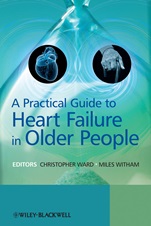
A Practical Guide to Heart Failure in Older People
ISBN 9780470695173
Autor: Chris Ward, Miles Witham
Wydawca: Wiley
Dostępność: 3-6 tygodni
Cena: 374,85 zł
Przed złożeniem zamówienia prosimy o kontakt mailowy celem potwierdzenia ceny.
ISBN13: |
9780470695173 |
ISBN10: |
047069517X |
Autor: |
Chris Ward, Miles Witham |
Oprawa: |
Hardback |
Rok Wydania: |
2009-04-02 |
Ilość stron: |
294 |
Wymiary: |
248x174 |
Tematy: |
MJ |
Heart failure is effectively a disease of older people. Eighty percent of patients are over 65 years old, and the majority of these are over 75. This figure is likely to increase significantly in the next two decades. The prognosis is worse than that of most cancers and heart failure is the commonest reason for hospital admission in the over 65s.
The problems associated with treating heart failure in older patients are more diverse and complex than in those who are younger. The diagnosis in older patients is easily overlooked and as they were excluded from most heart failure treatment trials there has been a reluctance to treat them optimally (fewer than 20% are prescribed conventional medicines). They have multiple co–morbidities which are poorly managed, they are repeatedly hospitalised, and suffer social isolation.
These important age–related treatment and management problems have been largely ignored and this book aims to redress the balance. It provides a concise, comprehensive account of the epidemiology, pathogenesis, diagnosis, treatment, management and end–of–life care of elderly patients with heart failure, based on published studies.
A Practical Guide to Heart Failure in Older People is essential reading for geriatricians, cardiologists, general hospital physicians, family practitioners and specialist nurses.
• Specifically addresses the particular needs of the elderly, a largely ignored group who constitute the majority of patients with heart failure
• Presents a concise yet comprehensive account of the evidence relating to the diagnosis, treatment and management of heart failure in this population
• Improves awareness of the various roles within the management team
Spis treści:
Contents
Chapter 1 Introduction
Christopher Ward
1.1 A Working Definition of Heart Failure
1.2 What do We Mean by ‘Older People?’
1.3 The Expectations of Ol
der Patients
1.4 Age–Related Problems in Heart Failure Treatment and Management
1.5 The Level of Evidence for Treating Older Patients
References
Chapter 2 Epidemiology
Christopher Ward
2.1 Epidemiology, Demography and Prognosis
2.2 Heart Failure with Preserved Left Ventricular Systolic Function
2.3 Prevalence, Incidence and Prognosis
2.4 Age and Prognosis
2.5 The Effects of Gender and Race on Prevalence and Prognosis
2.6 The Increasing Prevalence of Heart Failure and Longevity
2.7 The Implications of Epidemiological and Demographic Data
References
Chapter 3 Heart Failure and the Aging Heart
Helen Oxenham
3.1 Introduction
3.2 Overt and Subclinical Cardiovascular Disease in Older People
3.3 Mitral Annular Calcification
3.4 Age–Related Changes to Cardiac Structure and Function
3.5 Other Relevant Age–Related Changes
3.6 Responses of the Aging Cardiovascular System to Exercise, Normal Daily Activities and to Other Physiological Stresses
3.7 he Pathogenesis of Heart Failure
3.8 The Impact of Age–Related Changes to the Cardiovascular System on the Responses to Myocardial Damage
3.9 The Prevention of Heart Failure in Older People
References
Chapter 4 Aetiology
Christopher Ward
4.1 Classification of the Aetiologies of Heart Failure
4.2 The Importance of Identifying the Aetiology
4.3 Specific Aetiologies
4.4 Post–Myocardial Infarction Heart Failure
4.5 Valvular Disease
4.6 The Cardiomyopathies
4.7 Atrial Fibrillation
References
Chapter 5 Diagnosis
Christopher Ward
5.1 Diagnostic Guidelines
5.2 Symptoms and Signs: Sensitivity and Specificity
5.3 Objective Evidence of Left Ventricular Systolic Dysfunction
5.4 Diagnostic Difficulties in Older Patients
5.5 Diagnosis, Patient Management and Clinical Profile
References
Chapter 6 Pharmacological Treatment
Miles D. Witham
6.1 Introduction
6.2 ACE Inhibitors
6.3 Beta–Blockers
6.4 Spironolactone
6.5 Diuretics
6.6 Digoxin
6.7 Hydralazine and Nitrates
6.8 Adding Angiotensin Receptor Blockers to ACE Inhibitors
6.9 Treating the Underlying Cardiovascular Disease
6.10 Medications to Avoid
6.11 Prescribing for Heart Failure with Preserved Systolic Function
6.12 Prescribing for Multiple Comorbidities
6.13 Prescribing at the End of Life
References
Chapter 7 Non–Pharmacological Management
Sinéad P. McKee and Miles D. Witham
7.1 Exercise Training
7.2 Types of Exercise Programme
7.3 Smoking
7.4 Diet
7.5 Alcohol
7.6 Vaccinations
7.7 Psychological Interventions
References
Chapter 8 Comorbidity
Andrew Elder
8.1 Introduction
8.2 The Prevalence of Comorbidities
8.3 The Implications of Comorbidity
8.4 Specific Comorbidities in Heart Failure
References
Chapter 9 Treatment and Management in Primary Care
Alan Begg
9.1 Introduction
9.2 The Role of Primary Care and the Patient Population
9.3 Heart Failure Registers, Data Collection and Audit
9.4 Heart Failure in General Practice
9.5 Treatment and Management
9.6 Specific Problems in Treating Older Patients
References
Chapter 10 The Role of the Specialist Nurse
Sinéad P. McKee
10.1 Introduction
10.2 The Role of the Specialist Nurse
10.3 Clinic–Based versus Home–Based Service
10.4 Multidisciplinary Team Liaison
10.5 Specific Issues Affecting Older Patients
10.6 End of Life Care
10.7 Specialist Nurses and Education
References
Chapter 11 The Role of the Heart Failure Specialist
Maheshwar Pauriah, Aaron K.F. Wong and Chim C. Lang
11.1 Introduction
11.2 The Role of the Heart Failure Specialist
11.3 The Provision of a Diagnostic Service and Patient Assessment
11.4 Management of
Patients with Acute or Worsening Heart Failure Symptoms
11.5 Optimization of Heart Failure Treatment
11.6 Treatment of Reversible Causes of Heart Failure
11.7 Treatment of Concomitant Diseases
11.8 Multidisciplinary Care
References
Chapter 12 Hospitalization
Andrew Hannah
12.1 The Epidemiology of Hospitalization
12.2 The Aetiology of Heart Failure in Hospitalized Patients
12.3 Classification and Diagnosis of Acute Heart Failure
12.4 Causes and Precipitants of Hospitalization
12.5 Treatment of Acute Heart Failure
12.6 Management of the Common Cardiac Causes of Hospitalization for Heart Failure
12.7 Outcomes in Patients Hospitalized for Heart Failure
12.8 Strategies to Reduce Admissions and Readmissions in Patients with Heart Failure
References
Chapter 13 Models of Care and Disease Management Programmes
Martin Wilson and Stephen J. Leslie
13.1 Introduction
13.2 Disease Management Programmes
13.3 Disease Management Programmes: The Evidence
13.4 Guidelines and Critical Care Pathways
13.5 Remote and Rural Issues
13.6 Telecardiology in Heart Failure
13.7 Conclusions
References
Chapter 14 Palliative and Supportive care for Patients with Advanced and Terminal Heart Failure
Christopher Ward, Francis G. Dunn, Shona M.M. Jenkins and Martin Leiper
14.1 What is Palliative Care?
14.2 Age–Related Problems and the Provision of Palliative Care
14.3 Advanced and Terminal Heart Failure
14.4 Management of Specific Symptoms
14.5 Home and Hospital Care
14.6 Withdrawal of Conventional Drugs
14.7 The Palliative Care Needs of Heart Failure Patients
14.8 Palliative Care Strategies for Heart Failure
14.9 Timing the Introduction of Different Palliative Care Strategies
14.10 Cardiological Issues
14.11 The Management Implications of Advanced Heart Failure
14.12 Control of Symptoms Using Mostly Generic Treatments
14.13 Suppo
Koszyk
Książek w koszyku: 0 szt.
Wartość zakupów: 0,00 zł
Informacje


Kontakt
Gambit
Centrum Oprogramowania
i Szkoleń Sp. z o.o.
Al. Pokoju 29b/22-24
31-564 Kraków
Siedziba Księgarni
ul. Kordylewskiego 1
31-542 Kraków
+48 12 410 5991
+48 12 410 5987
+48 12 410 5989
Subskrypcje
Administratorem danych osobowych jest firma Gambit COiS Sp. z o.o. Na podany adres będzie wysyłany wyłącznie biuletyn informacyjny.
Autoryzacja płatności

Informacje na temat autoryzacji płatności poprzez PayU.

© Copyright 2012: GAMBIT COiS Sp. z o.o. Wszelkie prawa zastrzeżone.
Projekt i wykonanie: Alchemia Studio Reklamy