


Wydawcy
Katalog tematyczny
- Archeologia (109)
- Ekonomia, finanse, business (13704)
- Filozofia (1445)
- Historia (3040)
- Języki i językoznawstwo (2356)
- Lifestyle, hobby i rozrywka (475)
- Medycyna (9704)
- Nauki humanistyczne (4)
- Nauki o Ziemi i środowisku (2638)
- Nauki ścisłe (20412)
- Nauki społeczne (8486)
- Edukacja (229)
- Kryminologia, opieka spełeczna (284)
- Obronność (10)
- Polityka (1389)
- Psychologia (777)
- Socjologia (410)
- Społeczeństwo i kultura (187)
- Nauki techniczne (13450)
- Prawo (1696)
- Publikacje informacyjne i interdyscyplinarne (1288)
- Religia i wierzenia (917)
- Technika komputerowa (4067)
- Zdrowie, relacje międzyludzkie i rozwój osobisty (657)





Informacje szczegółowe o książce
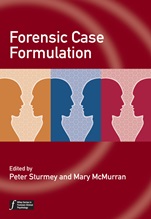
Forensic Case Formulation
ISBN 9780470683958
Autor: Peter Sturmey, Mary McMurran
Wydawca: Wiley
Dostępność: 3-6 tygodni
Cena: 528,15 zł
Przed złożeniem zamówienia prosimy o kontakt mailowy celem potwierdzenia ceny.
ISBN13: |
9780470683958 |
ISBN10: |
0470683953 |
Autor: |
Peter Sturmey, Mary McMurran |
Oprawa: |
Hardback |
Rok Wydania: |
2011-09-02 |
Ilość stron: |
334 |
Wymiary: |
252x170 |
Tematy: |
JC |
Effective assessment and treatment of offenders is important for reducing the likelihood of further offending. Understanding the processes which initiate and maintain offending behaviour is integral to the design and evaluation of appropriate, individually–tailored interventions. Forensic Case Formulation describes the principles and application of case formulation specifically for forensic clinical practice.
In this edited volume, contributors review the fundamental aspects of case formulation, including definitions, reliability and validity. The practical applications of case formulation applied to violence, sexual offenses personality disorder, and substance abuse are described, and illustrated with case studies. Also covered is the interrelationship between case formulation and risk assessment. Forensic Case Formulation offers rich insights into the use of case formulation with forensic clients.
Spis treści:
List of Contributors.
Series Editors′ Preface.
Editors′ Preface.
GENERAL ISSUES.
Chapter 1. Theoretical and Evidence–Based Approaches to Case Formulation (Tracey D. Eells and Kenneth G. Lombart, University of Kentucky, USA).
Chapter 2. Current Issues in Case Formulation (Gregory H. Mumma, Texas Tech University).
Chapter 3. Does Case Formulation Make a Difference To Treatment Outcome? (Ata Ghaderi, Uppsala University, Sweden).
VIOLENCE.
Chapter 4. Formulation of Violence Risk Using Evidence–Based Assessments: The Structured Professional Judgment Approach (Stephen D. Hart, Simon Fraser University and University of Bergen and Caroline Logan, Greater Manchester West Mental Health NHS Foundation Trust and University of Manchester).
Chapter 5. Cognitive–Behavioral Approaches To Formulating Aggression And Violence (Kevin Howells, University of Nottingham, UK).
Chapter 6. Formulation of Serious Violent Offen
ding Using Multiple Sequential Functional Analysis (Aidan J. P. Hart, David M. Gresswell,University of Lincoln and Louise Braham, University of Nottingham).
Chapter 7. Forensic Case Formulation, Substance Abuse Disorders and Anger (Ellen Vedel, Jellinek Substance Abuse Treatment Center and Paul M. G. Emmelkamp, University of Amsterdam).
SEXUAL OFFENDING.
Chapter 8. Sexual Offenses Against Children (James Vess & Tony Ward, Victoria University of Wellington, New Zealand).
Chapter 9. Sexual Offenses Against Adults (Stacey L. Shipley, North Texas State Hospital and Bruce A. Arrigo, University of North Carolina – Charlotte).
SPECIFIC POPULATIONS.
Chapter 10. Forensic Case Formulation with Children and Adolescents (Phil Rich, Stetson School, Massachussetts).
Chapter 11 Formulating Offending Behaviour In People With Mild Learning Disabilities (William Lindsay, University of Abertay Dundee, UK).
Chapter 12. Case formulation for Individuals With Personality Disorder (Lawrence Jones, Nottinghamshire Healthcare NHS Trust, United Kingdom).
CONCLUSION.
Chapter 13. Forensic Case Formulation: Emerging Issues (Peter Sturmey, City University of New York and Mary McMurran, University of Nottingham, United Kingdom).
Nota biograficzna:
Mary McMurran is Professor in the University of Nottingham′s Institute of Mental Health. She has written extensively on personality disorders, alcohol–related aggression, and readiness to engage in therapy.
Peter Sturmey is Professor of Psychology at Queens College and The Graduate Center, City University of New York. He has published extensively on developmental disabilities, applied behavior analysis, and on issues relating to staff and parent training.
Okładka tylna:
Effective assessment and treatment of offenders is important for reducing the likelihood of further
offending. Understanding the processes which initiate and maintain offending behaviour is integral to the design and evaluation of appropriate, individually–tailored interventions. Forensic Case Formulation describes the principles and application of case formulation specifically for forensic clinical practice.
In this edited volume, contributors review the fundamental aspects of case formulation, including definitions, reliability and validity. The practical applications of case formulation applied to violence, sexual offenses personality disorder, and substance abuse are described, and illustrated with case studies. Also covered is the interrelationship between case formulation and risk assessment. Forensic Case Formulation offers rich insights into the use of case formulation with forensic clients.
Koszyk
Książek w koszyku: 0 szt.
Wartość zakupów: 0,00 zł
Informacje


Kontakt
Gambit
Centrum Oprogramowania
i Szkoleń Sp. z o.o.
Al. Pokoju 29b/22-24
31-564 Kraków
Siedziba Księgarni
ul. Kordylewskiego 1
31-542 Kraków
+48 12 410 5991
+48 12 410 5987
+48 12 410 5989
Subskrypcje
Administratorem danych osobowych jest firma Gambit COiS Sp. z o.o. Na podany adres będzie wysyłany wyłącznie biuletyn informacyjny.
Autoryzacja płatności

Informacje na temat autoryzacji płatności poprzez PayU.

© Copyright 2012: GAMBIT COiS Sp. z o.o. Wszelkie prawa zastrzeżone.
Projekt i wykonanie: Alchemia Studio Reklamy