


Wydawcy
Katalog tematyczny
- Archeologia (109)
- Ekonomia, finanse, business (13704)
- Filozofia (1445)
- Historia (3040)
- Języki i językoznawstwo (2356)
- Lifestyle, hobby i rozrywka (475)
- Medycyna (9704)
- Nauki humanistyczne (4)
- Nauki o Ziemi i środowisku (2638)
- Nauki ścisłe (20412)
- Nauki społeczne (8486)
- Edukacja (229)
- Kryminologia, opieka spełeczna (284)
- Obronność (10)
- Polityka (1389)
- Psychologia (777)
- Socjologia (410)
- Społeczeństwo i kultura (187)
- Nauki techniczne (13450)
- Prawo (1696)
- Publikacje informacyjne i interdyscyplinarne (1288)
- Religia i wierzenia (917)
- Technika komputerowa (4067)
- Zdrowie, relacje międzyludzkie i rozwój osobisty (657)





Informacje szczegółowe o książce
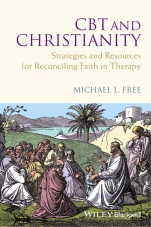
CBT and Christianity: Strategies and Resources for Reconciling Faith in Therapy
ISBN 9780470683255
Autor: Michael L. Free
Wydawca: Wiley
Dostępność: 3-6 tygodni
Cena: 387,45 zł
Przed złożeniem zamówienia prosimy o kontakt mailowy celem potwierdzenia ceny.
ISBN13: |
9780470683255 |
ISBN10: |
0470683252 |
Autor: |
Michael L. Free |
Oprawa: |
Hardback |
Rok Wydania: |
2015-09-25 |
Ilość stron: |
400 |
Wymiary: |
233x150 |
Tematy: |
JC |
While Cognitive Behavioral Therapy (CBT) is anempirically–supported treatment, many behavioral and analyticalpsychotherapists also recognize the healing potential of religiousbelief. CBT and Christianity offers CBT therapists anauthoritative, practical, and comprehensive resource for counselingclients with an allegiance to the Christian faith. This innovativenew treatment approach compares the teachings of Jesus tocontemporary cognitive and mindfulness–based therapies, describinga variety of successful assessment and treatment approaches withChristian clients by incorporating the teachings of Jesus intological thinking, schema modification, and committed behaviorchange. Clarity is further enhanced through a variety of specificexamples, descriptions of generic methods, and supplementalresources provided by the author. By combining effective treatmentswith sensitivity to religious convictions, CBT andChristianity offers innovative insights into the spiritual andpsychological well–being of clients with Christian beliefs.
List of Figures
List of Boxes
List of Tables
About the Author
Author s Preface
Chapter One: Introduction
Topics in Chapter 1
The development and dominance of Cognitive Therapy as a psychotherapy
The Importance of Christianity in the West
The appreciation of the role of non–specific factors in psychotherapy
Interest in the Buddhist technique of Mindfulness
Findings relating religious adherence to positive mental and physical health
The growing respect for cultural and individual differences
The decline of Logical Positivism and the rise of Postmodernism and Social Constructionist theory
The question of a logical connection between Cognitive therapy and the teachings of Jesus
Chapter Two: Introduction to Cognitive Therapy
Topics in Chapter 2
The Basis of Cognitive Therapy
Beck s Cognitive Therapy
The Cognitive Model
The Premise of Cognitive Therapy
Rational Emotive (Behaviour) Therapy
Schema Therapy
Chapter Three: The Context of the Teachings of Jesus
Topics in Chapter 3
Why we should consider the teachings of Jesus
The records of Jesus the Person
The location of the teachings of Jesus
The approach taken in this book towards the Teachings of Jesus
The historical context of the New Testament
Early History: Invasion and exile
Return to the homeland
Alexander the Great and the influence of Hellenistic culture
Rome and the Herodian dynasty
The context of Jesus birth and life
Events after Jesus death
The Social Context of the New Testament
The economy
The Family
The politics of religion in the time of Jesus
Stages in the early dissemination of the teachings of Jesus
Dissemination during Jesus lifetime
Eyewitnesses and oral tradition
Development of the material
Towards written Gospels
The Transition to written Gospels: Q and other sources
Jesus own context
The Written Gospels
Mark
Matthew
Luke
John
Conclusion
Chapter Four: What Did Jesus Teach: A Biblical Scholarship Approach
Topics in Chapter 4
The Purpose of the Chapter
Problems with direct use of the Gospels
Summary of factors influencing the content of the Gospels
The Historical Jesus and the Jesus of Faith (and the inerrancy of scripture)
Biblical Scholarship: Tracking the words and deeds of Jesus
Conclusions about Jesus life, circumstances and characteristic behaviour
Jesus Teachings as conveyed in words
The forms of Jesus Words
The Parables
The Proverbial Sayings (Apophthegms/Aphorisms)
Most Radical Sayings
The Eschatological Reversal sayings
The Conflict Sayings
The Parenetical sayings
Other Kinds of Sayings
Conclusion
Chapter Five: Comparison of Jesus use of Logic with Cognitive Therapy
Topics in Chapter 5
Content and process of thinking
Logic
Logic in Cognitive Therapy
Logic in the teaching of Jesus
A method for comparing Cognitive Therapy with the teachings of Jesus
Jesus references to the use of logic
Implicit appeals to the use of logic
Reference to specific rules of logic
Individual principles of logic that Jesus is exhorting his hearers to apply
Use of Analogies
Analogies in John
Conclusions
Rules of logic that Jesus applies
Forms of Jesus argument
Comparison of Jesus Logic with Cognitive therapy
Specific consistencies
Chapter Six: Comparison of Jesus Teaching with Cognitive Therapy: Part Two; Content
Topics in Chapter 6
The Content of Cognitive Therapy
The content of Jesus deeds
The content of Jesus Teachings
Norman Perrin and Denis Duling
John P Meier
John Dominic Crossan
Gerd Theissen
Robert W Funk and The Jesus Seminar
Conclusion
Implicational Content of Jesus Teaching
The Parables
Relationship of themes identified in the teachings of Jesus to Cognitive Therapy
Chapter Seven: A Schema–Centred Model of Psychological Dysfunction
Topics in Chapter 7
A Schema–Centred Model of psychological dysfunction
Predisposing Factors
Genetic Predisposition
Developmental experiences
The central role of the Schema
Precipitating Factors
Perpetuating Factors
Assessment
General CBT assessment– Overview
General CBT assessment– Method
CBT Assessment when working with Christian people
Assessment as therapy
Choosing the intervention
Using the results of assessment in conjunction with the rest of this book
Chapter Eight: New Life in Cognitive Therapy
Topics in Chapter 8
Reasons for seeking therapy
Ways of doing therapy
The need to address Christian Issues in therapy
Preliminary Considerations
Doing something about one s emotional state, using the teachings of Jesus
Use of the Scriptures in Therapy
Making choices
Commitment
Is it appropriate for a Christian to use logic?
Did Jesus want his followers to use logic?
Using Logic like Jesus
Jesus view of Logical errors
Values
Conclusion to Chapter
Chapter Nine: Introduction to Content Interventions
Topics in Chapter 9
Working with Propositional content
Identification of content relevant to the particular patient
Dividing the content into relevant domains
Identifying the propositional aspects of thought content
Considering relevant passages for the content domain
Deciding that the propositional content is false
Developing counters
Perceptual shift
Working with Implicational Content
Chapter Ten: Jesus and the Value of People
Topics in Chapter 10
Teachings relevant to the value of people
Social Inclusion
Implicational work
The Syrio–Phoenician (Canaanite) Woman
Interpersonal considerations
Forgiving, judging, loving
Forgiveness
Judging
Conclusion with respect to Judgement
The value of people
The Beatitudes
The Woes
Parables
Loving
Exercises
Chapter Conclusions
Chapter Eleven: Relationship to God, the World, and the Future
Topics in Chapter 11
God, the world, and the future
Acceptance and Trust, versus Fear
The wider aspect of faith
Knowing the future
Spiritual versus material considerations
Conclusions regarding spiritual versus material concerns
Implicational approaches
The relationship of Jesus teachings to the Jewish Law: Principle versus literal/old versus new;
Propositional approaches
Conclusion for Principled versus Literal interpretation of the law
The inconsequential becomes greatly valuable
Implicational work
Chapter Twelve: The Christian s Behaviour
Topics in Chapter 12
The relevance of Jesus teaching to the Christian s behaviour
Commitment, allegiance, and readiness
Commitment
Watchfulness and readiness
What is important versus what is not important
Assumption of status
Asking for desires/praying
Prophecy, signs, logic
Behaviour derived from this material
The relationships amongst intention, fantasy, action, and responsibility
Forgiveness
Adultery and lust
Conclusions
Chapter Thirteen: Following Jesus: The ongoing dialectic
Topics in Chapter 13
Dialectics in clinical psychology
Consistency between Cognitive Therapy and the teaching of Jesus
Assessment for treatment
Commitment to Therapy
Using Logic like Jesus
Values
Content Interventions
General Method
Value of Persons
God, the world, and the future
The Christian s behaviour
Tensions
Resolution
Appendix One: A Life History Questionnaire
Appendix Two: A Christian values rating scale
Appendix Three: Some useful sets of Commentaries
References
Index
Michael L. Free is a Clinical Psychologist working with adults and adolescents in individual and couples therapy. He is a former lecturer in Clinical Psychology at Griffith University, Brisbane, Australia. He is the Author of Cognitive Therapy in Groups (Wiley–Blackwell, Second Edition, 2007)
Koszyk
Książek w koszyku: 0 szt.
Wartość zakupów: 0,00 zł
Informacje


Kontakt
Gambit
Centrum Oprogramowania
i Szkoleń Sp. z o.o.
Al. Pokoju 29b/22-24
31-564 Kraków
Siedziba Księgarni
ul. Kordylewskiego 1
31-542 Kraków
+48 12 410 5991
+48 12 410 5987
+48 12 410 5989
Subskrypcje
Administratorem danych osobowych jest firma Gambit COiS Sp. z o.o. Na podany adres będzie wysyłany wyłącznie biuletyn informacyjny.
Autoryzacja płatności

Informacje na temat autoryzacji płatności poprzez PayU.

© Copyright 2012: GAMBIT COiS Sp. z o.o. Wszelkie prawa zastrzeżone.
Projekt i wykonanie: Alchemia Studio Reklamy