


Wydawcy
Katalog tematyczny
- Archeologia (109)
- Ekonomia, finanse, business (13704)
- Filozofia (1445)
- Historia (3040)
- Języki i językoznawstwo (2356)
- Lifestyle, hobby i rozrywka (475)
- Medycyna (9704)
- Chirurgia (272)
- Inne gałęzie medycyny (1871)
- Medycyna kliniczna (4187)
- Medycyna niekonwencjonalna (14)
- Medycyna przedkliniczna (269)
- Medycyna, ogólnie (1740)
- Historia medycyny (3)
- Lekarze, sprawy zawodowe (8)
- Medycyna, aspekty prawne (10)
- Służba zdrowia (36)
- Wyposażenie medyczne (157)
- Zdrowie publiczne (460)
- Medyczne służby pomocnicze (745)
- Studia medyczne (16)
- Weterynaria (548)
- Nauki humanistyczne (4)
- Nauki o Ziemi i środowisku (2638)
- Nauki ścisłe (20412)
- Nauki społeczne (8486)
- Nauki techniczne (13450)
- Prawo (1696)
- Publikacje informacyjne i interdyscyplinarne (1288)
- Religia i wierzenia (917)
- Technika komputerowa (4067)
- Zdrowie, relacje międzyludzkie i rozwój osobisty (657)





Informacje szczegółowe o książce
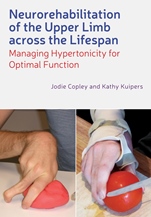
Neurorehabilitation of the Upper Limb Across the Lifespan: Managing Hypertonicity for Optimal Function
ISBN 9780470670316
Autor: Jodie Copley, Kathy Kuipers
Wydawca: Wiley
Dostępność: 3-6 tygodni
Cena: 249,90 zł
Przed złożeniem zamówienia prosimy o kontakt mailowy celem potwierdzenia ceny.
ISBN13: |
9780470670316 |
ISBN10: |
0470670312 |
Autor: |
Jodie Copley, Kathy Kuipers |
Oprawa: |
Paperback |
Rok Wydania: |
2014-06-13 |
Ilość stron: |
392 |
Wymiary: |
244x170 |
Tematy: |
MB |
Neurorehabilitation of the Upper Limb Across the Lifespan is a comprehensive guide to managing spastic hypertonia after brain injury, and the ideal reference for therapeutic interventions that optimise arm and hand function to support goal achievement. The first full overview of this area, it is an extensive clinical manual for neurological practice, a key reference for students and qualified practitioners, and a valuable resource for all occupational therapists and physiotherapists working with brain–injured clients. Covering clinical decision–making, assessment and goal–setting, strength and movement training, splinting, casting, Botulinum toxin injection and surgery, Neurorehabilitation of the Upper Limb Across the Lifespan promotes coordination of a lifelong approach to upper limb management.
Acknowledgements, ix 1. Seeing the Bigger Picture: Using Clients’ Experiences to Shape Clinical Practice, 1 1.1. Appreciating the client’s experiences, 1 1.2. Providing or assisting access to long–term services, 1 1.3. Initiating and supporting transitions from one service to the next, 3 1.4. Listening carefully and providing relevant information, 4 1.5. Collaborating on achievable goals, 5 1.6. Actively supporting and involving caregivers, 6 1.7. This book: Promoting collaborative, client–centred intervention, 7 References, 7 2. What Happens to the Upper Limb After Brain Injury?, 9 2.1. Motor control and normal movement, 9 2.2. Upper limb movement, 17 2.3. Brain injury and movement dysfunction, 19 2.4. Upper motor neuron syndrome, 20 2.5. The clinical picture: Interaction of positive and negative features, 37 2.6. Summary, 45 References, 45 3. The Hypertonicity Intervention Planning Model for Upper Limb Neurorehabilitation, 54 3.1. Decision–making in clinical practice, 54 3.2. Evidence–based practice:What it is and what it isn’t, 56 3.3. Clinical reasoning: A process of integration and differentiation, 61 3.4. The hypertonicity intervention planning model for upper limb neurorehabilitation, 65 3.5. Summary, 73 References, 73 4. Making Sense of the Clinical Picture, 80 4.1. The ICF as an assessment framework, 80 4.2. Gathering information, 81 4.3. Upper limb assessment, 87 4.4. Goal formulation, 107 4.5. Summary, 110 References, 111 4.A. Information Gathering Using a Concept Map Structure, 116 4.B. Upper Limb Performance Analysis (ULPA) Part 2: Comparative Analysis of Performance – Motor (CAP–M), 117 4.C. Upper Limb Hypertonicity Assessment Form, 119 5. Case Studies, 128 5.1. Wendy, 128 5.2. Harry, 134 5.3. Tony, 138 5.4. Summary, 144 6. Movement and Strength Training, 145 6.1. Changes in rehabilitation theory and practice, 145 6.2. Common rehabilitation approaches: Assumptions, principles and strategies, 146 6.3. A selection of contemporary techniques: Indications and considerations, 149 6.4. Summary, 176 References, 177 7. Splinting, 186 7.1. Splinting: Proposed mechanisms of effect, 186 7.2. Splinting research: A narrative review, 190 7.3. Hypertonicity intervention planning model (HIPM): Indications for splinting, 202 7.4. Splint prescription, 202 7.5. Common splint designs, 213 7.6. Adapting splint designs, 214 7.7. Commercially–produced Splints, 214 7.8. Wearing schedules, 216 7.9. Fabrication principles, 218 7.10. Summary, 223 References, 223 7.A. Common Splint Designs, Patterns and Fabrication Instructions, 230 7.B. Splint Care and Precautions, 274 7.C. Example of a Photographic Splint Programme, 275 8. Casting, 278 8.1. Casting classification, 278 8.2. Casting research: A narrative review, 282 8.3. Indications for casting, 284 8.4. Contraindications for casting, 284 8.5. Casting considerations, 290 8.6. Casting process, 294 8.7. Post–casting follow–up programme, 298 8.8. Summary, 301 References, 301 8.A. Casting Procedures, 304 8.B. Casting for Arms and Hands: Information Sheet, 316 8.C. Casting Agreement, 317 8.D. Casting Documentation Form Page 1, 318 8.D. Casting Documentation Form Page 1, 319 8.E. Precautions and Cast Care During Casting Series, 320 9. Botulinum Neurotoxin, 321 9.1. Clostridium botulinum, 321 9.2. Mechanism of effect, 323 9.3. Botulinum neurotoxin research: A narrative review, 326 9.4. Guidelines for practice, 329 9.5. Summary, 335 References, 335 10. Surgery, 339 10.1. Classification of surgical procedures, 339 10.2. Surgery: A narrative review, 340 10.3. Indications for surgical intervention, 347 10.4. Surgical consultation: Information sharing, 350 10.5. Post–surgery follow–up, 351 10.6. Summary, 352 References, 352 11. Case Studies Revisited, 355 11.1. Wendy – intervention process and outcomes, 355 11.2. Harry – intervention process and outcomes, 360 11.3. Tony – intervention process and outcomes, 362 11.4. Summary, 366 Index, 369
Jodie Copley is Senior Lecturer, Clinical Education Program Coordinator and Clinic Manager of the UQ Upper Limb Hypertonicity Clinic at the School of Health and Rehabilitation Sciences, University of Queensland, Australia. Kathy Kuipers is Co–Director of OptimiseRehab, a private occupational therapy practice providing rehabilitation services to children and adults with upper limb hypertonicity, and Lecturer in the Division of Occupational Therapy, School of Health and Rehabilitation Sciences, University of Queensland, Australia.
Koszyk
Książek w koszyku: 0 szt.
Wartość zakupów: 0,00 zł
Informacje


Kontakt
Gambit
Centrum Oprogramowania
i Szkoleń Sp. z o.o.
Al. Pokoju 29b/22-24
31-564 Kraków
Siedziba Księgarni
ul. Kordylewskiego 1
31-542 Kraków
+48 12 410 5991
+48 12 410 5987
+48 12 410 5989
Subskrypcje
Administratorem danych osobowych jest firma Gambit COiS Sp. z o.o. Na podany adres będzie wysyłany wyłącznie biuletyn informacyjny.
Autoryzacja płatności

Informacje na temat autoryzacji płatności poprzez PayU.

© Copyright 2012: GAMBIT COiS Sp. z o.o. Wszelkie prawa zastrzeżone.
Projekt i wykonanie: Alchemia Studio Reklamy