


Wydawcy
Katalog tematyczny
- Archeologia (109)
- Ekonomia, finanse, business (13704)
- Filozofia (1445)
- Historia (3040)
- Języki i językoznawstwo (2356)
- Lifestyle, hobby i rozrywka (475)
- Medycyna (9704)
- Chirurgia (272)
- Inne gałęzie medycyny (1871)
- Medycyna kliniczna (4187)
- Choroby wewnętrzne (514)
- Dermatologia (51)
- Diagnostyka medyczna (3)
- Endokrynologia (144)
- Gastroenterologia (27)
- Geriatria (50)
- Ginekologia i położnictwo (134)
- Hematologia (46)
- Hepatologia (10)
- Kardiologia (71)
- Laryngologia (12)
- Nefrologia (10)
- Neurologia (500)
- Oftalmologia (50)
- Pediatria (33)
- Pulmunologia (32)
- Reumatologia (14)
- Terapia genowa (1)
- Układ mięśniowo-szkieletowy (1)
- Urologia (14)
- Medycyna niekonwencjonalna (14)
- Medycyna przedkliniczna (269)
- Medycyna, ogólnie (1740)
- Medyczne służby pomocnicze (745)
- Studia medyczne (16)
- Weterynaria (548)
- Nauki humanistyczne (4)
- Nauki o Ziemi i środowisku (2638)
- Nauki ścisłe (20412)
- Nauki społeczne (8486)
- Nauki techniczne (13450)
- Prawo (1696)
- Publikacje informacyjne i interdyscyplinarne (1288)
- Religia i wierzenia (917)
- Technika komputerowa (4067)
- Zdrowie, relacje międzyludzkie i rozwój osobisty (657)





Informacje szczegółowe o książce
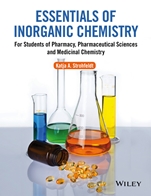
Essentials of Inorganic Chemistry: For Students of Pharmacy, Pharmaceutical Sciences and Medicinal Chemistry
ISBN 9780470665589
Autor: Katja A. Strohfeldt
Wydawca: Wiley
Dostępność: 3-6 tygodni
Cena: 283,50 zł
Przed złożeniem zamówienia prosimy o kontakt mailowy celem potwierdzenia ceny.
ISBN13: |
9780470665589 |
ISBN10: |
0470665580 |
Autor: |
Katja A. Strohfeldt |
Oprawa: |
Paperback |
Rok Wydania: |
2015-02-06 |
Ilość stron: |
286 |
Wymiary: |
247x189 |
Tematy: |
MJ |
Medicinal inorganic chemistry is an area of numerous clinical developments and has become very prominent with the discovery of platinum–based anticancer drugs. Currently used clinical applications are not only limited to platinum–based drugs, but indeed encompass a majority of elements found in the periodic table of elements. Therefore, it is crucial that professionals in a variety of healthcare settings have a basic understanding of inorganic chemistry in order to handle the relevant metal–based therapeutics in the correct manner.
Essentials of Inorganic Chemistry For Students of Pharmacy, Pharmaceutical Sciences and Medicinal Chemistry, introduces the basic principles of inorganic chemistry and the science of metal–based drugs, using pharmacy–relevant examples. Each chapter deals with a group of elements, including the relevant chemical basics, and discusses clinically used examples. Within each chapter, the main inorganic principles or definitions are highlighted in feature boxes.
Topics covered include:
Lithium based drugs their role in the treatment of bipolar disorder
Organosilicon drugs a modern alternative to traditional organic drugs
Salvarsan the origin of chemotherapy
Platinum and other transition metal–based anticancer agents
Lanthanoids and their clinical use
Radiopharmacy
Chelation therapy
Each chapter is complemented by a series of exercises and problem–based learning case studies to support self–directed studies, with additional materials available online at
www.wiley.com/go/strohfeldt/essentials
This textbook will provide students of pharmacy, pharmacology, pharmaceutical sciences, and medicinal chemistry with a detailed introduction to inorganic chemistry and the science of metal–based drugs.
Preface
About the companion website
1 Introduction
1.1 Medicinal Inorganic Chemistry 3
1.2 Basic Inorganic Principles 6
1.3 Exercise 26
1.4 References and further reading 28
2 Alkali Metals
2.1 Alkali metal ions 3
2.2 Advantages and disadvantages using lithium–based drugs 20
2.3 Sodium: An essential ion in the human body 31
2.4 Potassium and its clinical application 43
2.5 Exercises 50
2.6 Case studies 52
2.7 References and further reading 54
3 Earth Alkaline Metals
3.1 Earth alkaline metal ions 3
3.2 Beryllium and chronic beryllium disease 9
3.3 Magnesium: Competition to Lithium? 10
3.4 Calcium: The key to many human functions 14
3.5 Barium 26
3.6 Exercises 27
3.7 Case studies 28
3.8 References and further reading 30
4 The Boron Group – Group 13
4.1 General Chemistry of Group 13 elements 4
4.2 Boron 10
4.3 Aluminium 13
4.4 Gallium 24
4.5 Exercises 27
4.6 Case studies 29
4.7 References and further reading 31
5 The Carbon Group
5.1 General Chemistry of Group 14 elements 3
5.2 Silicon–based drugs versus carbon–based analogues 8
5.3 Organogermanium compounds: Balancing act between an anti–cancer drug and an herbal supplement 19
5.4 Exercises 24
5.5 Cases studies 25
5.6 References and further reading 26
6 Group 15 Elements
6.1 Chemistry of Group 15 elements 4
6.2 Phosphorus 9
6.3 Arsenic 20
6.4 Exercise 30
6.5 Case studies 31
6.6 References and further reading 33
7 Transition Metals and d–Block metal chemistry
7.1 What are d–Block metals? 3
7.2 Group 10: Platinum anti–cancer agents 17
7.3 Iron and Ruthenium 41
7.4 The Coinage Metals 61
7.5 Group 12 elements: Zinc and its role in biological systems 78
7.6 Exercises 90
7.7 Case studies 92
7.8 References and further reading 96
8 Organometallic Chemistry
8.1 What is organometallic Chemistry? 2
8.2 What are Metallocenes? 6
8.3 Ferrocene 9
8.4 Titanocenes 21
8.5 Vanadocenes 32
8.6 Exercise 41
8.7 Case study – Titanium dioxide 42
References and further reading 43
9 The clinical use of lanthanoids
9.1 Biology and toxicology of lanthanoids 3
9.2 The clinical use of lanthanum carbonate 5
9.3 The clinical application of cerium salts 8
9.4 The use of gadolinium salts as MRI contrast agent 10
9.5 Exercises 14
9.6 Case study: Lanthanum carbonate tablets 15
9.7 References and further reading 16
10 Radioactive compounds and their clinical application
10.1 What is radioactivity? 2
10.2 Radiopharmacy: Dispensing and protection 18
10.3 Therapeutic use of radiopharmaceuticals 20
10.4 Radiopharmaceuticals for imaging 27
10.5 Exercises 41
10.6 Case studies 42
10.7 References and further reading 44
11 Chelation therapy
11.1 What is heavy metal poisoning? 1
11.2 What is chelation? 4
11.3 Chelation therapy 5
11.4 Exercises 11
11.5 Case studies 12
11.6 References and further reading 15
Index
Katja A. Strohfeldt
School of Pharmacy, University of Reading, UK
Koszyk
Książek w koszyku: 0 szt.
Wartość zakupów: 0,00 zł
Informacje


Kontakt
Gambit
Centrum Oprogramowania
i Szkoleń Sp. z o.o.
Al. Pokoju 29b/22-24
31-564 Kraków
Siedziba Księgarni
ul. Kordylewskiego 1
31-542 Kraków
+48 12 410 5991
+48 12 410 5987
+48 12 410 5989
Subskrypcje
Administratorem danych osobowych jest firma Gambit COiS Sp. z o.o. Na podany adres będzie wysyłany wyłącznie biuletyn informacyjny.
Autoryzacja płatności

Informacje na temat autoryzacji płatności poprzez PayU.

© Copyright 2012: GAMBIT COiS Sp. z o.o. Wszelkie prawa zastrzeżone.
Projekt i wykonanie: Alchemia Studio Reklamy