


Wydawcy
Katalog tematyczny
- Archeologia (109)
- Ekonomia, finanse, business (13704)
- Filozofia (1445)
- Historia (3040)
- Języki i językoznawstwo (2356)
- Lifestyle, hobby i rozrywka (475)
- Medycyna (9704)
- Chirurgia (272)
- Inne gałęzie medycyny (1871)
- Medycyna kliniczna (4187)
- Choroby wewnętrzne (514)
- Dermatologia (51)
- Diagnostyka medyczna (3)
- Endokrynologia (144)
- Gastroenterologia (27)
- Geriatria (50)
- Ginekologia i położnictwo (134)
- Hematologia (46)
- Hepatologia (10)
- Kardiologia (71)
- Laryngologia (12)
- Nefrologia (10)
- Neurologia (500)
- Oftalmologia (50)
- Pediatria (33)
- Pulmunologia (32)
- Reumatologia (14)
- Terapia genowa (1)
- Układ mięśniowo-szkieletowy (1)
- Urologia (14)
- Medycyna niekonwencjonalna (14)
- Medycyna przedkliniczna (269)
- Medycyna, ogólnie (1740)
- Medyczne służby pomocnicze (745)
- Studia medyczne (16)
- Weterynaria (548)
- Nauki humanistyczne (4)
- Nauki o Ziemi i środowisku (2638)
- Nauki ścisłe (20412)
- Nauki społeczne (8486)
- Nauki techniczne (13450)
- Prawo (1696)
- Publikacje informacyjne i interdyscyplinarne (1288)
- Religia i wierzenia (917)
- Technika komputerowa (4067)
- Zdrowie, relacje międzyludzkie i rozwój osobisty (657)





Informacje szczegółowe o książce
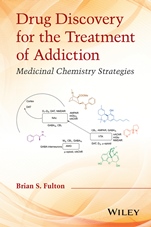
Drug Discovery for the Treatment of Addiction: Medicinal Chemistry Strategies
ISBN 9780470614167
Autor: Brian S. Fulton
Wydawca: Wiley
Dostępność: 3-6 tygodni
Cena: 552,30 zł
Przed złożeniem zamówienia prosimy o kontakt mailowy celem potwierdzenia ceny.
ISBN13: |
9780470614167 |
ISBN10: |
0470614161 |
Autor: |
Brian S. Fulton |
Oprawa: |
Hardback |
Rok Wydania: |
2014-10-24 |
Ilość stron: |
358 |
Wymiary: |
244x163 |
Tematy: |
MJ |
Reveals the prominent role of medicinal chemistry in treating addiction With addiction a key target for drug discovery efforts, this book fills an important and timely need for medicinal chemists who need to understand complex neuroscience issues. The author illustrates medicinal chemistry′s prominent role in treating addiction and covers specific drugs of abuse including narcotics, stimulants, depressants, nicotine, and marijuana. Divided into two broad sections, the book first deals with general aspects of addiction, neuropharmacology, behavioural pharmacology, and drug development; and then delves more deeply into medication development. The book: Interprets complex neuro– biological and pharmacological information, like the drug–reward system, for medicinal chemists Emphasizes neurotransmitters and neurochemical mechanisms of addictive drugs Pulls together information on the many potential drug targets for treating addiction Stresses unique medicinal chemistry problems when describing pharmacology testing methods and drug development A fascinating field of research with very real therapeutic outcomes, addiction deserves the attention of medicinal chemists. The author reduces this complex subject to where it is understandable to non–specialists and helps foster the kind of close working relationship between chemists and behavioural pharmacologists that is critical to effective drug development.
Table of Contents Chapter 1 What is drug addiction? 1.1 Definitions 1.2 The Drugs of Abuse 1.3 Schedule of Controlled Substances 1.4 Some Facts from 2012 NSDUH Study 1.5 The Addictive State 1.6 Theories of Addiction 1.7 Comorbidity 1.8 Genetic Aspects of Addiction 1.9 Approved Medications for the Treatment of Substance Abuse and Addiction Chapter 2 Physiological Basis of Addiction – A Chemist’s Interpretation 2.1 The Reward System 2.2 Neuroanatomy of the Reward System 2.3 Brief Review of the Central Nervous System and Addiction 2.4 Neurotransmitters and Their Targets 2.5 Neurocircuitry and Neurotransmitters in Addiction 2.6 Location of Receptors 2.7 An Example 2.8 Use of Biological Markers 2.9 Memories and Addiction 2.10 Stress: The HPA–Axis and Addiction Chapter 3 Behavioral Pharmacology and Addiction 3.1 Animal Models of Addiction 3.2 Self–administration (SA) 3.3 Conditioned Place Preference 3.4 Tolerance 3.5 Extinction/Withdrawal 3.6 Reinstatement (animal models of relapse) 3.7 Drug Discrimination 3.8 Operant Sensation Seeking Model 3.9 Use of Animal Behavioral Models Chapter 4 Medication Development for the Treatment of Drug Addiction 4.1 Lead Discovery 4.2 Pharmacological Assays 4.3 Partial Agonist Approach 4.4 Allosteric Modulators 4.5 Functional Interactions between Receptors 4.6 Multitarget Drugs 4.7 Physiochemical Properties of CNS Drugs and Blood–Brain Barrier 4.8 Brain Imaging Agents 4.9 QT Prolongation Chapter 5 Medication Development for Narcotic Addiction 5.1 Pharmacology of Narcotic Addiction and Pain 5.2 Prescription Drug Addiction 5.3 Approved Medications 5.4 Current Medication Research Chapter 6 Medication Development for Stimulant Addiction 6.1 Pharmacology of Cocaine Addiction 6.2 Pharmacology of Methamphetamine Addiction 6.3 Medication Research Chapter 7 Medication Development for Depressant Addiction 7.1 Pharmacology of Alcohol Addiction 7.2 Approved Medications 7.3 Medication Research 7.4 Benzodiazepines 7.5 Barbituates Chapter 8 Medication Development for Nicotine Addiction 8.1 Pharmacology of Nicotine Addiction 8.2 Approved Medication 8.3 Medication Development Chapter 9 Medication Development for Marijuana Addiction 9.1 Pharmacology of Marijuana Addiction 9.2 CB1 Antagonist Rimonabant 9.3 Medication Development Chapter 10 Designer Drugs 10.1 Cathinone drugs 10.2 MDMA – Ectasy 10.3 Cannabinoid Designer Drugs Conclusion Appendix 1 Further reading for chemists interested in a more detailed understanding of addiction and the central nervous system Appendix 2 Public databases and sources of information of interest to medicinal chemistry addiction researchers Appendix 3 Glossary of terms used in addiction research Appendix 4 Glossary of Terms used in Medicinal Chemistry References Index
Brian S. Fulton is a Visiting Lecturer in the Department of Chemistry and Chemical Biology at Northeastern University and has taught courses in organic chemistry, spectroscopy, and pharmaceutical sciences and has taught a one–semester course, Medicinal Chemistry of Psychiatric Drugs, at Harvard University Extension School. From 1987 – 2005, Dr. Fulton worked as an industrial organic chemist in the US and Europe. He obtained his B.S. in Chemistry at Missouri State University and his Ph.D. in Organic Chemistry at Iowa State University. He has written 17 peer–reviewed publications and given 8 presentations at scientific meetings.
Koszyk
Książek w koszyku: 0 szt.
Wartość zakupów: 0,00 zł
Informacje


Kontakt
Gambit
Centrum Oprogramowania
i Szkoleń Sp. z o.o.
Al. Pokoju 29b/22-24
31-564 Kraków
Siedziba Księgarni
ul. Kordylewskiego 1
31-542 Kraków
+48 12 410 5991
+48 12 410 5987
+48 12 410 5989
Subskrypcje
Administratorem danych osobowych jest firma Gambit COiS Sp. z o.o. Na podany adres będzie wysyłany wyłącznie biuletyn informacyjny.
Autoryzacja płatności

Informacje na temat autoryzacji płatności poprzez PayU.

© Copyright 2012: GAMBIT COiS Sp. z o.o. Wszelkie prawa zastrzeżone.
Projekt i wykonanie: Alchemia Studio Reklamy