


Wydawcy
Katalog tematyczny
- Archeologia (109)
- Ekonomia, finanse, business (13704)
- Filozofia (1445)
- Historia (3040)
- Języki i językoznawstwo (2356)
- Lifestyle, hobby i rozrywka (475)
- Medycyna (9704)
- Nauki humanistyczne (4)
- Nauki o Ziemi i środowisku (2638)
- Nauki ścisłe (20412)
- Nauki społeczne (8486)
- Nauki techniczne (13450)
- Budownictwo lądowe (1045)
- Chemia przemysłowa (2258)
- Elektronika i telekomunikacja (3287)
- Energetyka (1122)
- Inne nauki stosowane (363)
- Inżynieria biochemiczna (507)
- Inżynieria transportu (232)
- Mechanika i materiały (3316)
- Nauka o środowisku (321)
- Rolnictwo (507)
- Technika, ogólnie (475)
- Prawo (1696)
- Publikacje informacyjne i interdyscyplinarne (1288)
- Religia i wierzenia (917)
- Technika komputerowa (4067)
- Zdrowie, relacje międzyludzkie i rozwój osobisty (657)





Informacje szczegółowe o książce
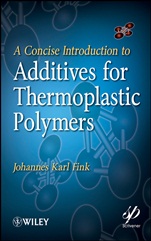
A Concise Introduction to Additives for Thermoplastic Polymers
ISBN 9780470609552
Autor: Johannes Karl Fink
Wydawca: Wiley
Dostępność: 3-6 tygodni
Cena: 822,15 zł
Przed złożeniem zamówienia prosimy o kontakt mailowy celem potwierdzenia ceny.
ISBN13: |
9780470609552 |
ISBN10: |
0470609559 |
Autor: |
Johannes Karl Fink |
Oprawa: |
Hardback |
Rok Wydania: |
2010-01-26 |
Ilość stron: |
282 |
Wymiary: |
235x164 |
Tematy: |
TD |
Describes twenty–one of the most important and commonly used additives
A Concise Introduction to Additives for Thermoplastic Polymers focuses on additives for thermoplastic polymers and describes 21 of the most important and commonly used additives from Plasticizers and Fillers to Optical Brighteners and Anti–Microbial additives. It also includes chapters on safety and hazards, and prediction of service time models.
While there are many exhaustive and complex books dealing with additives for polymers, the size of them deter students and many industry engineers from using them. The purpose of this book, therefore, is to fill this void and present a concise introduction to this important subject.
Written in an accessible and practical style, the author introduces the reader to the complex subject of plastics additives in an engaging manner. His ability to be concise is the result of his teaching courses on the subject and using his own lecture notes for material. This book comprises the author′s course notes so that a larger public can benefit from his knowledge.
A Concise Introduction to Additives for Thermoplastic Polymers is the ideal primer for students who will later work in polymer science or the development of plastics formulation, as well as industry engineers and specialists who want to have a deeper knowledge of the plastics industry.
Spis treści:
1 Introduction.
1.1 Classification.
References.
2 Plasticizers.
2.1 Principle of Action.
2.2 Principle of Selection.
2.3 Characterization.
2.4 Risks and Drawbacks.
2.5 Classes of Plasticizers.
2.6 Specific Examples of Application.
References.
3 Fillers.
3.1 Surface Modification.
3.2 Special Applications.
References.
4 Colorants.
4.1 Physics Behind a Color.
4.2 Color Index.
4.3 Test Standards.
4.4 Pigments.
4.5 Organic Colorants.
References.
5 Opti
cal Brighteners.
5.1 Basic Principles.
5.2 Measurement.
5.3 Inorganic Brighteners.
5.4 Organic Optical Brighteners.
References.
6 Antimicrobial Additives.
6.1 Modes of Action.
6.2 Plasticizers.
6.3 Special Formulations.
References.
7 Flame Retardants.
7.1 Mechanisms of Flame Retardants.
7.2 Smoke Suppressants.
7.3 Admixed Additives.
7.4 Bonded Additives.
References.
8 Lubricants.
8.1 Principle of Action.
8.2 Methods of Incorporation.
8.3 Types of Lubricants.
8.4 Special Applications.
References.
9 Antistatic Additives.
9.1 Types of Additives.
9.2 Areas of Application.
9.3 Additives in Detail.
References.
10 Slip Agents.
10.1 Basic Principles of Action.
10.2 Compounds.
10.3 Special Formulations.
References.
11 Surface Improvers.
11.1 Additives.
References.
12 Nucleating Agents.
12.1 Crystalline Polymers.
12.2 Experimental Methods.
12.3 Classes of Nucleating Agents.
12.4 Crystallization Accelerators.
12.5 Clarifying Agents.
References.
13 Antifogging Additives.
13.1 Field of Use.
13.2 Principles of Action.
13.3 Conventional Compounds.
13.4 Compounds for Grafting.
References.
14 Antiblocking Additives.
14.1 Examples of Uses.
References.
15 Hydrolysis.
15.1 Hydrolytic Degradation.
15.2 Polymers.
References.
16 Dehydrochlorination Stabilizers.
16.1 Dehydrochlorination of PVC.
16.2 Stabilizers.
16.2.1Alkyl Tin Compounds.
References.
17 Acid Scavengers.
17.1 Acid Scavenging.
17.2 Examples of Formulation.
References.
18 Metal Deactivators.
18.1 Action of Metals in Polymers.
18.2 Usage.
18.3 Examples of Metal Deactivators.
References.
19 Oxidative Degradation.
19.1 Autoxidation.
19.2 Inhibition of Autoxidation.
References.
20 Degradation by Light.20.1 Photolysis.
20.2 Photooxdation.
20.3 UV Stabilizers.
References.
21 Blowing Agents.
21.1 Blowing Agents.
21.2 Ozone Depletion Potential.
21.3 Test Methods.
21.4 Special Applications.
References.
22 Compatibilizers.
22.1 Estimation of Compatibility.
22.2 Compatibilizers.
22.3 Special Examples.
References.
23 Prediction of Service Time.
23.1 Accelerated Aging.
23.2 Theory of Critical Distances.
23.3 Monte Carlo Methods.
23.4 Issues in Matrix Composites.
References.
24 Safety and Hazards.
24.1 Plasticizers.
24.2 Flame Retardants.
24.3 Antifogging Agents.
24.4 Other.
References.
Index.
Acronyms.
Chemicals.
General Index.
Nota biograficzna:
JOHANNES KARL FINK is Professor of Macromolecular Chemistry at Montanuniversität, Loebem Austria. His career spans more than 30 years in the fields of polymers, including characterization, flame retardancy, and pyrolysis of polymers.
Okładka tylna:
Describes twenty–one of the most important and commonly used additives
A Concise Introduction to Additives for Thermoplastic Polymers focuses on additives for thermoplastic polymers and describes 21 of the most important and commonly used additives from Plasticizers and Fillers to Optical Brighteners and Anti–Microbial additives. It also includes chapters on safety and hazards, and prediction of service time models.
While there are many exhaustive and complex books dealing with additives for polymers, the size of them deter students and many industry engineers from using them. The purpose of this book, therefore, is to fill this void and present a concise introduction to this important subject.
Written in an accessible and practical style, the author introduces the reader to the complex subject of plastics additives in an engaging manner. His ability to be concise is the result of h
is teaching courses on the subject and using his own lecture notes for material. This book comprises the author′s course notes so that a larger public can benefit from his knowledge.
A Concise Introduction to Additives for Thermoplastic Polymers is the ideal primer for students who will later work in polymer science or the development of plastics formulation, as well as industry engineers and specialists who want to have a deeper knowledge of the plastics industry.
Koszyk
Książek w koszyku: 0 szt.
Wartość zakupów: 0,00 zł
Informacje


Kontakt
Gambit
Centrum Oprogramowania
i Szkoleń Sp. z o.o.
Al. Pokoju 29b/22-24
31-564 Kraków
Siedziba Księgarni
ul. Kordylewskiego 1
31-542 Kraków
+48 12 410 5991
+48 12 410 5987
+48 12 410 5989
Subskrypcje
Administratorem danych osobowych jest firma Gambit COiS Sp. z o.o. Na podany adres będzie wysyłany wyłącznie biuletyn informacyjny.
Autoryzacja płatności

Informacje na temat autoryzacji płatności poprzez PayU.

© Copyright 2012: GAMBIT COiS Sp. z o.o. Wszelkie prawa zastrzeżone.
Projekt i wykonanie: Alchemia Studio Reklamy