


Wydawcy
Katalog tematyczny
- Archeologia (109)
- Ekonomia, finanse, business (13704)
- Filozofia (1445)
- Historia (3040)
- Języki i językoznawstwo (2356)
- Lifestyle, hobby i rozrywka (475)
- Medycyna (9704)
- Nauki humanistyczne (4)
- Nauki o Ziemi i środowisku (2638)
- Nauki ścisłe (20412)
- Nauki społeczne (8486)
- Edukacja (229)
- Kryminologia, opieka spełeczna (284)
- Obronność (10)
- Polityka (1389)
- Psychologia (777)
- Socjologia (410)
- Społeczeństwo i kultura (187)
- Nauki techniczne (13450)
- Prawo (1696)
- Publikacje informacyjne i interdyscyplinarne (1288)
- Religia i wierzenia (917)
- Technika komputerowa (4067)
- Zdrowie, relacje międzyludzkie i rozwój osobisty (657)





Informacje szczegółowe o książce
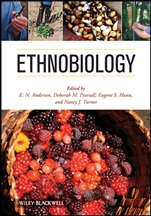
Ethnobiology
ISBN 9780470547854
Autor: E. N. Anderson, Deborah Pearsall, Eugene Hunn, Nancy Turner
Wydawca: Wiley
Dostępność: 3-6 tygodni
Cena: 487,20 zł
Przed złożeniem zamówienia prosimy o kontakt mailowy celem potwierdzenia ceny.
ISBN13: |
9780470547854 |
ISBN10: |
0470547855 |
Autor: |
E. N. Anderson, Deborah Pearsall, Eugene Hunn, Nancy Turner |
Oprawa: |
Paperback |
Rok Wydania: |
2011-08-26 |
Ilość stron: |
412 |
Wymiary: |
256x179 |
Tematy: |
JB |
The single comprehensive treatment of the field, from the leading members of the Society of Ethnobiology
The field of ethnobiology—the study of relationships between particular ethnic groups and their native plants and animals—has grown very rapidly in recent years, spawning numerous subfields. Ethnobiological research has produced a wide range of medicines, natural products, and new crops, as well as striking insights into human cognition, language, and environmental management behavior from prehistory to the present.
This is the single authoritative source on ethnobiology, covering all aspects of the field as it is currently defined. Featuring contributions from experienced scholars and sanctioned by the Society of Ethnobiology, this concise, readable volume provides extensive coverage of ethical issues and practices as well as archaeological, ethnological, and linguistic approaches.
Emphasizing basic principles and methodology, this unique textbook offers a balanced treatment of all the major subfields within ethnobiology, allowing students to begin guided research in any related area—from archaeoethnozoology to ethnomycology to agroecology. Each chapter includes a basic introduction to each topic, is written by a leading specialist in the specific area addressed, and comes with a full bibliography citing major works in the area. All chapters cover recent research, and many are new in approach; most chapters present unpublished or very recently published new research. Featured are clear, distinctive treatments of areas such as ethnozoology, linguistic ethnobiology, traditional education, ethnoecology, and indigenous perspectives. Methodology and ethical action are also covered up to current practice.
Ethnobiology is a specialized textbook for advanced undergraduates and graduate students; it is suitable for advanced–level ethnobotany, ethnobiology, cultural and political ecology, and archaeologically related courses. Researc
h institutes will also find this work valuable, as will any reader with an interest in ethnobiological fields.
Spis treści:
List of Contributors vii
Acknowledgments ix
1. Ethnobiology: Overview of a Growing Field 1
2. History of Ethnobiology 15
3. Ethics in Ethnobiology: History, International Law and Policy, and Contemporary Issues 27
4. From Researcher to Partner: Ethical Challenges and Issues Facing the Ethnobiological Researcher 51
5. The World According to Is’a: Combining Empiricism and Spiritual Understanding in Indigenous Ways of Knowing 65
6. Ethnozoology 83
7. Ethnobiology, Historical Ecology, the Archaeofaunal Record, and Interpreting Human Landscapes 97
8. Ethnobiology as a Bridge between Science and Ethics: An Applied Paleozoological Perspective 115
9. Ethnobotany: The Study of People–Plant Relationships 133
10. Reconstructing Past Life–Ways with Plants I: Subsistence and Other Daily Needs 149
11. Reconstructing Past Life–Ways with Plants II: Human–Environment and Human–Human Interactions 173
12. History and Current Trends of Ethnobiological Research in Europe 189
13. Ethnomycology: Fungi and Mushrooms in Cultural Entanglements 213
14. Ethnoecological Approaches to Integrating Theory and Method in Ethnomedical Research 231
15. Assessments of Indigenous Peoples’ Traditional Food and Nutrition Systems 249
16. Ethnoecology and Landscapes 267
17. Traditional Resource and Environmental Management 285
18. Ethnobiology and Agroecology 305
19. Linguistic Ethnobiology 319
20. Cognitive Studies in Ethnobiology: What Can We Learn About the Mind as Well as Human Environmental Interaction? 335
21. The Symbolic Uses of Plants 351
22. Learning Ethnobiology: Creating Knowledge and Skills about the Living World 371
Index 389
Okładka tylna:
The single comprehensive treatment of the field, from the leading member
s of the Society of Ethnobiology
The field of ethnobiology—the study of relationships between particular ethnic groups and their native plants and animals—has grown very rapidly in recent years, spawning numerous subfields. Ethnobiological research has produced a wide range of medicines, natural products, and new crops, as well as striking insights into human cognition, language, and environmental management behavior from prehistory to the present.
This is the single authoritative source on ethnobiology, covering all aspects of the field as it is currently defined. Featuring contributions from experienced scholars and sanctioned by the Society of Ethnobiology, this concise, readable volume provides extensive coverage of ethical issues and practices as well as archaeological, ethnological, and linguistic approaches.
Emphasizing basic principles and methodology, this unique textbook offers a balanced treatment of all the major subfields within ethnobiology, allowing students to begin guided research in any related area—from archaeoethnozoology to ethnomycology to agroecology. Each chapter includes a basic introduction to each topic, is written by a leading specialist in the specific area addressed, and comes with a full bibliography citing major works in the area. All chapters cover recent research, and many are new in approach; most chapters present unpublished or very recently published new research. Featured are clear, distinctive treatments of areas such as ethnozoology, linguistic ethnobiology, traditional education, ethnoecology, and indigenous perspectives. Methodology and ethical action are also covered up to current practice.
Ethnobiology is a specialized textbook for advanced undergraduates and graduate students; it is suitable for advanced–level ethnobotany, ethnobiology, cultural and political ecology, and archaeologically related courses. Research institutes will also find this work valuable, as will any reader with an i
nterest in ethnobiological fields.
Koszyk
Książek w koszyku: 0 szt.
Wartość zakupów: 0,00 zł
Informacje


Kontakt
Gambit
Centrum Oprogramowania
i Szkoleń Sp. z o.o.
Al. Pokoju 29b/22-24
31-564 Kraków
Siedziba Księgarni
ul. Kordylewskiego 1
31-542 Kraków
+48 12 410 5991
+48 12 410 5987
+48 12 410 5989
Subskrypcje
Administratorem danych osobowych jest firma Gambit COiS Sp. z o.o. Na podany adres będzie wysyłany wyłącznie biuletyn informacyjny.
Autoryzacja płatności

Informacje na temat autoryzacji płatności poprzez PayU.

© Copyright 2012: GAMBIT COiS Sp. z o.o. Wszelkie prawa zastrzeżone.
Projekt i wykonanie: Alchemia Studio Reklamy